
Small-format stores with no machine room and no site pipework — where self-contained cabinets have quietly replaced central plant, and the heat they reject becomes the shop’s problem.
- 772products across this application
- 307verified manufacturers
- 5equipment groups
WhatPlug-in rather than piped
A convenience store carries the same temperature regimes as a supermarket — chilled display, frozen, a small back-room cold store and often ice — in a fraction of the floor area. What has changed is the architecture: self-contained cabinets with their own compressor and condenser now dominate, because there is neither space for a machine room nor programme time for field pipework.
WhoWho buys it
Convenience and forecourt chains, franchise operators, independent grocers, and the shopfitting contractors who deliver stores on a two-week programme.
WhyWhy the rejected heat matters here
A self-contained cabinet rejects its condenser heat into the sales floor. One cabinet is trivial; eight of them in a small shop is a continuous heat load that the air conditioning then has to remove — paying twice for the same energy. In a small-format store this is a genuine design consideration rather than a footnote, and it is why some operators still duct condenser heat outside or revert to remote packs above a certain cabinet count.
HowChoosing the architecture deliberately
Count the cabinets and estimate the total heat rejected to the sales floor before defaulting to plug-in. Below roughly half a dozen units, plug-in almost always wins on installation cost and speed. Above that, compare against a remote pack or ducted condensers, including the air conditioning energy needed to remove the rejected heat. Whichever way it goes, specify R290 for the self-contained units: it is efficient, very low GWP, and the charge limits that constrain it elsewhere are not a problem at this size.
Equipment this application needs
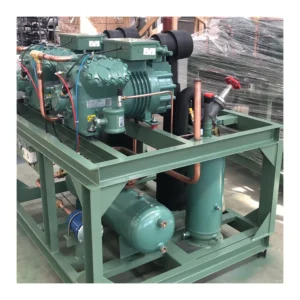 Compact & remote packs
Condensing Units429
Small remote packs where cabinet count makes plug-in heat rejection uneconomic.
Compact & remote packs
Condensing Units429
Small remote packs where cabinet count makes plug-in heat rejection uneconomic.
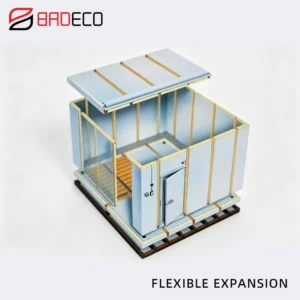 Back-room storage
Cold Room Storage74
A single small chilled and frozen room buffering deliveries behind the shop.
Back-room storage
Cold Room Storage74
A single small chilled and frozen room buffering deliveries behind the shop.
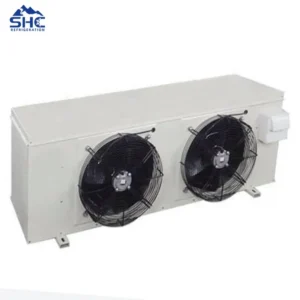 Room coils
Evaporators74
Unit coolers for the back-room store, sized for frequent door openings.
Room coils
Evaporators74
Unit coolers for the back-room store, sized for frequent door openings.
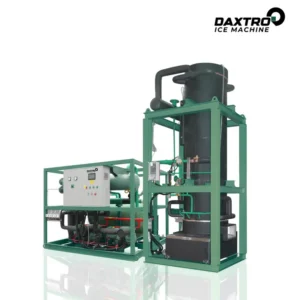 Ice & beverage
Ice Machines75
Compact production sized for a small footprint and modest daily demand.
Ice & beverage
Ice Machines75
Compact production sized for a small footprint and modest daily demand.
 Controls & spares
Refrigeration & Heat Exchange Parts120
Controllers and case parts — a chain lives on spares availability across its estate.
Controls & spares
Refrigeration & Heat Exchange Parts120
Controllers and case parts — a chain lives on spares availability across its estate.
What to check before you order
- R290 Refrigerant 130
- The default for new self-contained cabinets: efficient, GWP around 3, charge-limited by design.
- Energy Saving 1,205
- Refrigeration dominates a small store’s electricity bill just as it does a supermarket’s.
- Low Noise 654
- Cabinets sit metres from customers and staff in a small space.
- DC Inverter 359
- Variable-speed compressors follow the real load instead of cycling against it.
- Stainless Steel 2,070
- Food-contact and cleanable surfaces.
Products for this application
-
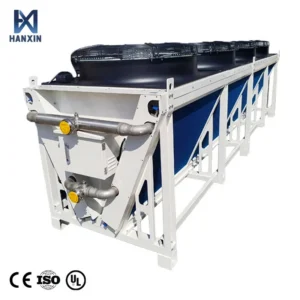
Dry Cooler, Axial, R410A
$4,100.00- 220 V
- R407C
-
- 100V-230V
- Capacity <6000
- Power Source Electric
-
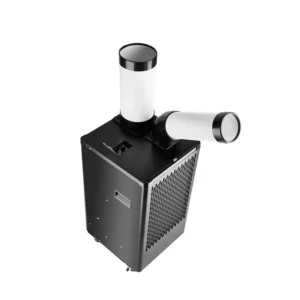
- AC 220-240V 50Hz
- 2.7KW/9200BTU/h
- R290
-
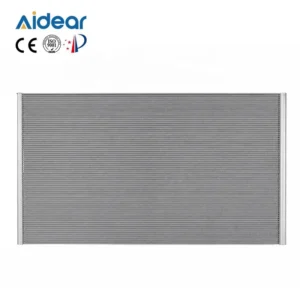
- 220V-460V
- Material Aluminium
-
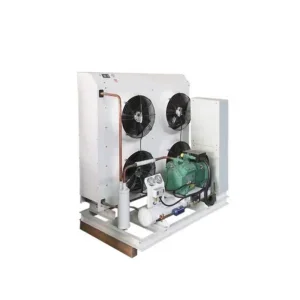
- R-290
-
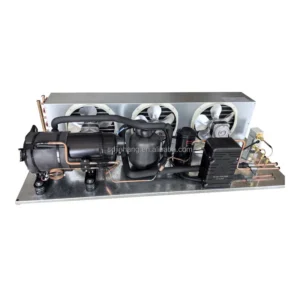
Cooling Freezer, R290, CUUF
$215.00- Size standard
- R290
-
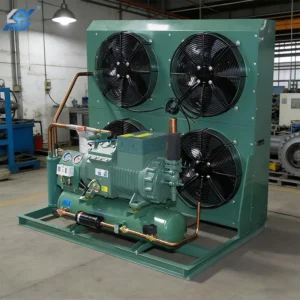
Condensing Unit, 110 V, 10-10000
$141.00- 110 V
- 10-10000 BTU
- R-404A
-
- 220V-460V
- Material Aluminium
-
- 220V/380V/50Hz
- 3.40KW(4.56hp)
- R-404A
-
- 110 V
- -45~25 degree
- R-404A
-
Scroll Compressor, R404a, 7hp
$1,600.00- 220V/380V
- 2-6HP
- R404
-
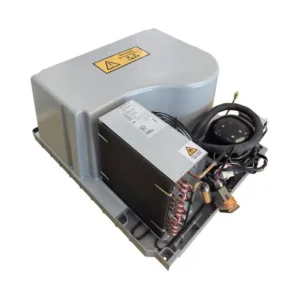
Condensing Unit, R290, CUUF
$215.00- 615*690*315mm
- R290
Questions buyers ask
How many plug-in cabinets is too many for one shop?
Why is R290 standard in convenience retail?
Does a convenience store still need a back-room cold room?
Related applications
Tell us about your convenience store refrigeration project
Send the duty and site conditions and we will come back with matched equipment, price and lead time from the manufacturers listed here — usually within one working day.