
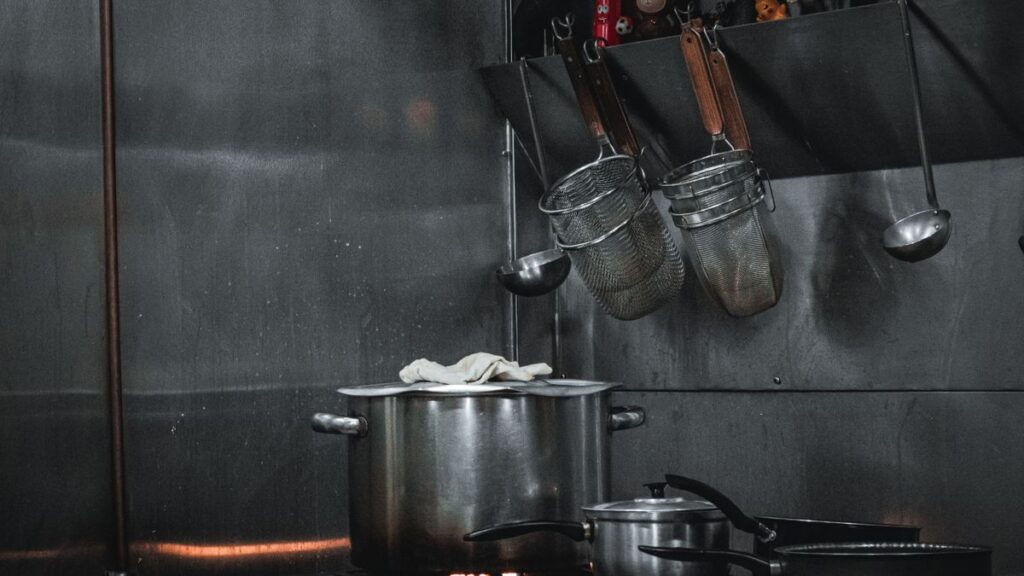
Hood exhaust, make-up air, heat recovery and the cold side of a professional kitchen — specified as one balanced system rather than a list of parts.
- 20,586products across this application
- 2,555verified manufacturers
- 6equipment groups
WhatVentilation and refrigeration as one system
A commercial kitchen ventilation system is a balance, not a fan. Extract hoods remove grease-laden vapour and the very large sensible heat load of cooking equipment; a matched make-up air system replaces what leaves. Alongside it sits the cold side — undercounter and walk-in refrigeration, and ice production. Getting either half right while ignoring the other is the single most common failure in this scenario.
WhoWho specifies a kitchen
Restaurant and QSR chains, hotel food-and-beverage departments, central production kitchens and cloud-kitchen operators, contract caterers, plus the catering equipment dealers and kitchen design consultancies who specify on their behalf. Chains buy in repeat lots to a fixed specification; independents buy once and buy on price.
WhereWhy urban sites make this hard
Overwhelmingly dense urban sites, which is what makes this scenario technically hard. Discharge points are constrained by neighbours and planning rules, ducts run long vertical shafts with several bends, and the resulting system static pressure is far higher than the free-air figures on a fan datasheet.
WhenFit-out programmes and remedial work
At fit-out, on a compressed programme where the kitchen is the last trade in and the opening date is fixed. The second wave is remedial: after a failed environmental health or fire inspection, or after a grease fire, when replacement is urgent and the specification is dictated by the inspector.
WhyWhat happens when the air balance is wrong
If exhaust is not matched by make-up air the kitchen goes into negative pressure. The visible symptoms are doors that are hard to open and slam shut, gas burners that misfire or lift, and — the one that costs a restaurant customers — hood capture failing so that heat and cooking smoke spill into the dining room. Separately, the fan itself lives in roughly 60–90 °C grease-laden air, which is why kitchen exhaust fans and their bearings fail far earlier than the same fan would in a clean duct.
HowSizing hoods, fans and make-up air
Calculate hood exhaust from the hood type, its length and the duty of the appliances beneath it. Then size the fan against the actual system resistance — long duct runs plus grease filters mean high static pressure, which is a job for a backward-curved centrifugal fan, not an axial. Provide make-up air at 80–90% of the exhaust volume so the space stays very slightly negative relative to the dining room but not to the outside. Finally, specify motors and bearings rated for continuous high-temperature duty, and design for cleaning access from day one.
Equipment this application needs
 Hood exhaust
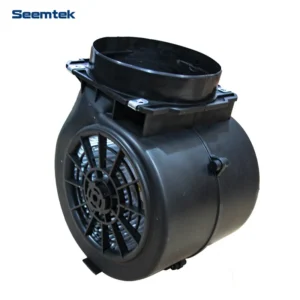
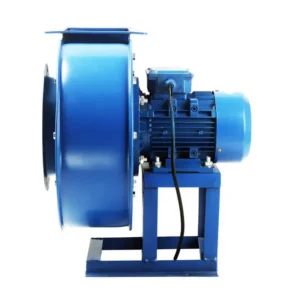
Centrifugal Fans11,344
Backward-curved impellers hold their airflow against the high static pressure of a real grease duct.
Hood exhaust
Centrifugal Fans11,344
Backward-curved impellers hold their airflow against the high static pressure of a real grease duct.
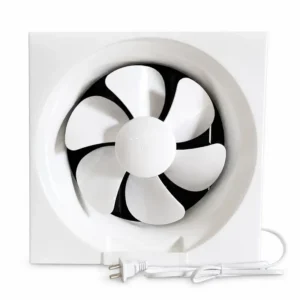 General extract
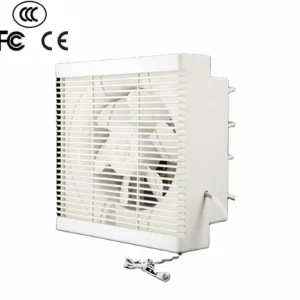
Exhaust Fans1,012
Dishwash, prep and store areas that need dilution ventilation rather than hood capture.
General extract
Exhaust Fans1,012
Dishwash, prep and store areas that need dilution ventilation rather than hood capture.
 Make-up air supply
Axial Flow Fans6,332
High volume at low resistance — the right tool for replacing the air the hoods remove.
Make-up air supply
Axial Flow Fans6,332
High volume at low resistance — the right tool for replacing the air the hoods remove.
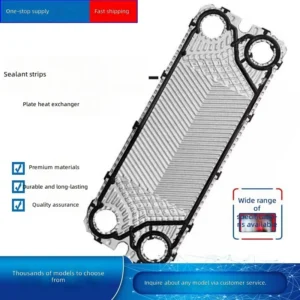 Heat recovery
Heat Exchangers364
Recovers heat from the exhaust stream to temper incoming make-up air, which is where the operating cost of a kitchen ventilation system is won or lost.
Heat recovery
Heat Exchangers364
Recovers heat from the exhaust stream to temper incoming make-up air, which is where the operating cost of a kitchen ventilation system is won or lost.
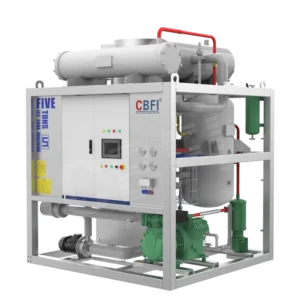 Ice production
Ice Machines709
Sized on peak service demand, not on daily average — and de-rated for the ambient temperature of an actual kitchen.
Ice production
Ice Machines709
Sized on peak service demand, not on daily average — and de-rated for the ambient temperature of an actual kitchen.
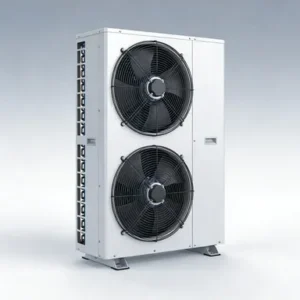 Walk-in refrigeration
Condensing Units825
Remote packs for cold and freezer rooms, sited away from the kitchen heat.
Walk-in refrigeration
Condensing Units825
Remote packs for cold and freezer rooms, sited away from the kitchen heat.
What to check before you order
- High Temperature 2,144
- Motors and bearings rated for continuous operation in hot exhaust air.
- Stainless Steel 12,508
- Grade 304 minimum for anything in the grease stream — it has to survive repeated degreasing.
- Low Noise 4,912
- Critical where the discharge or the plant room adjoins a dining area or a residential neighbour.
- Variable Speed 2,411
- Lets extract volume follow the cooking line rather than running flat out all service.
- 380V 15,604
- Three-phase supply for larger hood fans and refrigeration packs.
Products for this application
-

- 220 V
- Stainless Steel
- 43 dB
-

- 220V/380V
- Stainless Steel
- 1400-2000rpm
-

- Blade Material FRP
-
- 230v
- Power Source Electric
- Material Plastic
-
- 110 V
- Power Source Electric
- Blade Material Plastic
-

- 950 m³/h
- 1900 rpm
-

- AC 220V~240V
- Blade Material Plastic
- 1650rpm
-
- 220 V
- 220v 750w
- Galvanized sheet
-
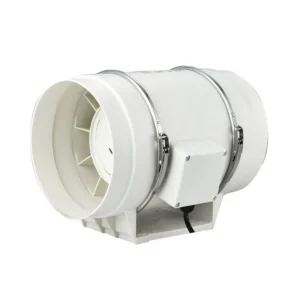
- 220V-240V
- 4" to 12"
- Power Source Electric
-

- 24 V
- Power Source Solar
- Blade Material Plastic
-

- 220 V
- 220v 750w
- Galvanized sheet
-
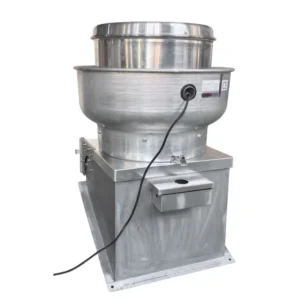
- Power Source Electric
- Aluminum Alloy
- 1400RPM/1720RPM
Questions buyers ask
How much make-up air does a commercial kitchen need?
Why do kitchen exhaust fans fail so much sooner than other fans?
Axial or centrifugal fan for a kitchen hood?
Specific setups within this application
Related applications
Tell us about your commercial kitchen ventilation & refrigeration project
Send the duty and site conditions and we will come back with matched equipment, price and lead time from the manufacturers listed here — usually within one working day.