
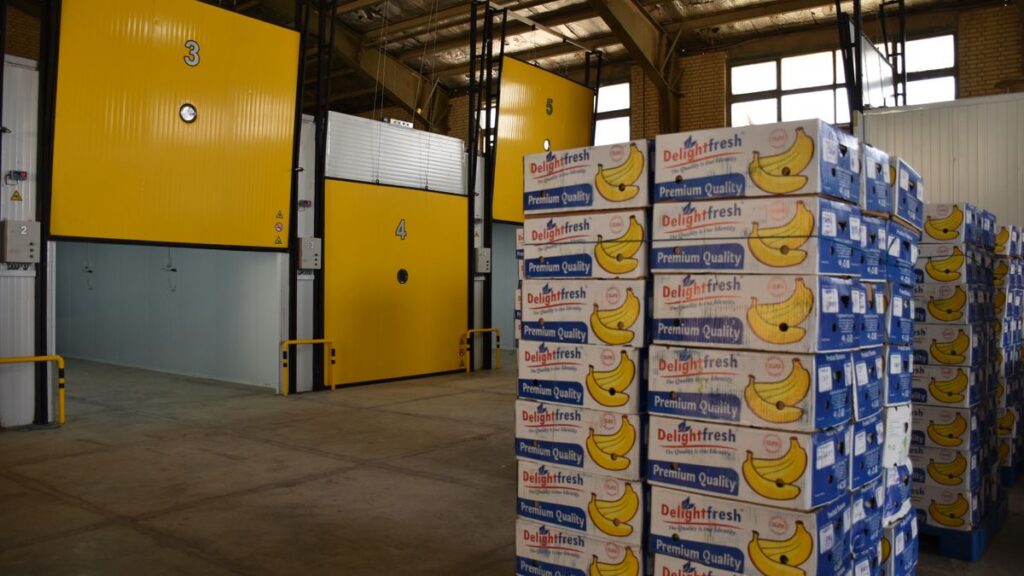
Everything that goes inside and outside an insulated room held between +4 °C and −25 °C — panels, condensing packs, unit coolers, controls and spares — from 1,198 verified manufacturers.
- 4,274products across this application
- 1,198verified manufacturers
- 6equipment groups
WhatWhat a cold store has to hold
A cold store is an insulated envelope — normally PU or PIR sandwich panel — held at a fixed temperature by a condensing unit outside and unit coolers inside. Chilled rooms sit at 0 to +4 °C, frozen rooms at −18 to −25 °C, and blast or hardening rooms go to −35 °C or below. The room is defined by its heat load, not by its floor area: two rooms of identical size serving fresh produce and frozen fish need completely different equipment.
WhoWho is buying cold room equipment
Third-party cold-chain and 3PL operators, food processors, meat and fishery plants, dairy, pharmaceutical and vaccine distributors, agricultural cooperatives, and the refrigeration contractors who build turnkey rooms for them. A large share of enquiries is replacement rather than new build — an installer with a failed pack and a room full of product.
WhereSite conditions that change the specification
Port cities and inland distribution hubs worldwide, with the fastest growth in Southeast Asia, the Middle East, Africa and Latin America. Two site conditions dominate specification in those markets: 380 V / 50 Hz three-phase supply (15,604 products listed), and design ambient temperatures of 38–45 °C. A condensing unit rated at 32 °C ambient loses a significant part of its capacity at 43 °C, so nominal capacity figures have to be re-read against the local design condition before anything is ordered.
WhenNew build versus emergency replacement
Two distinct moments. New-build projects specify at design stage and buy the whole kit together, on a schedule measured in months. Replacement buying is the opposite: condensing packs typically run 8–12 years, and when one fails the room starts losing temperature within hours, so lead time and stock availability outrank price entirely.
WhyWhat sizing errors actually cost
Cold storage is the one HVACR application where a failure destroys inventory worth many times the equipment. Beyond outright failure, two sizing errors quietly cost money for years. Too little evaporator surface forces a large temperature difference across the coil, which holds the setpoint but strips moisture out of the product — visible as weight loss on unwrapped meat and produce. Too much condensing capacity makes the compressor short-cycle, which shortens its life and wastes energy on every start.
HowWorking from the heat load
Work in this order. First calculate the heat load: product mass and entry temperature, required pull-down time, door openings per hour, panel U-value, lighting and workers. Then choose the refrigerant, because it constrains which packs are available to you. Only then match the unit cooler — and where dehydration matters, deliberately choose a larger coil surface running a smaller temperature difference rather than the cheapest coil that meets the duty.
Equipment this application needs
 Room envelope
Cold Room Storage917
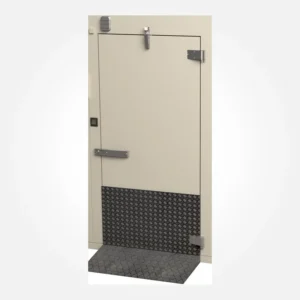
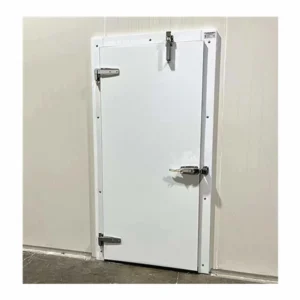
Insulated sandwich panel, doors, floor and hardware — the U-value here sets the heat load everything else is sized against.
Room envelope
Cold Room Storage917
Insulated sandwich panel, doors, floor and hardware — the U-value here sets the heat load everything else is sized against.
 Condensing pack
Condensing Units825
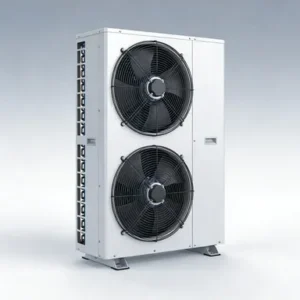
Compressor, condenser and receiver as one assembly. Match to the calculated load at the local design ambient, not at nominal conditions.
Condensing pack
Condensing Units825
Compressor, condenser and receiver as one assembly. Match to the calculated load at the local design ambient, not at nominal conditions.
 Unit coolers
Evaporators792
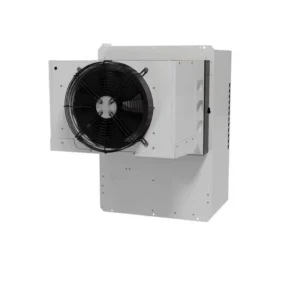
The in-room coil. Surface area and fin spacing decide humidity retention and how often the room has to defrost.
Unit coolers
Evaporators792
The in-room coil. Surface area and fin spacing decide humidity retention and how often the room has to defrost.
 Blast freezing
Freezing Equipment678
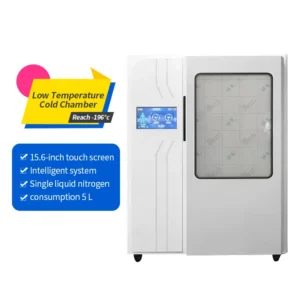
Where product has to be pulled through the freezing zone quickly, a storage room cannot do the job — separate blast capacity is required.
Blast freezing
Freezing Equipment678
Where product has to be pulled through the freezing zone quickly, a storage room cannot do the job — separate blast capacity is required.
 Controlled thawing
Thawing Equipment392
For processors running frozen stock back up to working temperature without surface damage or drip loss.
Controlled thawing
Thawing Equipment392
For processors running frozen stock back up to working temperature without surface damage or drip loss.
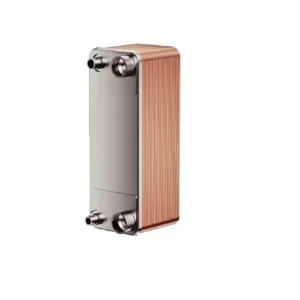 Valves, controls & spares
Refrigeration & Heat Exchange Parts670
Expansion valves, solenoids, pressure controls and defrost timers — the parts that actually fail in service.
Valves, controls & spares
Refrigeration & Heat Exchange Parts670
Expansion valves, solenoids, pressure controls and defrost timers — the parts that actually fail in service.
What to check before you order
- R404A Refrigerant 2,066
- Still the most widely stocked and serviceable option, but high GWP and under phase-down pressure in regulated markets.
- R290 Refrigerant 911
- Propane. Very efficient and low GWP, restricted by charge limits, so it suits smaller self-contained packs.
- CO2 / R744 315
- Transcritical CO₂ for new large installations where trained service support exists.
- Ammonia / R717 191
- Industrial-scale plant, highest efficiency, requires a machine room and qualified operators.
- 380V 15,604
- Three-phase supply for anything above light-commercial duty.
- Stainless Steel 12,508
- Required for food-contact zones and washdown areas.
Products for this application
-
- 110v~600v
- R134A
-
View & Inquire

-
- Material pu
-

- Material PVC
-
View & Inquire

-
- use without power
- Material PC
-
- Dc 24V
- R134A
- below 40dB
-

- 220-240V
- R-410A
-
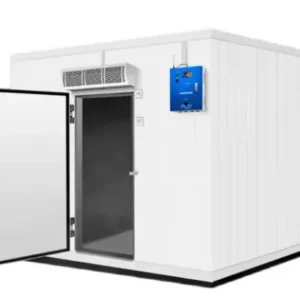
Refrigerator, 380V, TECUMSEH
$1,271.48- 380V
- Customzied Size
- R-404
-
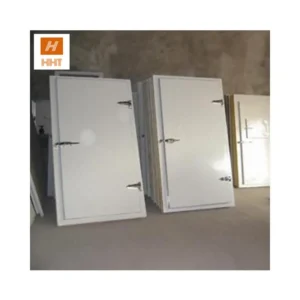
Freezer, r404, 50mm
$180.00- R404
-

- 380V
- R-410A
-
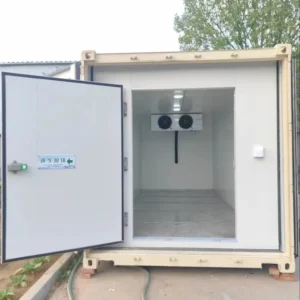
- 380 V
- R404A
Questions buyers ask
How do I size a condensing unit for a cold room?
Which refrigerant should a new cold room use?
Can one condensing unit serve two rooms at different temperatures?
Why is my cold room drying out the product?
Specific setups within this application
Related applications
Tell us about your cold storage & cold room equipment project
Send the duty and site conditions and we will come back with matched equipment, price and lead time from the manufacturers listed here — usually within one working day.