
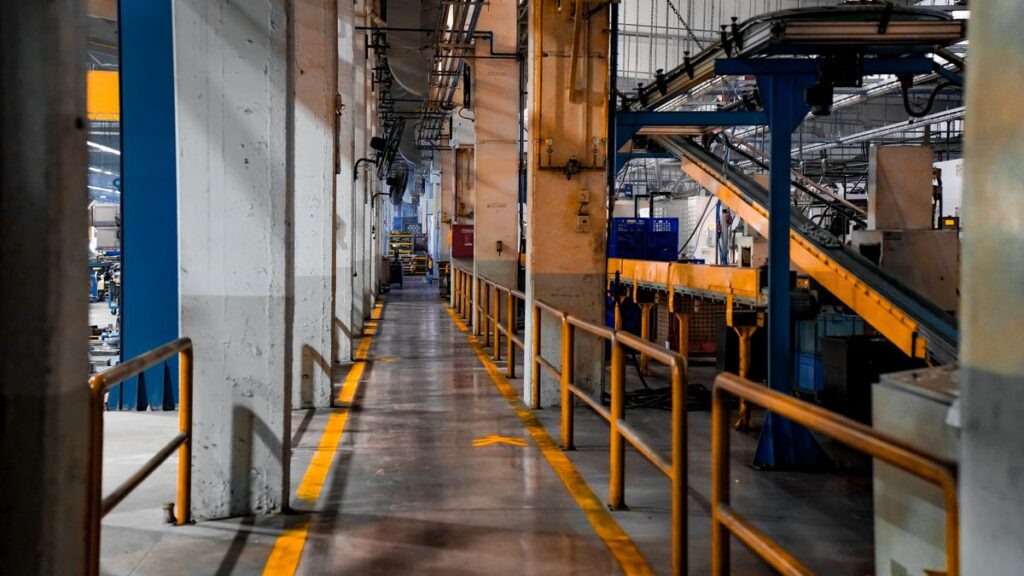
Axial, centrifugal and radial fans, blowers and heat rejection for plants where the fan has to deliver its rated volume against real duct resistance — and sometimes in an explosive atmosphere.
- 20,258products across this application
- 2,345verified manufacturers
- 6equipment groups
WhatFour duties bought as one system
Industrial ventilation covers four distinct duties that are often bought together: general dilution ventilation to keep the whole workspace within exposure limits, local exhaust to capture a contaminant at its source, process air supplied to equipment, and heat removal from hot processes. Each has a different design basis, and mixing them up is the most common cause of a system that cost a lot and did not work.
WhoWho specifies industrial ventilation
Plant and facilities engineers, EPC contractors, ventilation system integrators, and specialist operators in foundries, metal finishing, paint and coating lines, chemical processing, grain handling and mining.
WhereWhere explosion protection is mandatory
Every manufacturing region, with specification driven by whichever occupational exposure regime applies locally. Where solvent vapour, combustible dust or flammable gas can be present, explosion-protected construction is a legal requirement rather than an option — 2,418 products on this site carry that rating.
WhenLine changes and hygiene audits
At plant construction, when a production line changes and the extraction no longer matches what it is meant to capture, and after an occupational hygiene or safety audit that has found exposure above limits. The last of these usually comes with a compliance deadline attached.
WhyThe system curve decides everything
Fan selection lives or dies on the system curve, and this is where most industrial ventilation money is wasted. A fan quoted at a free-air airflow figure will deliver a fraction of that once ductwork, bends, filters and a discharge stack have added static pressure — and the buyer discovers this only after installation, when the hood no longer captures. The correct comparison is always airflow at the system's design static pressure, from the fan's published curve.
HowMatching fan type to pressure regime
Establish two numbers before looking at any product: the required volume flow, and the static pressure the system will impose at that flow. Then match the fan type to the pressure regime — axial fans for high volume at low pressure, backward-curved centrifugal for medium to high pressure at good efficiency, and radial or paddle-blade impellers where the air carries dust or fibre that would clog a curved blade. Add the environmental requirements last: explosion protection, high-temperature construction, or corrosion-resistant materials.
Equipment this application needs
 High volume, low pressure
Axial Flow Fans6,332
General dilution ventilation, roof and wall extract, and cooling airflow where there is little ductwork to fight.
High volume, low pressure
Axial Flow Fans6,332
General dilution ventilation, roof and wall extract, and cooling airflow where there is little ductwork to fight.
 Medium to high pressure
Centrifugal Fans11,344
Ducted extraction and process air. Backward-curved impellers give the best efficiency and a non-overloading power characteristic.
Medium to high pressure
Centrifugal Fans11,344
Ducted extraction and process air. Backward-curved impellers give the best efficiency and a non-overloading power characteristic.
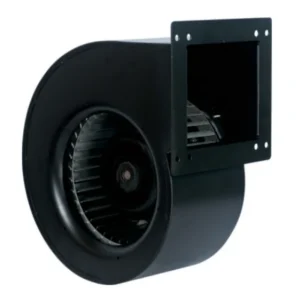 Dust-laden air
Radial Fans576
Straight radial blades that pass particulate without building up deposits — the right choice for woodworking, grain and foundry extraction.
Dust-laden air
Radial Fans576
Straight radial blades that pass particulate without building up deposits — the right choice for woodworking, grain and foundry extraction.
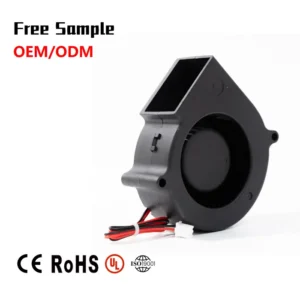 Process & conveying air
Blowers820
Higher pressure at lower volume: pneumatic conveying, combustion air, aeration and drying.
Process & conveying air
Blowers820
Higher pressure at lower volume: pneumatic conveying, combustion air, aeration and drying.
 Workshop cooling
Industrial Fans1,055
Floor and wall-mounted air movement for worker comfort in hot plant areas.
Workshop cooling
Industrial Fans1,055
Floor and wall-mounted air movement for worker comfort in hot plant areas.
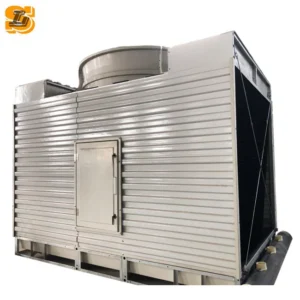 Process heat rejection
Cooling Towers707
Rejecting heat from process cooling water, sized on wet-bulb rather than dry-bulb temperature.
Process heat rejection
Cooling Towers707
Rejecting heat from process cooling water, sized on wet-bulb rather than dry-bulb temperature.
What to check before you order
- Explosion Proof 2,418
- Mandatory wherever a flammable atmosphere can occur. Covers motor, bearings and impeller material, not just the motor.
- High Temperature 2,144
- Kiln, oven, foundry and furnace extraction where the air itself is hot.
- Corrosion Resistant 2,232
- Plating, pickling and chemical process extraction — the duct contents attack the fan continuously.
- Industrial Grade 12,410
- Continuous duty construction with serviceable bearings and standard replaceable motors.
- 380V 15,604
- Three-phase supply, standard for anything above fractional horsepower.
Products for this application
-

- Material Steel
-

- 1000m3/h
- Noise 50dB
-
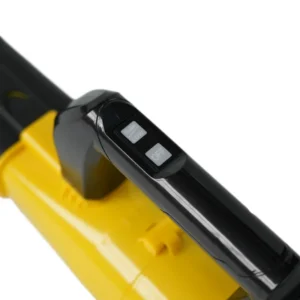
- Power Source Electric
- Material ABS
-
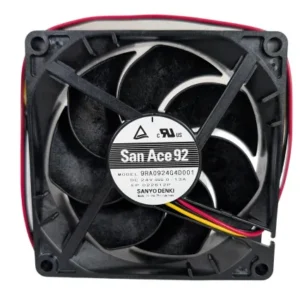
- 24v
- 92mm
- Power Source Electric
-

- 220V/380V
- Electric Blower
-

- Power Source Electric
-

- 500m³/min
- Customer's Request
-

- 220v/380v
- Carbon steel
- 1450 r/min
-
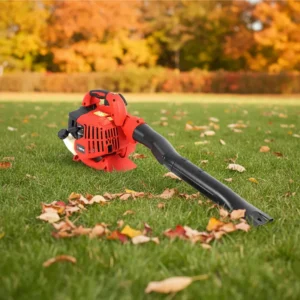
- Petrol/Gasoline
-
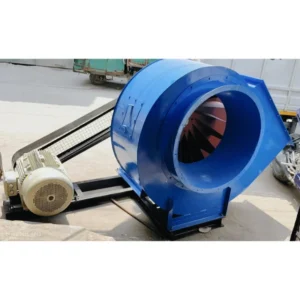
- 220V / 415V
- Electric Blower
- Material Iron
-
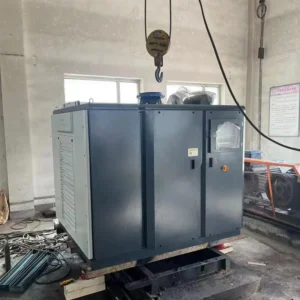
- 380 V
- 100-150m3/min
- Power Source Electric
-
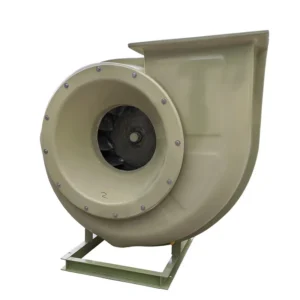
- Voltage customizable
- FRP Impeller
- 1450RPM
Questions buyers ask
How do I choose between an axial, centrifugal and radial fan?
Why does my new fan move less air than its rating?
When is an explosion-proof fan legally required?
Specific setups within this application
Related applications
Tell us about your industrial plant & workshop ventilation project
Send the duty and site conditions and we will come back with matched equipment, price and lead time from the manufacturers listed here — usually within one working day.