
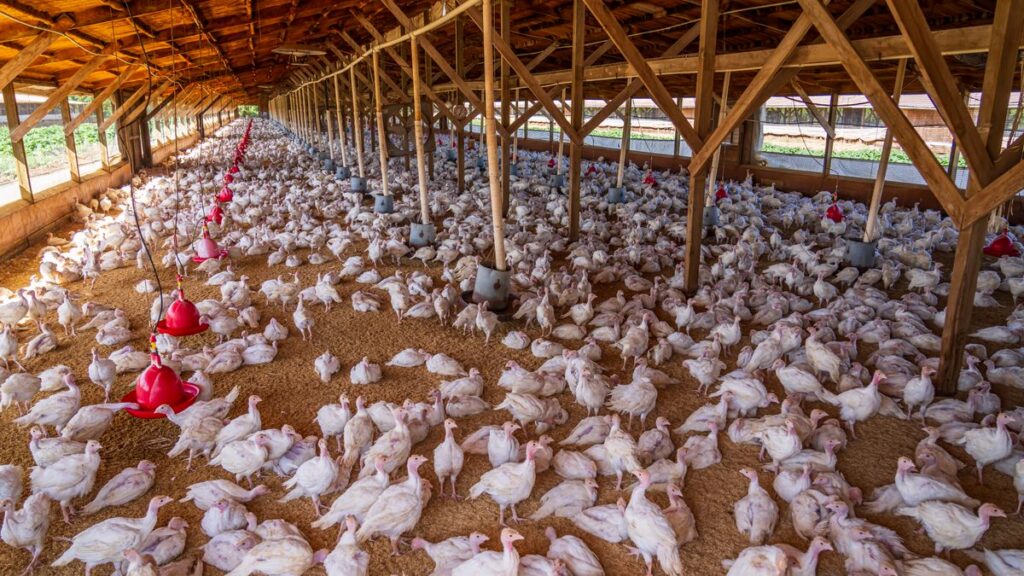
Tunnel and minimum-ventilation fans, evaporative cooling and house heating built for an ammonia-laden, washdown environment where a ventilation failure is measured in animals, not in degrees.
- 13,920products across this application
- 2,849verified manufacturers
- 6equipment groups
WhatTwo ventilation modes, sized separately
Animal-house ventilation runs in two entirely separate modes. Minimum ventilation operates in cold weather at the lowest rate that still removes ammonia, carbon dioxide and moisture — it is an air-quality function, not a cooling one. Tunnel ventilation operates in hot weather at the maximum rate the house can achieve, using air velocity over the birds to produce a wind-chill effect. The two modes need different equipment and are sized independently.
WhoWho buys livestock ventilation
Vertically integrated poultry companies, independent broiler and layer farm owners, swine and dairy operations, farm construction contractors, and regional agricultural equipment dealers who stock for their local grower base.
WhereGrid and site conditions on working farms
Brazil, India, Southeast Asia, the Middle East, Africa and Eastern Europe carry the volume, generally on 380 V three-phase supply with a real risk of grid interruption — which is why backup power and alarm systems are part of the specification rather than an accessory.
WhenThe window between flocks
New house construction, and replacement during the short window between flocks when the house is empty and can be worked on. That window is measured in days, so availability from stock frequently decides the order.
WhyCorrosion, and the cost of a stopped fan
Two things separate this scenario from general industrial ventilation. First, the air is genuinely corrosive: ammonia from litter, combined with regular high-pressure washdown and disinfectant, destroys ordinary galvanised steel and standard motor housings within a couple of years. Second, the consequence of failure is immediate and total — in a tunnel-ventilated house on a hot day, a flock can be lost in under thirty minutes if the fans stop. Redundancy, alarms and backup power are not upgrades in this scenario.
HowRating fans at real static pressure
Size the two modes separately: minimum ventilation from the animals' moisture and ammonia production at the coldest expected condition, tunnel ventilation from the target air velocity along the house at the hottest. Rate every fan at the static pressure the house actually operates at — a tunnel house with inlet baffles and an evaporative pad is not a free-air installation, and a fan chosen on free-air airflow will not deliver the velocity the birds need. Then check the airflow ratio, which tells you how much of that fan's output survives real static pressure. Finally, specify corrosion protection at the level the environment demands, and put ventilation on backup power with an independent high-temperature alarm.
Equipment this application needs
 Tunnel ventilation
Axial Flow Fans6,332
Large-diameter, low-speed fans producing house-length air velocity for wind-chill cooling in hot weather.
Tunnel ventilation
Axial Flow Fans6,332
Large-diameter, low-speed fans producing house-length air velocity for wind-chill cooling in hot weather.
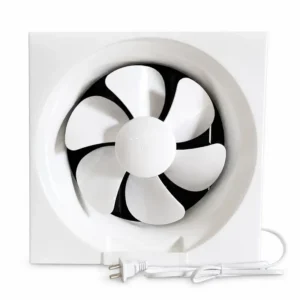 Minimum ventilation
Exhaust Fans1,012
Small, precisely controlled units running intermittently in cold weather for air quality alone.
Minimum ventilation
Exhaust Fans1,012
Small, precisely controlled units running intermittently in cold weather for air quality alone.
 Evaporative pads
Air Coolers659
Pad cooling at the tunnel inlet, adding several degrees of drop on top of the wind-chill effect in dry climates.
Evaporative pads
Air Coolers659
Pad cooling at the tunnel inlet, adding several degrees of drop on top of the wind-chill effect in dry climates.
 Brooding heat
Heating Equipment4,543
Chicks need house temperatures near 32–34 °C in the first week, falling weekly — a heating load that dwarfs anything the adult flock needs.
Brooding heat
Heating Equipment4,543
Chicks need house temperatures near 32–34 °C in the first week, falling weekly — a heating load that dwarfs anything the adult flock needs.
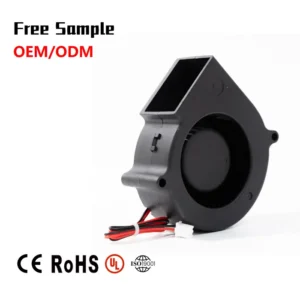 Feed & air handling
Blowers820
Feed conveying and positive-pressure inlet duties around the house.
Feed & air handling
Blowers820
Feed conveying and positive-pressure inlet duties around the house.
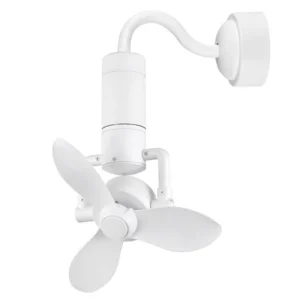 Shutters, belts & spares
Ventilation Fan Parts554
Shutters, belts, pulleys and motors — the consumables that decide whether the house keeps running between flocks.
Shutters, belts & spares
Ventilation Fan Parts554
Shutters, belts, pulleys and motors — the consumables that decide whether the house keeps running between flocks.
What to check before you order
- Corrosion Resistant 2,232
- Ammonia plus washdown. This is the single specification that determines whether the fan lasts two years or ten.
- Industrial Grade 12,410
- Continuous duty, months without stopping, with no scheduled maintenance access while the house is occupied.
- 380V 15,604
- Three-phase for tunnel fan banks.
- Energy Saving 5,353
- Fan energy is one of the largest controllable costs per bird produced.
- IP55 / IP68 3,348
- Sealed motors that survive direct high-pressure washing between flocks.
Products for this application
-

- 12 Chicken eggs
- 32.5*21*12.5CM
- Material ABS
-
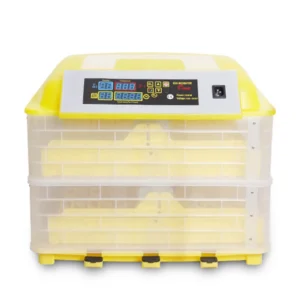
- 12v
- Material PP
-

- 380V-480V
- 66000 m3/h
- Power Source Electric
-

- 380V
-
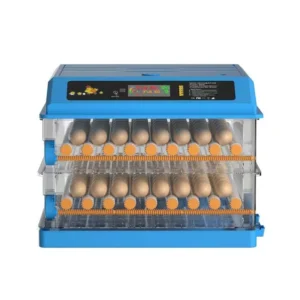
- 128 chicken eggs
- Material ABS
-

- 110V/220V
- 2000 chicken eggs
- Material PE
-
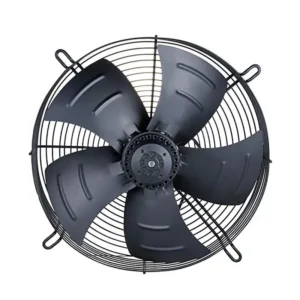
- 220V/380V
- Power Source Electric
- Blade Material metal
-

- Blade Material ss430
-

- Power Source Electric
-

- 220v/110v
- 30pcs Chicken Eggs
- Material PP
-

- 220V/380V/400V/Oth
- Power Source Electric
- Stainless Steel
-

- 380V-480V
- Power Source Electric
- Blade Material Alloy
Questions buyers ask
What is the difference between minimum and tunnel ventilation?
Why do farm fans need special corrosion protection?
What airflow rating should I compare fans on?
Specific setups within this application
Related applications
Tell us about your poultry & livestock house ventilation project
Send the duty and site conditions and we will come back with matched equipment, price and lead time from the manufacturers listed here — usually within one working day.