
The rooms behind the shop floor that absorb every delivery and every peak — opened dozens of times an hour, which is what actually determines how they must be built.
- 785products across this application
- 316verified manufacturers
- 5equipment groups
WhatStorage that is in constant use
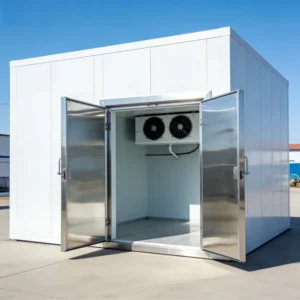
A retail back room holds chilled and frozen stock between delivery and display. Unlike a distribution cold store, where product sits still for weeks, this room is entered continuously through trading hours — staff in and out with cages, doors held open while stock is picked, and a full delivery pushed in at once.
WhoWho buys it
Supermarket and convenience chains, retail shopfitting contractors, and estate maintenance teams replacing failing rooms while the store stays open.
WhyWhy door openings drive the design
In a room opened this often, infiltration is a major part of the heat load rather than a rounding error — warm shop air rolls in at every opening, bringing moisture that becomes frost on the coil. That is why these rooms frost heavily, defrost frequently, and why a room sized on transmission load alone runs at the wrong temperature all afternoon and recovers overnight, which is exactly when nobody notices.
HowDesigning around the traffic
Include realistic infiltration in the load, based on the door openings the store will actually generate, not on a nominal figure. Fit strip curtains or air curtains — on a heavily used door these repay their cost quickly. Choose evaporators with fin spacing that tolerates heavy frosting and a defrost strategy matched to the frequency, and site them so the discharge does not blow straight at the door. Finally, specify the door itself properly: on a retail back room the door is the highest-wear component in the installation.
Equipment this application needs
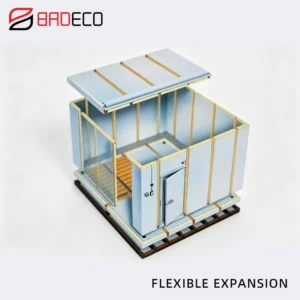 Room, doors & panels
Cold Room Storage74
The door is the highest-wear item — specify it for the traffic, not the room volume.
Room, doors & panels
Cold Room Storage74
The door is the highest-wear item — specify it for the traffic, not the room volume.
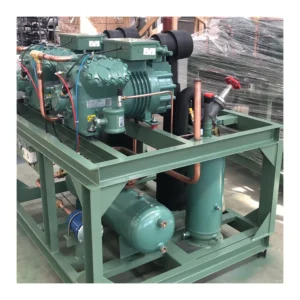 Refrigeration packs
Condensing Units429
Sized including realistic infiltration, which dominates the load in a busy back room.
Refrigeration packs
Condensing Units429
Sized including realistic infiltration, which dominates the load in a busy back room.
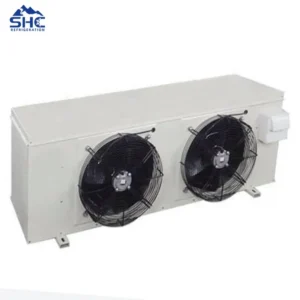 Unit coolers
Evaporators74
Fin spacing and defrost matched to heavy frosting from frequent door openings.
Unit coolers
Evaporators74
Fin spacing and defrost matched to heavy frosting from frequent door openings.
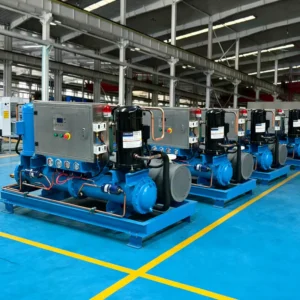 Secondary systems
Chilling Equipment88
Glycol systems keeping refrigerant charge out of the retail space.
Secondary systems
Chilling Equipment88
Glycol systems keeping refrigerant charge out of the retail space.
 Defrost & controls
Refrigeration & Heat Exchange Parts120
Defrost timers, termination sensors and door switches — the parts that actually fail.
Defrost & controls
Refrigeration & Heat Exchange Parts120
Defrost timers, termination sensors and door switches — the parts that actually fail.
What to check before you order
- R290 Refrigerant 130
- Low GWP for smaller self-contained packs serving a single room.
- Energy Saving 1,220
- These rooms run continuously for the life of the store.
- Stainless Steel 2,107
- Cleanable food storage surfaces.
- DC Inverter 359
- Follows a load that swings sharply with deliveries and door traffic.
- 380V 2,141
- Three-phase where pack size requires it.
Products for this application
-
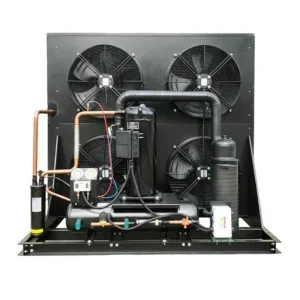
- 380 V
- 20kw(26.82hp)
- 5-50HP
-
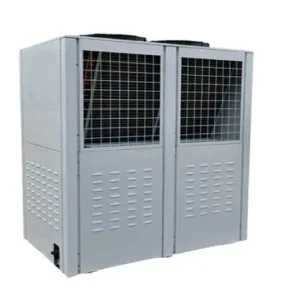
- 220V
- 29.7kw(39.83hp)
- R404
-
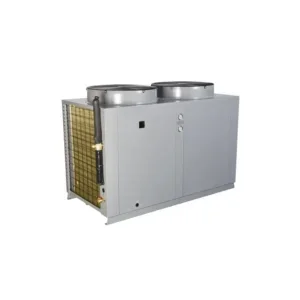
- 220 V
- R404A
-
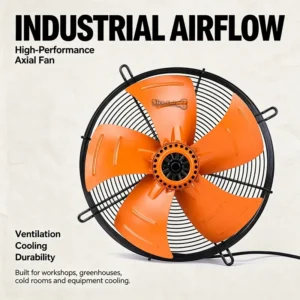
- Power Source Electric
- Material Metal
-
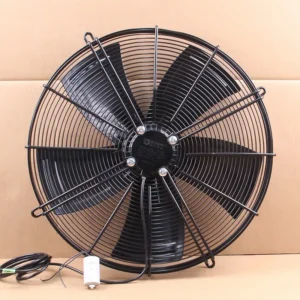
- 220V
- 9961m3/h
- Cooling Fan
-
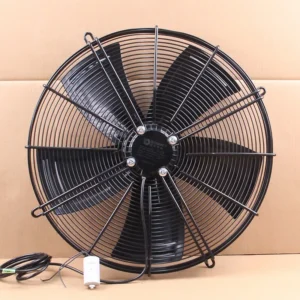
- 220V
- 9961m3/h
- Cooling Fan
-
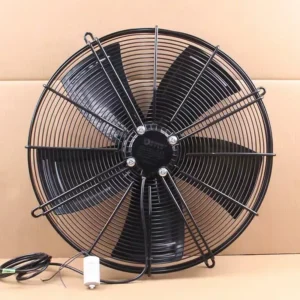
- 220V
- 9961m3/h
- Cooling Fan
-
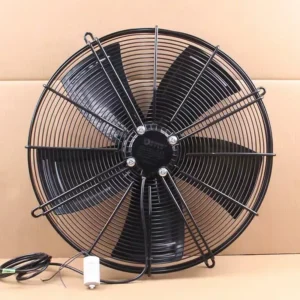
- 220V
- 9961m3/h
- Cooling Fan
-
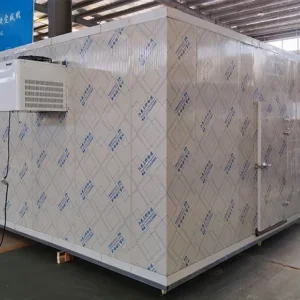
- 220v
- -22 BTU
- 1400w(1.88hp)
-
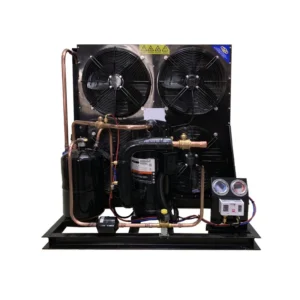
- 220 V
- R404a or r134a
-
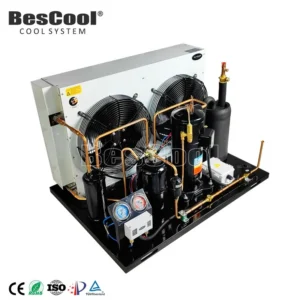
- 220V/380V
- 2HP~15HP
- R404A
-
- AC 220V~240V
- 10 W
- R-410A
Questions buyers ask
Why do retail back rooms frost up so much more than storage cold rooms?
Are strip curtains worth fitting?
How should infiltration be included in the load calculation?
Related applications
Tell us about your retail back-room cold rooms project
Send the duty and site conditions and we will come back with matched equipment, price and lead time from the manufacturers listed here — usually within one working day.