
Fan-and-pad cooling, circulation fans, exhaust and heating for protected cropping — sized on air changes and on the crop's vapour pressure deficit, not on floor area.
- 1,221products across this application
- 535verified manufacturers
- 6equipment groups
WhatHolding a growing envelope
Greenhouse climate control holds a growing envelope inside a crop-specific band of temperature, humidity and air movement across a full 24-hour cycle in which solar gain alone can swing the house by 20 °C. Growers work to vapour pressure deficit rather than relative humidity, because VPD is what actually governs transpiration and therefore growth.
WhoWho buys greenhouse climate equipment
Commercial growers of vegetables, soft fruit and cut flowers, greenhouse construction companies delivering turnkey structures, agritech integrators, and hydroponic and vertical-farm operators — the last group buying essentially the same equipment for a fully enclosed building.
WhereHot-arid houses and heated glass
Two very different markets. Hot and arid regions — the Mediterranean basin, the Middle East, North Africa, Central Asia — where the problem is summer cooling and evaporative fan-and-pad systems do most of the work. And high-latitude glass, where the problem is winter heating and CO₂ enrichment. Many sites are remote with weak or intermittent grid supply, which is why solar-powered ventilation (136 products) is a live specification here rather than a novelty.
WhenBuying a season ahead of the weather
Sharply seasonal, and the seasons run ahead of the weather. Cooling equipment is specified and bought in late winter and spring for the coming summer; heating is bought in late summer for the coming winter. Missing the window means missing a growing season, not just a delivery date.
WhyAir movement is disease control
Air movement matters as much as temperature, and it is the part most often left out. Still air lets a saturated boundary layer build up on the leaf surface, which shuts down transpiration and creates exactly the conditions botrytis and powdery mildew need. Horizontal airflow fans that keep the whole house gently moving prevent a class of disease loss that no amount of cooling capacity will fix.
HowSizing pads, fans and heating
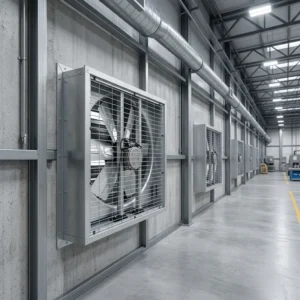
For evaporative cooling in a hot climate, size the exhaust fans to change the house air roughly once a minute, and set the pad area to give the correct face velocity — too fast and the air leaves the pad still dry, too slow and it arrives saturated and stagnant. Add circulation fans sized on house volume, independent of the cooling system, because they have to run when the vents are shut. Size heating on the coldest-night design temperature for the site, and check the corrosion specification: a greenhouse is a permanently humid, frequently sprayed environment.
Equipment this application needs
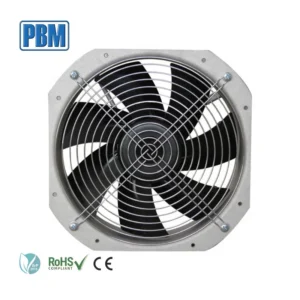 Exhaust & circulation
Axial Flow Fans666
The workhorse of the house — high volume against the low resistance of a pad wall, plus horizontal airflow duty between crop rows.
Exhaust & circulation
Axial Flow Fans666
The workhorse of the house — high volume against the low resistance of a pad wall, plus horizontal airflow duty between crop rows.
 Evaporative cooling
Air Coolers84
Pad-and-fan and portable evaporative units. In dry climates they deliver a genuine 6–12 °C drop at a fraction of the energy of mechanical cooling.
Evaporative cooling
Air Coolers84
Pad-and-fan and portable evaporative units. In dry climates they deliver a genuine 6–12 °C drop at a fraction of the energy of mechanical cooling.
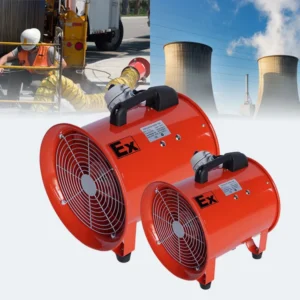 Humidity & heat purge
Exhaust Fans70
Night-time moisture removal, which is what prevents condensation dripping onto the crop at dawn.
Humidity & heat purge
Exhaust Fans70
Night-time moisture removal, which is what prevents condensation dripping onto the crop at dawn.
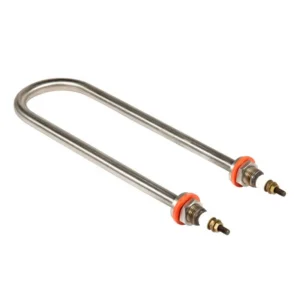 Frost & night heating
Heating Equipment63
Holding the house above the crop's minimum on the coldest nights, sized to the site's design temperature.
Frost & night heating
Heating Equipment63
Holding the house above the crop's minimum on the coldest nights, sized to the site's design temperature.
 Direct-fired heating
Gas Heaters236
Widely used where the CO₂ from combustion is a benefit to the crop rather than a contaminant — but only with correctly specified equipment.
Direct-fired heating
Gas Heaters236
Widely used where the CO₂ from combustion is a benefit to the crop rather than a contaminant — but only with correctly specified equipment.
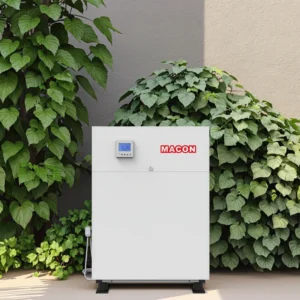 Efficient year-round
Heat Pumps96
Heating and cooling from one machine, increasingly specified where electricity is available and fuel is not.
Efficient year-round
Heat Pumps96
Heating and cooling from one machine, increasingly specified where electricity is available and fuel is not.
What to check before you order
- Corrosion Resistant 121
- Permanent high humidity plus fertiliser and pesticide spray — ordinary painted steel does not last.
- Solar Powered 136
- Practical for remote sites and for keeping circulation running through grid outages.
- Energy Saving 770
- Ventilation runs for thousands of hours per season, so fan efficiency compounds quickly.
- 380V 1,195
- Three-phase for pad-wall fan banks on commercial-scale houses.
- IP55 / IP68 159
- Sealed motors and enclosures for a washdown and spray environment.
Products for this application
-
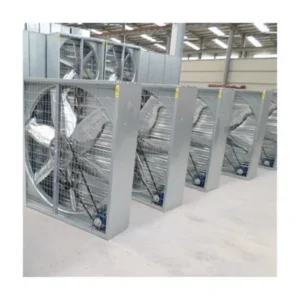
- 300mm-1530mm
- Power Source Electric
- Stainless Steel
-
- 300mm-1530mm
- Power Source Electric
- Stainless Steel
-
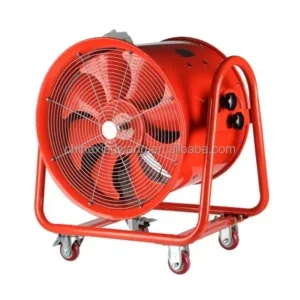
- 110/220-240/380V
- Size 8"-42"
- Power Source Electric
-
- 120 V
- Power Source Electric
- Galvanized Steel
-
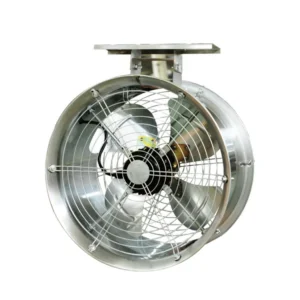
- 400mm 500mm
- Stainless Steel
-
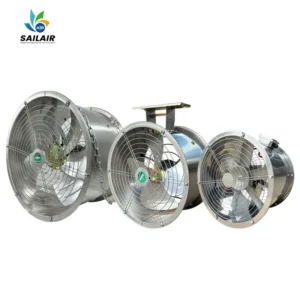
- 380V
- 12 inch-24 inch
- Power Source Electric
-
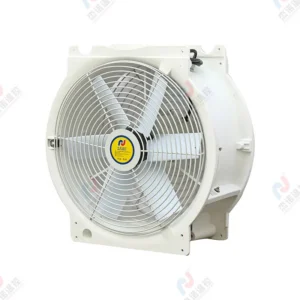
- 220/380V
- Power Source Electric
- Material Plastic
-
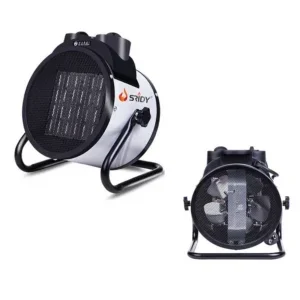
- Power Source Electric
-
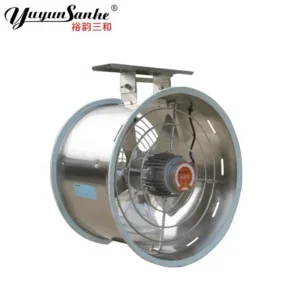
- 380V/220V
- Power Source Electric
- Stainless Steel
-
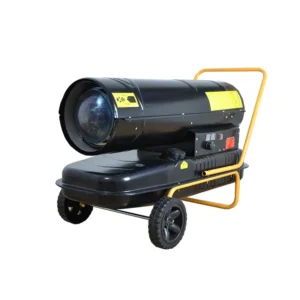
- 220 V
- Power source Diesel
- Stainless Steel
-
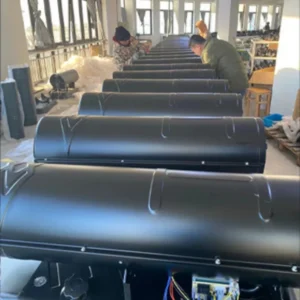
- 240 V
- Kerosene Diesel
- Stainless Steel
-
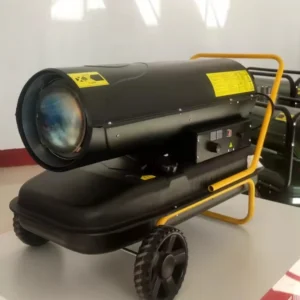
Kerosene Heater, 30-50KW, 220V
$190.00- 220V
- Power source Diesel
- Metail+Plastic
Questions buyers ask
How many exhaust fans does a greenhouse need?
Does evaporative cooling work in a humid climate?
Why are circulation fans specified separately from ventilation fans?
Related applications
Tell us about your greenhouse & horticulture climate control project
Send the duty and site conditions and we will come back with matched equipment, price and lead time from the manufacturers listed here — usually within one working day.