
Guest-room comfort and back-of-house plant, specified around sound level and per-room control — because in a bedroom the constraint is noise, not capacity.
- 963products across this application
- 425verified manufacturers
- 6equipment groups
WhatTwo systems sharing one building
Hotel HVAC is really two systems sharing a building. Guest rooms need individually controllable, very quiet heating and cooling with the ability to set back unoccupied rooms. Public and back-of-house areas — lobby, corridors, function rooms, kitchen, laundry, pool — need conventional commercial plant plus domestic hot water at a scale that often exceeds the space-conditioning load.
WhoWho buys hotel HVAC
Hotel groups with a brand standard that dictates equipment, independent property owners, developers, FF&E procurement teams buying in bulk lots, property management companies, and refurbishment contractors working room-by-room while the hotel stays open.
WhereClimate sets the mix, noise stays constant
Resort and city markets worldwide. Climate sets the equipment mix — inverter splits and VRF dominate warm markets, while heat pumps combined with boilers serve cooler ones — but the sound and control requirements are constant across all of them.
WhenBulk buying at build and refurbishment
At new build, and on refurbishment cycles that typically run every seven to ten years. Both are bulk purchases of identical units, which means a single specification error is repeated across every room in the property.
WhySound is the binding constraint
In a hotel bedroom the binding constraint is sound, not capacity. A unit that cools perfectly at 45 dB(A) will generate complaints and poor reviews regardless of how well it performs thermally, because the guest is trying to sleep three metres from it. The second constraint is control: rooms are empty much of the day, and the ability to set back an unoccupied room is one of the largest energy savings available to a hotel. Both are decided at specification and cannot be fixed afterwards.
HowSpecifying for sleep and for setback
Specify indoor sound pressure at low fan speed as a hard limit alongside capacity, and be sceptical of a single headline dB figure without the operating condition attached. Choose inverter-driven compressors so the unit runs continuously at low output rather than cycling — quieter, and better at holding a stable room temperature. Provide per-room control that integrates with the property management system for occupancy setback, and size domestic hot water on the real morning peak, which in a hotel is short, severe and non-negotiable.
Equipment this application needs
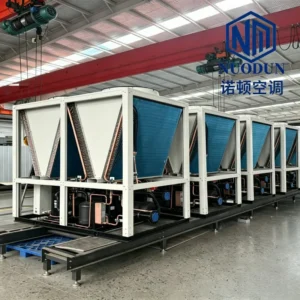 Guest room comfort
Split Air Conditioners86
The standard guest-room solution. Select on indoor sound pressure at low speed first, then on capacity.
Guest room comfort
Split Air Conditioners86
The standard guest-room solution. Select on indoor sound pressure at low speed first, then on capacity.
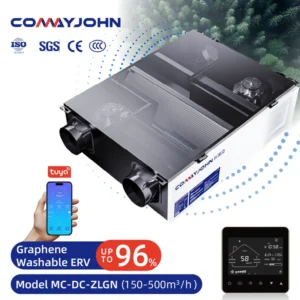 Multi-room & suites
Home HVAC Systems61
Multi-split and ducted systems for suites and apartment-style rooms with more than one zone.
Multi-room & suites
Home HVAC Systems61
Multi-split and ducted systems for suites and apartment-style rooms with more than one zone.
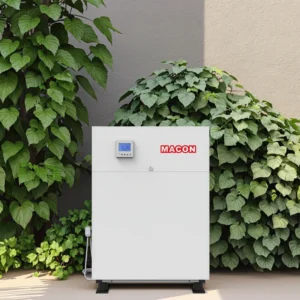 Hot water & heating
Heat Pumps96
Domestic hot water and space heating from one machine — usually the largest single energy saving available in a hotel refurbishment.
Hot water & heating
Heat Pumps96
Domestic hot water and space heating from one machine — usually the largest single energy saving available in a hotel refurbishment.
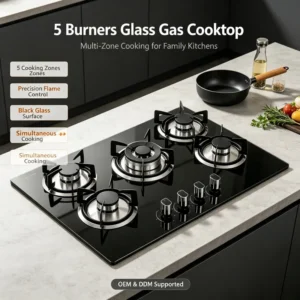 Peak hot water
Boilers139
Covering the short, severe morning demand peak that a heat pump alone is uneconomic to size for.
Peak hot water
Boilers139
Covering the short, severe morning demand peak that a heat pump alone is uneconomic to size for.
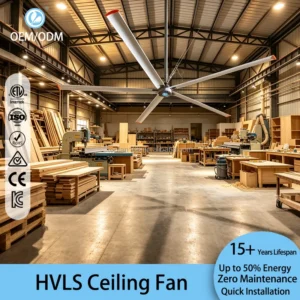 Comfort & destratification
Ceiling Fans80
Lets the room setpoint be raised a degree or two at equal comfort, and in lobbies pushes warm ceiling air back down.
Comfort & destratification
Ceiling Fans80
Lets the room setpoint be raised a degree or two at equal comfort, and in lobbies pushes warm ceiling air back down.
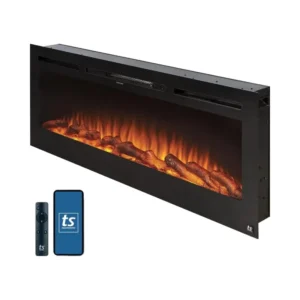 Lobby & suite feature
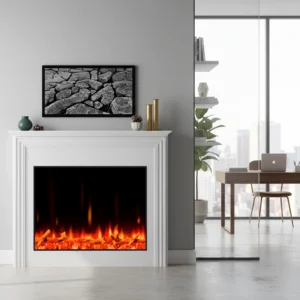
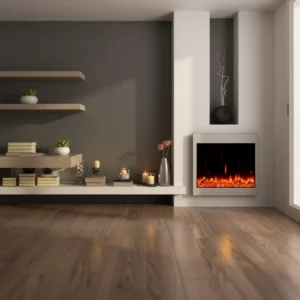
Electric Fireplaces428
Guest-facing warmth with no flue, no fuel and no combustion risk — an FF&E item as much as a heating one.
Lobby & suite feature
Electric Fireplaces428
Guest-facing warmth with no flue, no fuel and no combustion risk — an FF&E item as much as a heating one.
What to check before you order
- Low Noise 374
- The single most important guest-room specification. Ask for sound pressure at low fan speed, at a stated distance.
- DC Inverter 299
- Continuous low-output running instead of cycling — quieter, more stable, and far better at part load.
- Energy Saving 656
- Rooms sit empty for most of the day; occupancy setback is where the savings are.
- R32 Refrigerant 128
- Now the mainstream refrigerant for new split systems, with roughly a third the GWP of R410A.
- Wall Mounted 422
- The standard guest-room installation format.
Products for this application
-
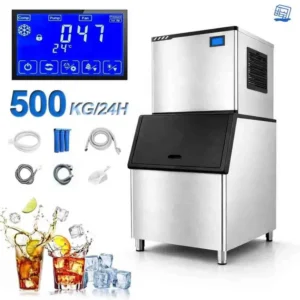
- 220 V
- 24 Hours
- 1760W
-
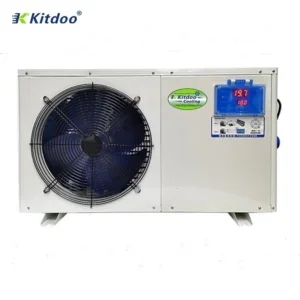
- 220 V
- R22/R410/R404A
-
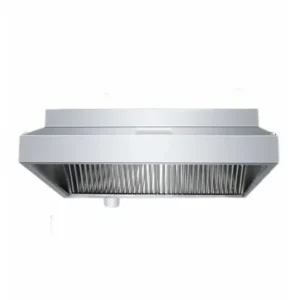
- AC 220V~240V
- Customized Size
- Power Source Electric
-
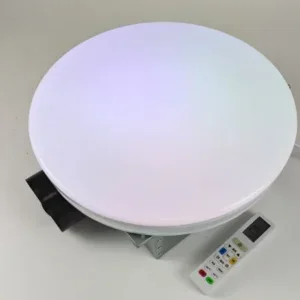
- 9 inch
- Power Source ac
- Material pp
-
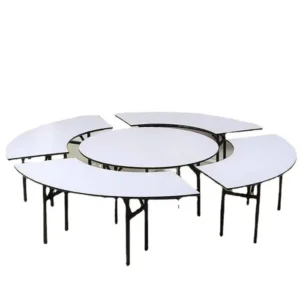
- Material Wood
-

- 9 inch
- Power Source ac
- Material pp
-
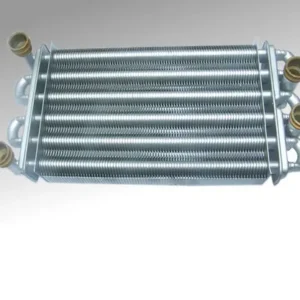
- Material Brass
-

- 10001-12000 BTU
- Power Type AC
- R410A
-
- 800-1600W
-
- 800-1600W
-
- Power source Electric
- Material Cotton
-
View & Inquire
Questions buyers ask
What noise level is acceptable in a hotel guest room?
Why do hotels specify inverter systems rather than fixed-speed?
How should hotel domestic hot water be sized?
Related applications
Tell us about your hotel & hospitality hvac project
Send the duty and site conditions and we will come back with matched equipment, price and lead time from the manufacturers listed here — usually within one working day.