
Refrigeration and ventilation built to work while moving — salt air, constant vibration and DC supply, where nothing designed for a fixed installation survives unmodified.
- 1,472products across this application
- 610verified manufacturers
- 6equipment groups
WhatRefrigeration that has to work while moving
Refrigeration and ventilation for vessels and vehicles: fishing boat holds and RSW systems, ship provision rooms, reefer container and truck body units, and the ventilation that serves engine rooms and accommodation. The thermodynamics are ordinary; the operating environment is not.
WhoWho buys marine refrigeration
Shipyards and boatbuilders, fishing fleet owners and their refit yards, reefer truck and trailer body builders, marine equipment dealers and chandlers, and yacht fit-out contractors.
WhereSalt, vibration and the vessel's own supply
Coastal shipbuilding and fishing regions, and the road and rail reefer corridors that connect producers to ports. Both share the same three environmental problems: salt, vibration and an electrical supply that is not the grid.
WhenBuild, survey and refit
At new build, at classification society survey when equipment has to be brought back to standard, and at refit. Survey and refit work is scheduled tightly around the vessel's earning time, so delivery reliability is weighted heavily.
WhyThree conditions that destroy standard equipment
Three environmental factors make this scenario unlike any fixed installation, and all three are unforgiving. Salt-laden air corrodes aluminium fins and unprotected steel far faster than any inland industrial atmosphere, so coil coating and enclosure protection are structural requirements rather than options. Continuous vibration loosens joints, fatigues pipework and destroys bearings that would run for a decade on a concrete floor. And the electrical supply is the vessel's own — frequently 12, 24 or 48 V DC, or a generator whose frequency and voltage wander under load in a way no fixed-installation motor is designed for.
HowCorrosion, DC supply and vibration isolation
Start with the corrosion specification, because it is the one you cannot retrofit: coated coils, marine-grade or non-ferrous hardware, and sealed enclosures rated for direct water. Then match the electrical supply — genuine DC equipment where the vessel runs DC, rather than an inverter added afterwards, which becomes the least reliable component in the system. Mount everything on anti-vibration isolators and use flexible connections at every rigid pipe termination. Finally, design for service access at sea, where a technician may be alone with hand tools.
Equipment this application needs
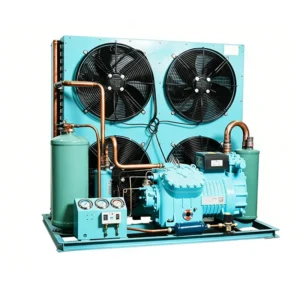 Hold & body refrigeration
Condensing Units234
Compact water- or air-cooled packs for fish holds, provision rooms and reefer bodies, in marine-protected construction.
Hold & body refrigeration
Condensing Units234
Compact water- or air-cooled packs for fish holds, provision rooms and reefer bodies, in marine-protected construction.
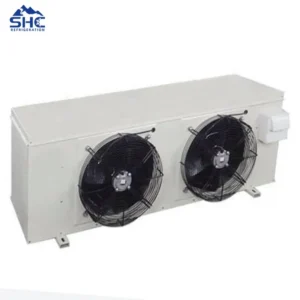 In-space cooling
Evaporators74
Coated coils and drip trays that survive continuous salt exposure and take vibration without fatiguing.
In-space cooling
Evaporators74
Coated coils and drip trays that survive continuous salt exposure and take vibration without fatiguing.
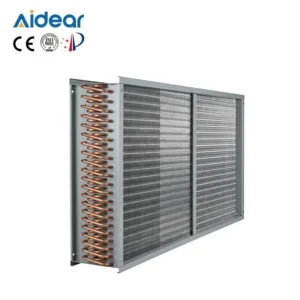 Seawater cooling
Heat Exchangers160
Titanium or cupro-nickel plate exchangers rejecting heat to seawater — material choice here is the whole decision.
Seawater cooling
Heat Exchangers160
Titanium or cupro-nickel plate exchangers rejecting heat to seawater — material choice here is the whole decision.
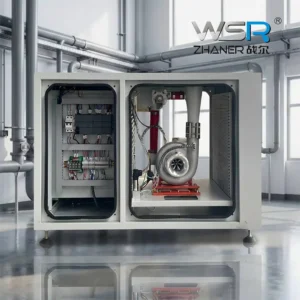 Engine room ventilation
Blowers212
Supply and extract for machinery spaces, where combustion air and heat removal both have to be guaranteed.
Engine room ventilation
Blowers212
Supply and extract for machinery spaces, where combustion air and heat removal both have to be guaranteed.
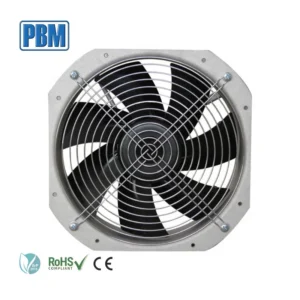 Accommodation & hold air
Axial Flow Fans666
Low-voltage DC fans for cabins, holds and cargo spaces.
Accommodation & hold air
Axial Flow Fans666
Low-voltage DC fans for cabins, holds and cargo spaces.
 Onboard spares
Refrigeration & Heat Exchange Parts120
Valves, controls and seals carried aboard, because a failure at sea cannot wait for a delivery.
Onboard spares
Refrigeration & Heat Exchange Parts120
Valves, controls and seals carried aboard, because a failure at sea cannot wait for a delivery.
What to check before you order
- Corrosion Resistant 103
- Not an upgrade in this scenario. Salt air is continuous and there is no shelter from it.
- Stainless Steel 930
- Grade 316 for exposed marine hardware — 304 will show corrosion within a season.
- 24V DC 54
- The most common vessel and truck supply, avoiding an inverter in the reliability chain.
- 12V DC 51
- Smaller craft and vehicle installations.
- IP55 / IP68 62
- Sealed against direct water ingress, spray and washdown.
Products for this application
-
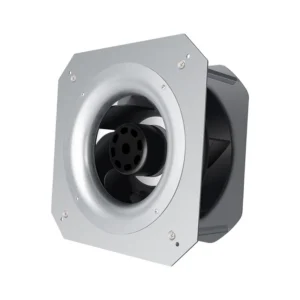
- 220 V
- Stainless Steel
- 2800 RPM
-
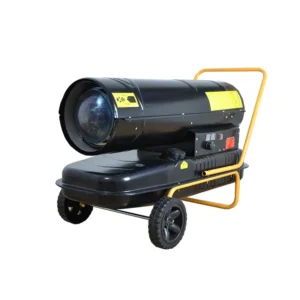
- 220 V
- Power source Diesel
- Stainless Steel
-
- 220-240V
- Power source Diesel
- Stainless Steel
-
- 220-240V
- 1090*490*585MM
- Power source Diesel
-
- 0–4 BTU
- Power Source Electric
-
 View & Inquire
Feet Shipping Freezer
$2,000.00 -
View & Inquire
-
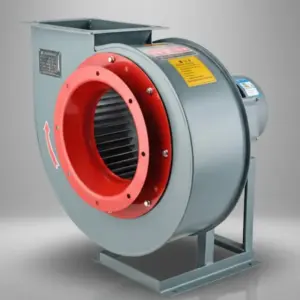
Centrifugal Fan, FRP
$79.00- Blade Material FRP
-

- 5 V
- Power Source Electric
- Blade material Plastic
-
- 110-240V
- Power Source Electric
- Cast Iron
-
- 20 in
- Power Source Electric
- Cast Iron
-
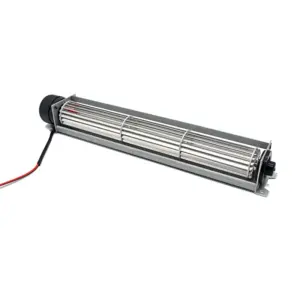
- 12V
- Cast Iron
Questions buyers ask
Why can't I use standard refrigeration equipment on a vessel?
Should I choose DC equipment or use an inverter?
What material should a seawater heat exchanger be?
Related applications
Tell us about your marine & transport refrigeration project
Send the duty and site conditions and we will come back with matched equipment, price and lead time from the manufacturers listed here — usually within one working day.