
A service counter that is refrigerated by ice as much as by machinery — and the wettest, most corrosive display environment in the shop.
- 772products across this application
- 307verified manufacturers
- 5equipment groups
WhatIce display, mechanically supported
A traditional fish counter presents product on a bed of flake ice. The ice does most of the cooling and all of the presentation; the mechanical system holds the counter base cold so the ice lasts a full trading day and the product below it stays in band. Ice consumption, not compressor capacity, is what usually limits the counter.
WhoWho buys it
Supermarket and hypermarket operators, fishmongers and market halls, food halls and premium grocers, and the shopfitters who install service counters.
WhyWhy this counter destroys ordinary equipment
Melting ice, fish liquor and constant washdown produce a continuously wet, salty environment. Standard steel fixings corrode, drainage blocks with scale and debris, and any coil in the airstream picks up salt. On top of that, staff work at the counter all day, so a system that ices up, drips or smells is not merely a maintenance issue — it directly affects how the counter sells.
HowSizing on the morning peak
Size ice production on the morning replenishment peak, not on daily average: a counter is rebuilt with ice before opening and topped up through the day, so a machine sized on 24-hour output will not fill the counter in time. Design drainage generously and make it accessible for cleaning, because it will block. Specify corrosion protection on everything in the wet zone. And plan the ice route from machine to counter — carrying ice across a shop floor is a daily labour cost that gets designed in by accident.
Equipment this application needs
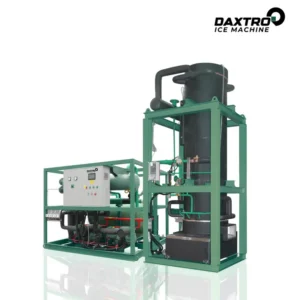 Flake & slurry ice
Ice Machines75
Flake ice for display; size on the morning build, not daily average output.
Flake & slurry ice
Ice Machines75
Flake ice for display; size on the morning build, not daily average output.
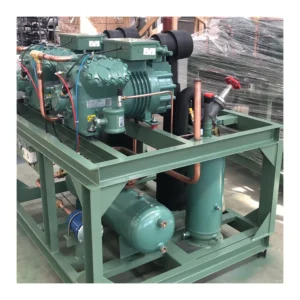 Counter refrigeration
Condensing Units429
Holding the counter base so the ice bed survives a full trading day.
Counter refrigeration
Condensing Units429
Holding the counter base so the ice bed survives a full trading day.
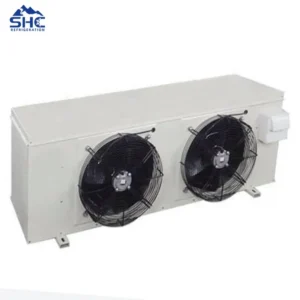 Counter & prep coils
Evaporators74
Protected coils in a permanently wet, salt-laden environment.
Counter & prep coils
Evaporators74
Protected coils in a permanently wet, salt-laden environment.
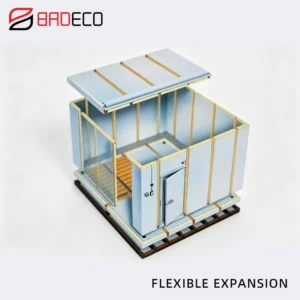 Back-room fish store
Cold Room Storage74
Separate storage — fish must not share a room with dairy or ready-to-eat product.
Back-room fish store
Cold Room Storage74
Separate storage — fish must not share a room with dairy or ready-to-eat product.
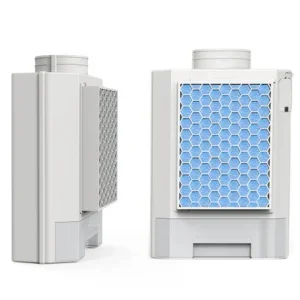 Drainage & controls
Refrigeration & Heat Exchange Parts120
Drains, traps and controls; blocked drainage is the most common counter fault.
Drainage & controls
Refrigeration & Heat Exchange Parts120
Drains, traps and controls; blocked drainage is the most common counter fault.
What to check before you order
- Corrosion Resistant 266
- Salt, fish liquor and constant washdown — the defining requirement.
- Stainless Steel 2,107
- Grade 316 in the wet zone; 304 will pit at a seafood counter.
- IP55 / IP68 308
- Direct water exposure daily.
- R290 Refrigerant 130
- Efficient low-GWP option for self-contained counter units.
- Low Noise 699
- Staff serve customers at this counter all day.
Products for this application
-
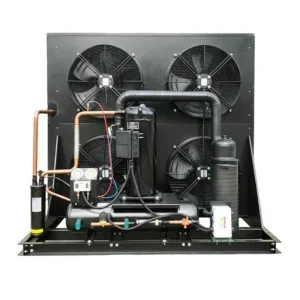
- 380 V
- 20kw(26.82hp)
- 5-50HP
-
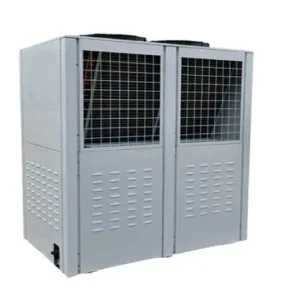
- 220V
- 29.7kw(39.83hp)
- R404
-
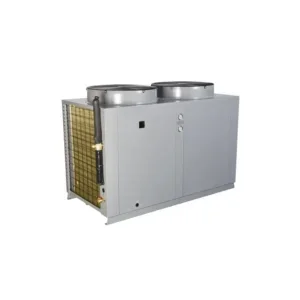
- 220 V
- R404A
-
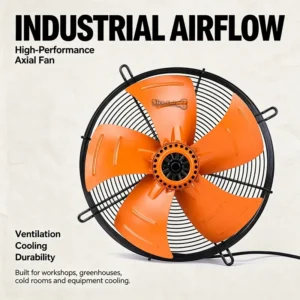
- Power Source Electric
- Material Metal
-
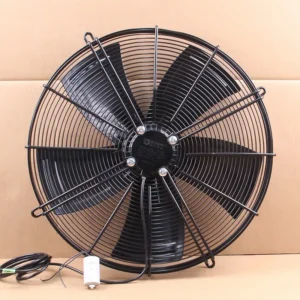
- 220V
- 9961m3/h
- Cooling Fan
-
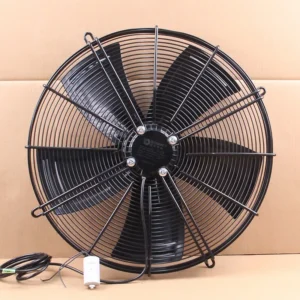
- 220V
- 9961m3/h
- Cooling Fan
-
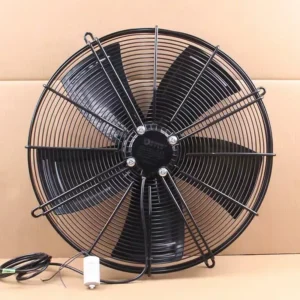
- 220V
- 9961m3/h
- Cooling Fan
-
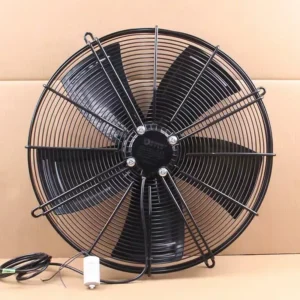
- 220V
- 9961m3/h
- Cooling Fan
-
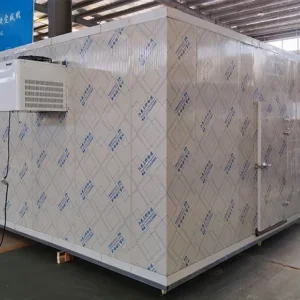
- 220v
- -22 BTU
- 1400w(1.88hp)
-
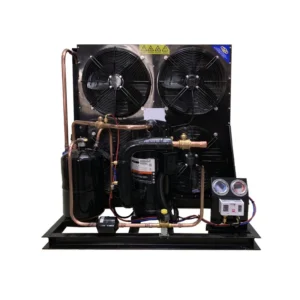
- 220 V
- R404a or r134a
-
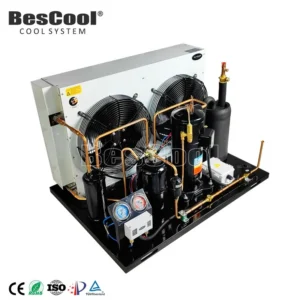
- 220V/380V
- 2HP~15HP
- R404A
-
- AC 220V~240V
- 10 W
- R-410A
Questions buyers ask
How much ice does a fish counter need per day?
Why does a fish counter need refrigeration if it is displayed on ice?
What fails most often at a fish counter?
Related applications
Tell us about your fresh fish & seafood counter project
Send the duty and site conditions and we will come back with matched equipment, price and lead time from the manufacturers listed here — usually within one working day.