
The hottest, most humid room in the building, running long hours out of sight — and the one whose extract failure shows up as damp corridors two floors away.
- 2,540products across this application
- 849verified manufacturers
- 5equipment groups
WhatHeat, moisture and lint together
An on-premise laundry runs washers, tumble dryers and flatwork ironers, all releasing heat and moisture into a back-of-house room that rarely has generous ventilation. Dryers need dedicated extract to atmosphere; ironers release large amounts of steam into the room; and everything in the airstream carries lint.
WhoWho buys it
Hotels operating their own laundry, healthcare and care facilities, commercial laundries serving hospitality, and the contractors fitting out back-of-house areas.
WhyWhy it becomes a building problem
A laundry that cannot get rid of its moisture pushes it into the rest of the building. Humid air migrates along corridors and into service risers, condenses on cool surfaces, and produces damp and mould complaints in areas nobody connects to the laundry. Meanwhile lint accumulating in dryer ductwork is a well-documented fire risk, and a hot lint-laden duct is exactly the environment where a fire spreads unseen.
HowExtract at source, replace what leaves
Duct each dryer directly to atmosphere — sharing a duct between dryers causes back-pressure that lengthens drying cycles and pushes moist air into the room. Extract ironer steam locally rather than letting it fill the space. Provide dedicated make-up air; without it dryers starve, cycles lengthen, and the room pulls air from the corridor. Design the lint path for cleaning access at every bend, and treat that cleaning as a fire safety task with a schedule. Then look at recovery: laundry extract is hot, continuous, and one of the better heat sources in a hotel.
Equipment this application needs
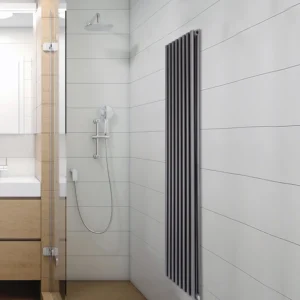 Dryer & ironer extract
Centrifugal Fans702
High-temperature construction handling lint-laden air at real duct resistance.
Dryer & ironer extract
Centrifugal Fans702
High-temperature construction handling lint-laden air at real duct resistance.
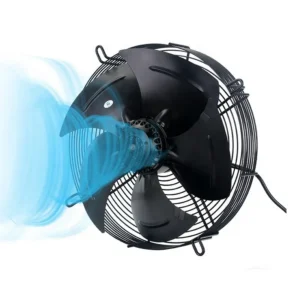 Make-up air
Axial Flow Fans672
Replacement air so dryers do not starve and the room stays out of negative pressure.
Make-up air
Axial Flow Fans672
Replacement air so dryers do not starve and the room stays out of negative pressure.
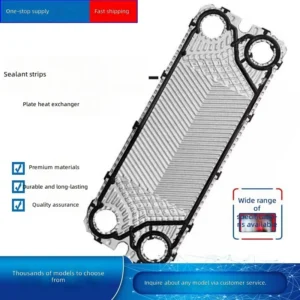 Heat recovery
Heat Exchangers362
Hot continuous extract with an obvious use — preheating laundry hot water.
Heat recovery
Heat Exchangers362
Hot continuous extract with an obvious use — preheating laundry hot water.
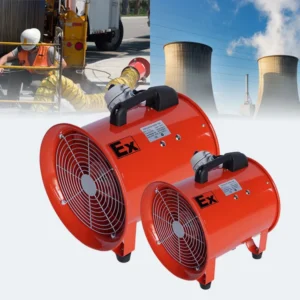 General room extract
Exhaust Fans134
Removing the residual heat and moisture that escapes local capture.
General room extract
Exhaust Fans134
Removing the residual heat and moisture that escapes local capture.
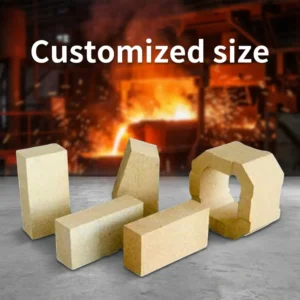 Steam & hot water
Boilers and Parts468
Steam for ironers and hot water for washers, sized on the laundry’s own peak.
Steam & hot water
Boilers and Parts468
Steam for ironers and hot water for washers, sized on the laundry’s own peak.
What to check before you order
- High Temperature 335
- Dryer extract runs hot for the whole operating day.
- Industrial Grade 1,232
- Long-hours duty with lint fouling and limited maintenance access.
- Heat Recovery 78
- Continuous hot extract next to a continuous hot water demand — an unusually good match.
- Corrosion Resistant 220
- Humidity plus detergent and bleach carryover.
- 380V 1,913
- Three-phase for commercial laundry equipment.
Products for this application
-
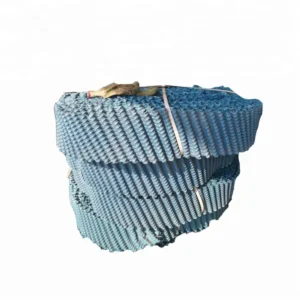
Cooling Tower, PVC, FRP
$2.20- Cooling Capacity 100T
- 5.5kw(7.38hp)
- PVC or FRP
-
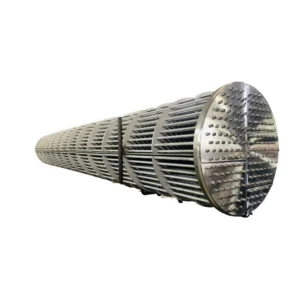
Removable Tube, 220v, Stainless Steel
$1,988.00- Stainless Steel
-
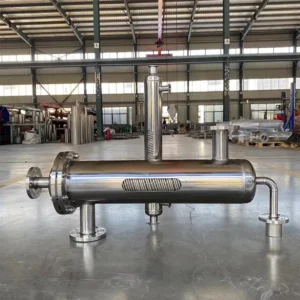
- 220V/380V
- Stainless Steel
-
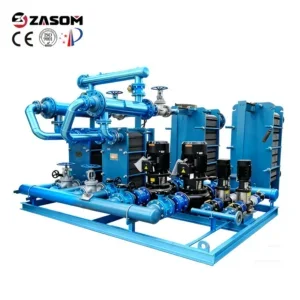
- 220 V
- Stainless Steel
-
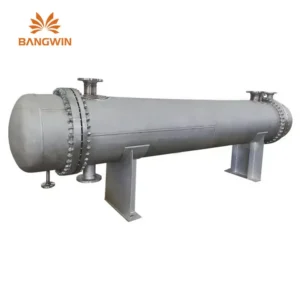
- Stainless Steel
-
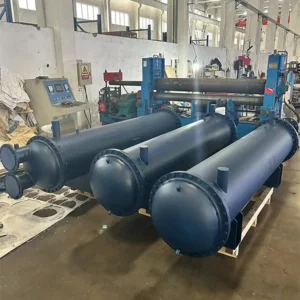
- 220V/380V
- Stainless Steel
-
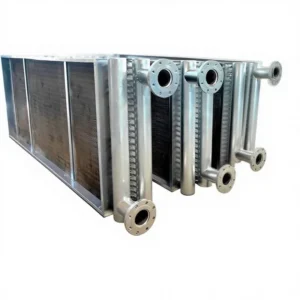
- Carbon Steel
-
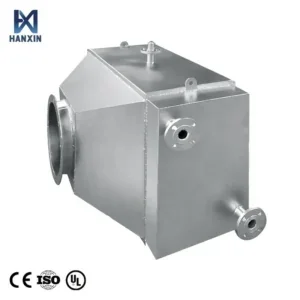
- 220 V
-
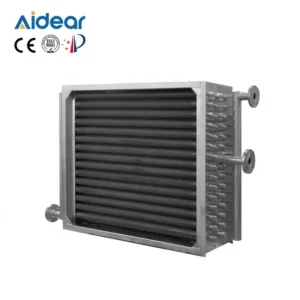
- 220V-420V
-
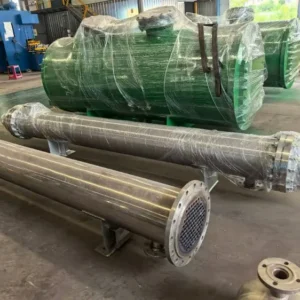
- Stainless Steel
-
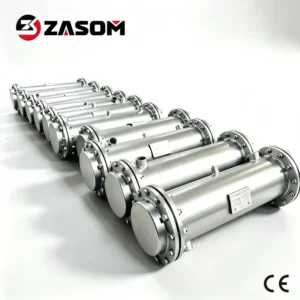
- 220 V
- Stainless Steel
-
- 220V~420V
Questions buyers ask
Can several dryers share one extract duct?
Why does the laundry cause damp problems elsewhere in the hotel?
How serious is lint in dryer ductwork?
Related applications
Tell us about your hotel laundry ventilation project
Send the duty and site conditions and we will come back with matched equipment, price and lead time from the manufacturers listed here — usually within one working day.