
Condensing packs, unit coolers, back-of-house cold rooms and ice — for a building that runs several temperature regimes at once and spends more electricity on refrigeration than on anything else.
- 858products across this application
- 351verified manufacturers
- 6equipment groups
WhatSeveral temperature regimes in one shop
Food retail refrigeration means running several temperature regimes simultaneously in one building: chilled display around +2 to +4 °C, frozen display at −18 to −21 °C, back-of-house cold and freezer rooms, and ice for fresh fish and produce. Systems are either centralised — one machine room feeding the whole shop through long pipe runs — or distributed, with self-contained plug-in cabinets.
WhoWho buys retail refrigeration
Retail chains with a standard store specification, franchise operators, convenience store developers, and the refrigeration contractors who install and maintain the estate. Chains buy to a repeat specification across many sites, which makes consistency and spares availability worth more than unit price.
WhereWhy small formats changed the equipment
Worldwide, with the fastest growth in small-format convenience and discount stores. The small format has changed what gets bought: it favours plug-in self-contained cabinets over central plant, because there is no machine room and no site pipework to commission.
WhenOpenings, remodels and refrigerant deadlines
At new store openings, at remodel cycles that typically come around every seven years or so, and — increasingly the largest driver in regulated markets — at refrigerant transition deadlines that force replacement of otherwise serviceable equipment.
WhyThe store's largest controllable cost
Refrigeration is normally 40–60% of a supermarket's total electricity consumption, which makes it the single largest operating cost the store can actually influence. On top of that sits regulatory pressure: high-GWP refrigerants such as R404A are being phased down, pushing new installations towards R290 hydrocarbons for self-contained cabinets and transcritical CO₂ for central plant.
HowCentral packs versus plug-in cabinets
Decide the architecture first, because everything else follows from it. Central packs give the best efficiency at scale and keep heat and noise out of the shop, but need a machine room, long pipe runs and a large refrigerant charge that will leak over time. Distributed R290 plug-ins eliminate field pipework and leakage entirely and are far quicker to install, at the cost of rejecting their heat into the sales floor — which the shop's air conditioning then has to remove. For anything mid-sized, model both before committing.
Equipment this application needs
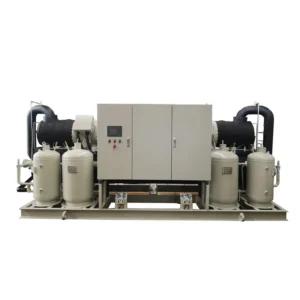 Refrigeration packs
Condensing Units427
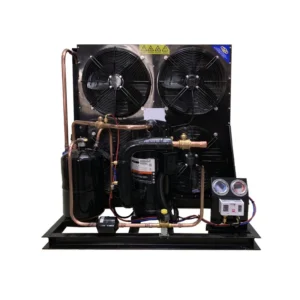
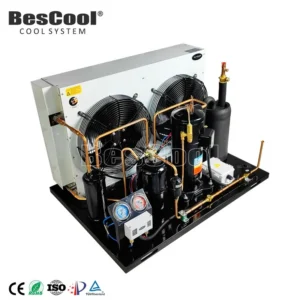
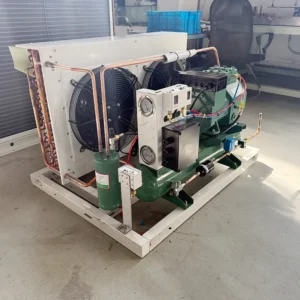
Central or remote packs serving display cases and cold rooms. Suction group arrangement decides how efficiently mixed temperature regimes run.
Refrigeration packs
Condensing Units427
Central or remote packs serving display cases and cold rooms. Suction group arrangement decides how efficiently mixed temperature regimes run.
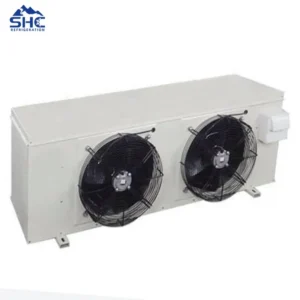 Cabinet & room coils
Evaporators74
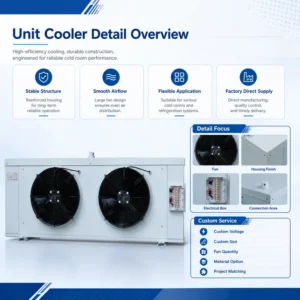
Unit coolers for back-of-house rooms and coil packs for display cases.
Cabinet & room coils
Evaporators74
Unit coolers for back-of-house rooms and coil packs for display cases.
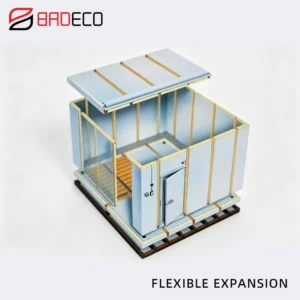 Back-of-house rooms
Cold Room Storage74
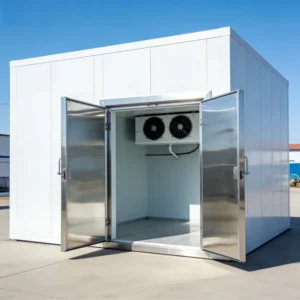
Chilled and frozen storage behind the shop floor, which buffers deliveries and controls stock rotation.
Back-of-house rooms
Cold Room Storage74
Chilled and frozen storage behind the shop floor, which buffers deliveries and controls stock rotation.
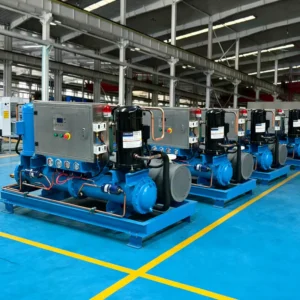 Secondary systems
Chilling Equipment88
Chillers and glycol loops for indirect systems that keep refrigerant charge confined to the machine room.
Secondary systems
Chilling Equipment88
Chillers and glycol loops for indirect systems that keep refrigerant charge confined to the machine room.
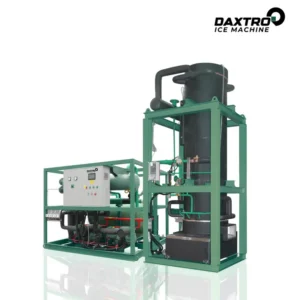 Fresh counter ice
Ice Machines75
Fish, seafood and produce display. Capacity is set by peak morning demand, not daily average.
Fresh counter ice
Ice Machines75
Fish, seafood and produce display. Capacity is set by peak morning demand, not daily average.
 Controls & spares
Refrigeration & Heat Exchange Parts120
Electronic expansion valves, controllers and case parts — an estate lives or dies on spares availability.
Controls & spares
Refrigeration & Heat Exchange Parts120
Electronic expansion valves, controllers and case parts — an estate lives or dies on spares availability.
What to check before you order
- R290 Refrigerant 117
- The mainstream answer for new self-contained cabinets: very low GWP, high efficiency, charge-limited by design.
- R404A Refrigerant 318
- The existing installed base. Still supported, but phasing down in regulated markets.
- DC Inverter 329
- Variable-speed compressors matching the real load instead of cycling on and off against it.
- Energy Saving 861
- Refrigeration dominates the store's electricity bill, so efficiency is the whole business case.
- Stainless Steel 1,488
- Food-contact and cleanable surfaces throughout.
Products for this application
-
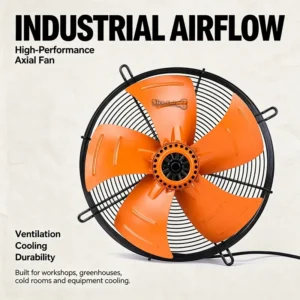
- Power Source Electric
- Material Metal
-
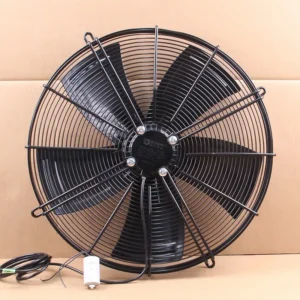
- 220V
- 9961m3/h
- Cooling Fan
-
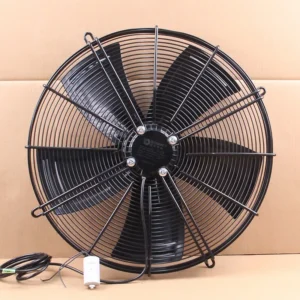
- 220V
- 9961m3/h
- Cooling Fan
-
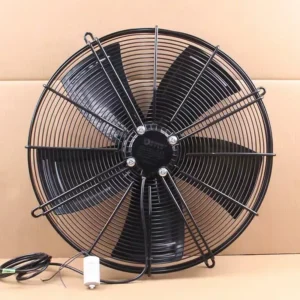
- 220V
- 9961m3/h
- Cooling Fan
-
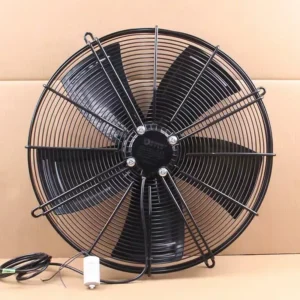
- 220V
- 9961m3/h
- Cooling Fan
-
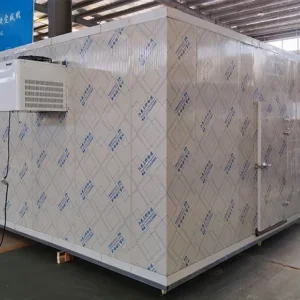
- 220v
- -22 BTU
- 1400w(1.88hp)
-
- 220 V
- R404a or r134a
-
- 220V/380V
- 2HP~15HP
- R404A
-
- AC 220V~240V
- 10 W
- R-410A
-
- 380 V
- Power Source Electric
-
- Material PVC
-
- 220v
- Power Of Fan 4*135
- R404A
Questions buyers ask
Central pack or self-contained plug-in cabinets?
Why are supermarkets moving to R290?
How much of a store's electricity does refrigeration use?
Related applications
Tell us about your supermarket & food retail refrigeration project
Send the duty and site conditions and we will come back with matched equipment, price and lead time from the manufacturers listed here — usually within one working day.