
Cold storage for a product that is wet, salty and handled constantly — where the corrosion problem is as serious as the refrigeration one.
- 718products across this application
- 271verified manufacturers
- 5equipment groups
WhatColder, wetter, and harder on equipment
Seafood storage generally runs colder than general frozen food — commonly −25 °C and often −30 °C for tuna and long-term holding — because fat oxidation continues at higher temperatures and shows up as rancidity. The rooms are also washed down constantly and the air carries salt, which is what makes them so hard on equipment.
WhoWho buys it
Fishery and aquaculture processors, port cold stores, seafood exporters, and the refrigeration contractors serving harbour infrastructure. Frequently the same buyer needs blast freezing, storage and ice production together.
WhyWhy standard coils fail early here
Aluminium fins in a salt-laden, permanently damp room corrode far faster than in a general food store, and the corrosion is not cosmetic: it destroys the fin-to-tube bond, which collapses heat transfer long before the coil leaks. A room that quietly loses capacity gets blamed on the compressor, and the pack gets replaced when the problem was the coil.
HowSpecifying for the environment
Start with coil protection — coated or non-ferrous coils, stainless or protected casings, and drip trays that actually drain rather than holding brine. Size for the lower temperature band, remembering that pack capacity falls as evaporating temperature drops, so a unit rated at −20 °C will not deliver the same duty at −30 °C. Then plan ice supply alongside storage: most seafood operations need both.
Equipment this application needs
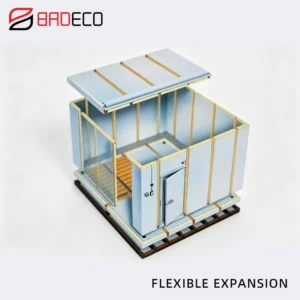 Low-temperature rooms
Cold Room Storage74
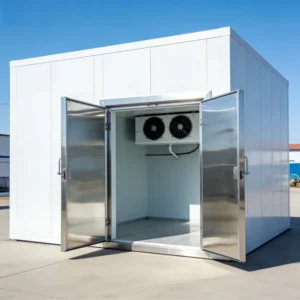
Panel rooms specified for −25 to −30 °C with washdown-resistant floors and door hardware.
Low-temperature rooms
Cold Room Storage74
Panel rooms specified for −25 to −30 °C with washdown-resistant floors and door hardware.
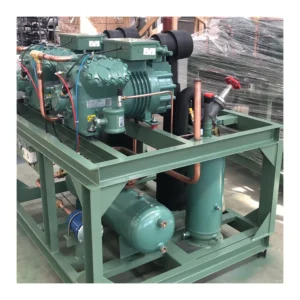 Low-temperature packs
Condensing Units429
Rated at the actual evaporating temperature — capacity falls sharply below −20 °C.
Low-temperature packs
Condensing Units429
Rated at the actual evaporating temperature — capacity falls sharply below −20 °C.
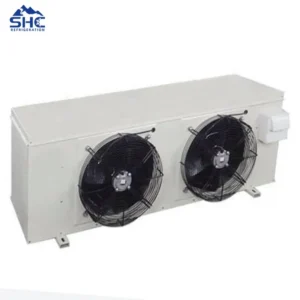 Protected coils
Evaporators74
Coated or non-ferrous coils. This is the component that decides whether the room lasts five years or fifteen.
Protected coils
Evaporators74
Coated or non-ferrous coils. This is the component that decides whether the room lasts five years or fifteen.
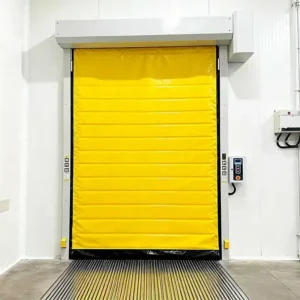 Blast & plate freezing
Freezing Equipment66
Freezing catch quickly is what preserves texture; storage capacity alone cannot do it.
Blast & plate freezing
Freezing Equipment66
Freezing catch quickly is what preserves texture; storage capacity alone cannot do it.
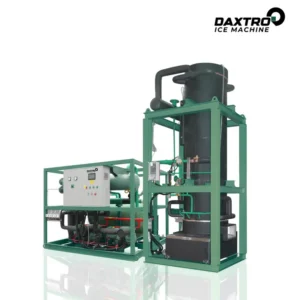 Flake & slurry ice
Ice Machines75
Handling and display ice, sized on peak landing volume rather than daily average.
Flake & slurry ice
Ice Machines75
Handling and display ice, sized on peak landing volume rather than daily average.
What to check before you order
- Corrosion Resistant 266
- Salt plus permanent damp. The single most important specification in this scenario.
- Stainless Steel 2,107
- Grade 316 for exposed hardware — 304 will show corrosion within a season near salt water.
- R404A Refrigerant 455
- Widely serviceable for low-temperature duty.
- Ammonia / R717 39
- Standard for large port and processing plant.
- 380V 2,141
- Three-phase for processing-scale refrigeration.
Products for this application
-
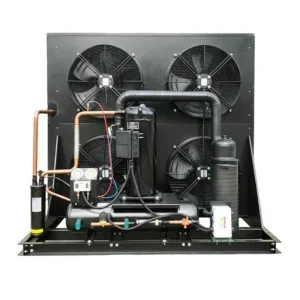
- 380 V
- 20kw(26.82hp)
- 5-50HP
-
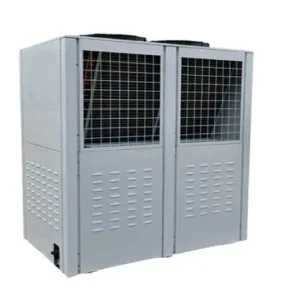
- 220V
- 29.7kw(39.83hp)
- R404
-
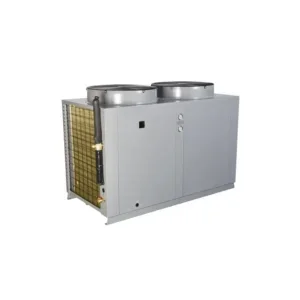
- 220 V
- R404A
-
- Power Source Electric
- Material Metal
-
- 220V
- 9961m3/h
- Cooling Fan
-
- 220V
- 9961m3/h
- Cooling Fan
-
- 220V
- 9961m3/h
- Cooling Fan
-
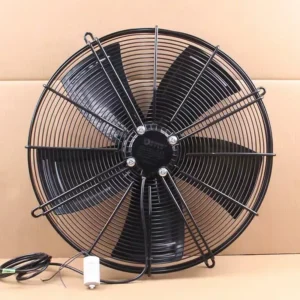
- 220V
- 9961m3/h
- Cooling Fan
-
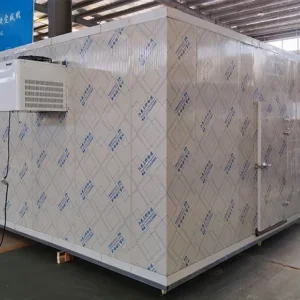
- 220v
- -22 BTU
- 1400w(1.88hp)
-
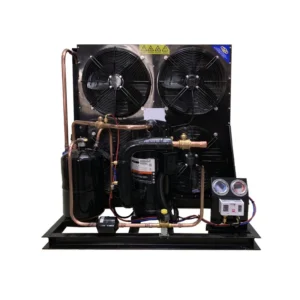
- 220 V
- R404a or r134a
-
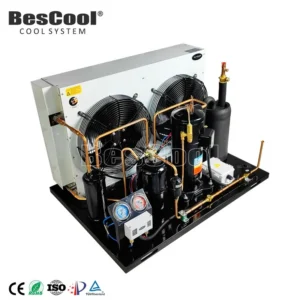
- 220V/380V
- 2HP~15HP
- R404A
-
- AC 220V~240V
- 10 W
- R-410A
Questions buyers ask
What temperature should a seafood cold store run at?
Why do evaporator coils fail so quickly in seafood rooms?
Do I need separate blast freezing as well as storage?
Related applications
Tell us about your fish & seafood cold storage project
Send the duty and site conditions and we will come back with matched equipment, price and lead time from the manufacturers listed here — usually within one working day.