
The component that decides a cleanroom’s classification, its energy bill and its noise — and the one most often chosen on unit price.
- 2,806products across this application
- 841verified manufacturers
- 5equipment groups
WhatThe building block of modular cleanrooms
A fan filter unit combines a fan, a HEPA or ULPA filter and its controls in one ceiling module. Fitting them across a ceiling grid produces the air change rate a classification requires without a central air handling plant and its ductwork. Modern units carry EC motors with speed control and, on better designs, closed-loop constant-volume control.
WhoWho buys it
Cleanroom construction companies, pharmaceutical and electronics manufacturers extending or reconfiguring rooms, laboratory fit-out contractors, and equipment integrators building enclosed process cells.
WhyWhy unit price is the wrong criterion
An FFU runs continuously for the life of the room, so its energy consumption over ten years dwarfs the purchase price difference between a cheap unit and a good one — often by an order of magnitude across a ceiling of a hundred units. Two other consequences follow the same choice: noise, since a hundred units above people working full shifts is a real occupational issue, and classification stability, since a unit without constant-volume control silently loses airflow as its filter loads.
HowComparing units properly
Compare power consumption at the airflow you actually need, not at the unit’s best point — datasheet figures are frequently quoted at a convenient operating point. Insist on closed-loop constant volume rather than open-loop speed setting, so classification survives filter loading. Check sound power at the operating duty, and multiply it by the number of units in the ceiling. Then confirm the filter is a standard size available from more than one supplier, because you will be buying replacements for as long as the room exists.
Equipment this application needs
 FFU fan sections
Centrifugal Fans702
EC plug fans — efficiency here multiplies across every unit in the ceiling.
Room extract & balance
Ventilation Fans2,163
Extract maintaining the pressure cascade the FFUs supply into.
FFU fan sections
Centrifugal Fans702
EC plug fans — efficiency here multiplies across every unit in the ceiling.
Room extract & balance
Ventilation Fans2,163
Extract maintaining the pressure cascade the FFUs supply into.
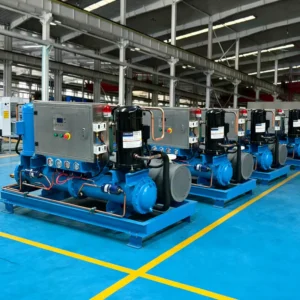 Make-up air conditioning
Chilling Equipment88
FFUs recirculate; conditioning and dehumidification happen on the make-up air path.
Make-up air conditioning
Chilling Equipment88
FFUs recirculate; conditioning and dehumidification happen on the make-up air path.
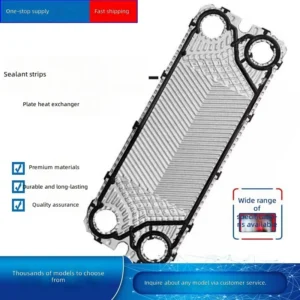 Energy recovery
Heat Exchangers362
Recovering from the exhaust that high air change rates necessarily generate.
Energy recovery
Heat Exchangers362
Recovering from the exhaust that high air change rates necessarily generate.
 Filters & spares
Ventilation Fan Parts261
Filters are consumables — check the size is standard and multi-sourced before committing.
Filters & spares
Ventilation Fan Parts261
Filters are consumables — check the size is standard and multi-sourced before committing.
What to check before you order
- EC Motor 204
- The single most consequential specification, multiplied by every unit in the ceiling.
- Variable Speed 106
- Closed-loop constant volume, not open-loop speed setting.
- Low Noise 654
- A hundred units above people working full shifts is an occupational exposure question.
- Energy Saving 1,205
- Ten years of continuous running dwarfs any purchase price difference.
- Stainless Steel 2,070
- Cleanable, non-shedding housing suited to the room classification.
Products for this application
-
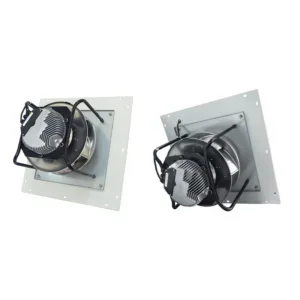
- 220 V
- Stainless Steel
-
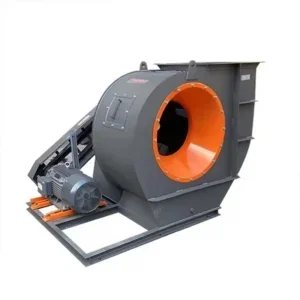
- 380V
- Carbon Steel
- 1500 RPM
-
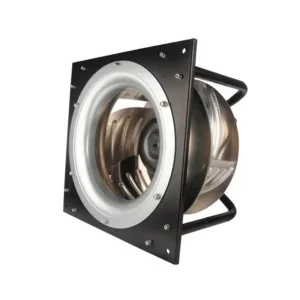
- 230 V
- Blade Material Plastic
- 2150RPM
-
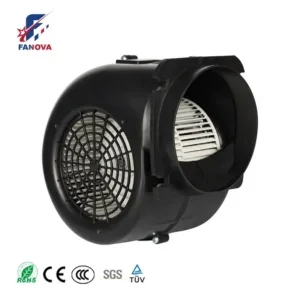
- 230 V
- 146mm
- Corded Electric
-
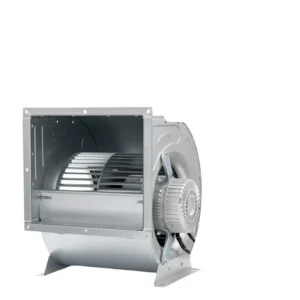
- 220 V
- 10 inch
- Galvanized Steel
-
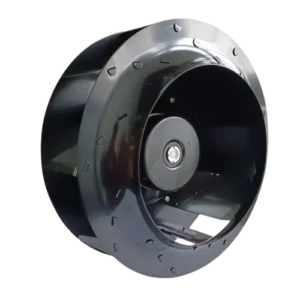
- 220V~480V
- Blade Material iorn
-
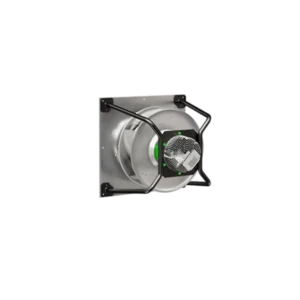 View & Inquire
Plug Exhaust Fan, K3G400-AQ23-01, Axial
$1,182.40 -
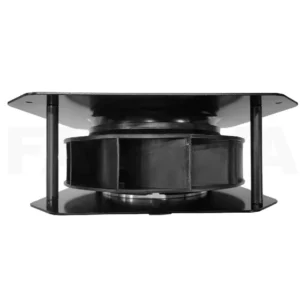
- 219-11600 m³/h
- Aluminum Alloy
-
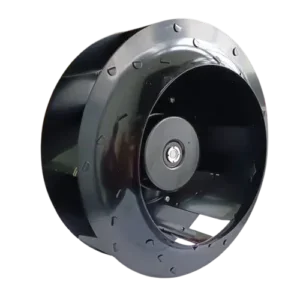
- 220V~480V
- Blade Material iorn
-
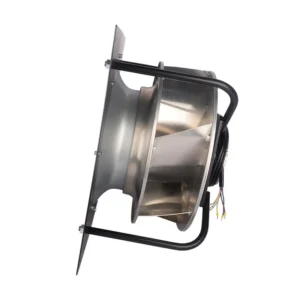
- 440 V
- Corded Electric
- Aluminum Alloy
-
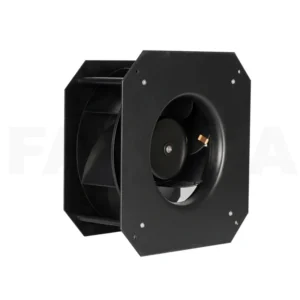
- 219-11600 m³/h
- Aluminum Alloy
-
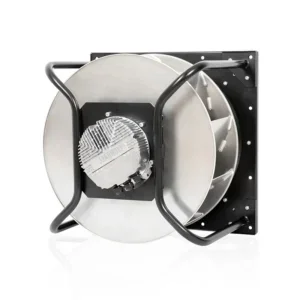
Centrifugal Fan, 2700cfm, 355mm
$124.40- 230 V
- Corded Electric
- 1550 RPM
Questions buyers ask
What is the difference between constant-volume and speed-set FFUs?
How much does FFU efficiency actually matter?
How is FFU noise assessed?
Related applications
Tell us about your fan filter unit selection project
Send the duty and site conditions and we will come back with matched equipment, price and lead time from the manufacturers listed here — usually within one working day.