

Ventilation designed around an open wound: clean air delivered over the surgical field, pressure cascades that keep contamination out, and equipment that must never stop mid-procedure.
- 27,766products across this application
- 4,133verified manufacturers
- 5equipment groups
WhatClean air where it matters most
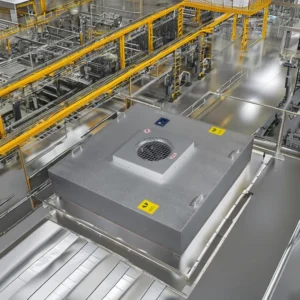
A theatre ventilation system delivers filtered air over the surgical field, dilutes and removes airborne contamination generated by the surgical team, holds temperature and humidity within a range that suits both patient and staff, and scavenges anaesthetic gases. Ultra-clean theatres for joint replacement add a laminar flow canopy delivering unidirectional air directly over the wound and instrument trays.
WhoWho buys it
Hospitals and surgical centres, healthcare construction contractors, medical equipment integrators, and the validation engineers who commission and periodically re-verify theatres.
WhyWhy pressure and continuity are non-negotiable
Theatres are held positive relative to adjacent corridors and preparation rooms so that air always flows outward and contamination never migrates in. That cascade must survive doors opening during a procedure, which is when it is most likely to fail and least likely to be noticed. And the system cannot simply stop: a theatre with a patient open on the table has no tolerance for a ventilation failure, which makes redundancy and maintainability part of the clinical safety case rather than an engineering preference.
HowSpecifying for verification and for use
Design the pressure cascade explicitly for each room in the suite and provide control responsive enough to hold it while doors are used. Size air change rates to the standard applying in your jurisdiction, which is prescriptive here rather than a matter of judgement. Provide redundancy that allows maintenance without closing the theatre — theatre downtime is enormously expensive. And specify equipment whose performance can be verified repeatedly, because theatres are re-validated on a schedule for as long as they operate.
Equipment this application needs
 Theatre air handling
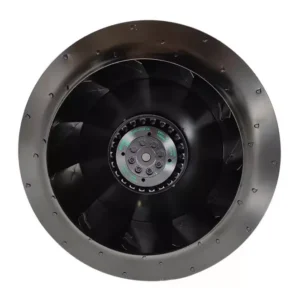
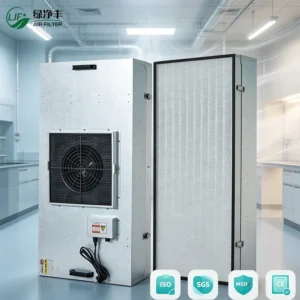
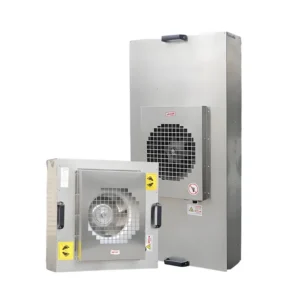
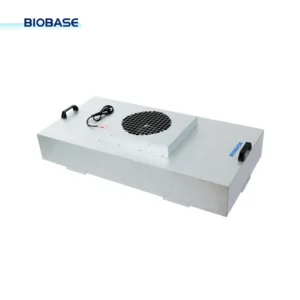
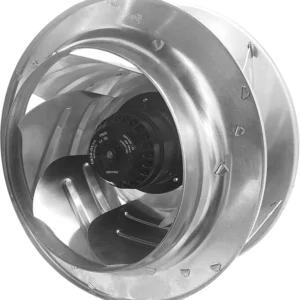
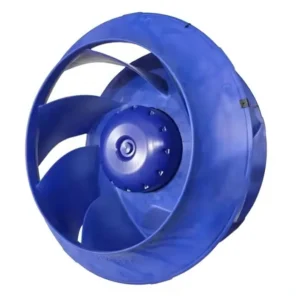
Centrifugal Fans11,344
HEPA-terminal supply units with the redundancy a clinical space requires.
Theatre air handling
Centrifugal Fans11,344
HEPA-terminal supply units with the redundancy a clinical space requires.
 Temperature & humidity
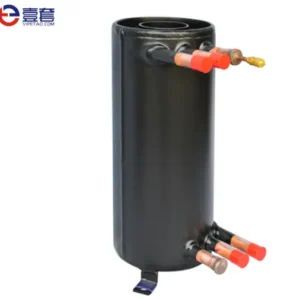
Chilling Equipment939
Close control across a range wide enough to suit both patient and gowned surgical team.
Extract & gas scavenging
Ventilation Fans25,793
Maintaining the cascade and removing anaesthetic gases from the breathing zone.
Temperature & humidity
Chilling Equipment939
Close control across a range wide enough to suit both patient and gowned surgical team.
Extract & gas scavenging
Ventilation Fans25,793
Maintaining the cascade and removing anaesthetic gases from the breathing zone.
 Energy recovery
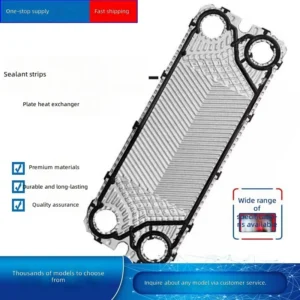
Heat Exchangers364
High air change rates run continuously; recovery without any cross-contamination path.
Energy recovery
Heat Exchangers364
High air change rates run continuously; recovery without any cross-contamination path.
 Controls & monitoring
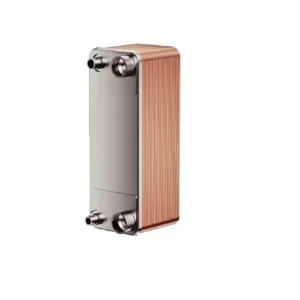
Refrigeration & Heat Exchange Parts670
Pressure sensing, alarms and instrumentation that validation can be evidenced against.
Controls & monitoring
Refrigeration & Heat Exchange Parts670
Pressure sensing, alarms and instrumentation that validation can be evidenced against.
What to check before you order
- Stainless Steel 12,508
- Wipe-down, non-shedding surfaces suited to clinical cleaning agents.
- Low Noise 4,912
- Surgical teams communicate continuously; noise is a clinical safety issue, not comfort.
- Variable Speed 2,411
- Holding the cascade while doors are used, and setting back unoccupied theatres.
- EC Motor 2,500
- Efficient, controllable, and able to hold constant volume as filters load.
- Energy Saving 5,353
- Theatres run high air change rates continuously; setback of unused theatres is a large saving.
Products for this application
-

- 220V/110V
- 1000-2000 m3h
- 0.16 W
-
- 5V-500V
- Power Source Electric
- Carbon Steel
-
- Size 1175*575*320
- Material Textile
-

- 380 V
- Stainless Steel
- 2800 rpm
-
- Customized Size
- 220V/50Hz
- Material SUS304
-

- 230 V
- Blade Material Plastic
-
View & Inquire
-

- 135W
- Air Flow 1100CMH
- Material Galvalume
-
- 380 V
- Aluminum Alloy
- 1350RPM
-
- 400V
- Stainless Steel
-
- Material Fiberglass
-

- 220V 50Hz 0.75KW
- 1000-2000 M3h
Questions buyers ask
Does every operating theatre need laminar flow?
Why must a theatre be positively pressurised?
Can theatre ventilation be maintained without closing the theatre?
Related applications
Tell us about your hospital operating theatre ventilation project
Send the duty and site conditions and we will come back with matched equipment, price and lead time from the manufacturers listed here — usually within one working day.