
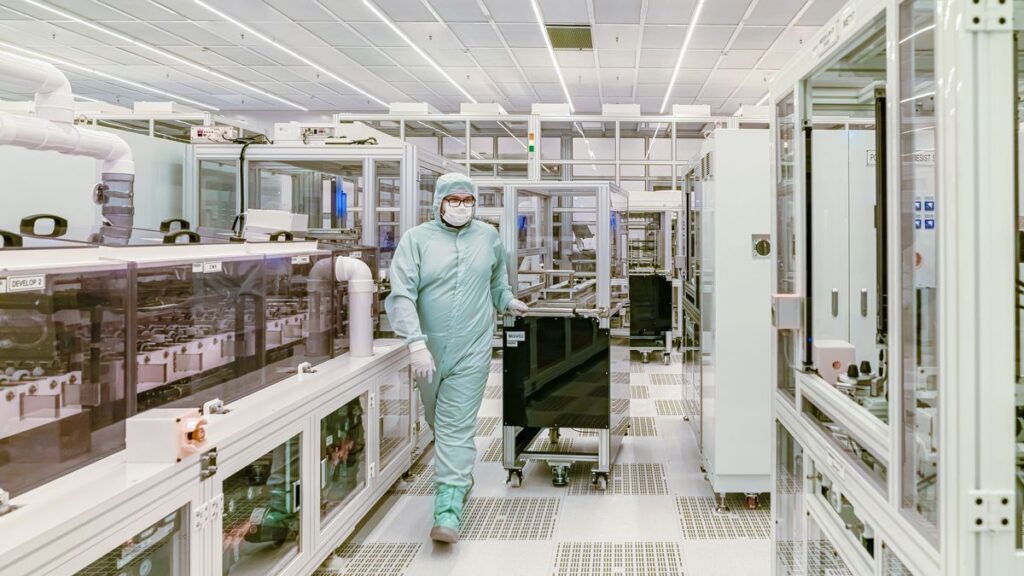
The tightest air specification in industry: particle counts orders of magnitude below pharmaceutical cleanrooms, plus temperature, humidity and airborne chemical control.
- 27,444products across this application
- 4,033verified manufacturers
- 5equipment groups
WhatBeyond particle count alone
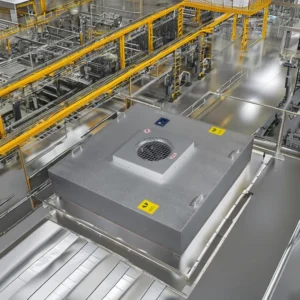
Semiconductor cleanrooms work to ISO 5 and below, with unidirectional flow over the critical process. On top of particle control they hold temperature within a fraction of a degree for lithography stability, control humidity tightly for electrostatic and process reasons, and filter airborne molecular contamination that would be irrelevant in any other cleanroom.
WhoWho buys it
Semiconductor fabs and packaging plants, display and photovoltaic manufacturers, precision electronics assembly, and the specialist cleanroom contractors and validation engineers who deliver them.
WhyWhy fan energy dominates the facility
The air change rates required at these classifications are extraordinary — hundreds of changes per hour with unidirectional flow over critical zones. Recirculation fan power becomes one of the largest single loads in the entire facility, which is why fan efficiency and static pressure minimisation are treated as first-order design decisions rather than optimisations. A small improvement in fan efficiency at this scale outweighs almost anything else available.
HowDesigning for constancy
Prioritise fan efficiency and low system resistance throughout the recirculation path — every pascal of unnecessary pressure drop is paid for continuously for the life of the fab. Use EC drives under closed-loop control so airflow stays constant as terminal filters load, because classification depends on flow rather than on fan speed. Hold temperature and humidity with far tighter control than comfort systems attempt, and add molecular filtration where the process demands it. Then design for maintenance without breaking classification: filter changes and fan replacement have to happen in a running fab.
Equipment this application needs
 Recirculation & FFU
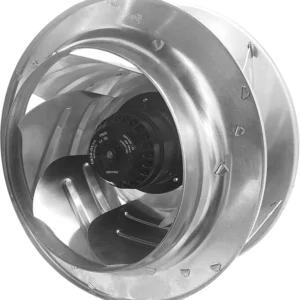
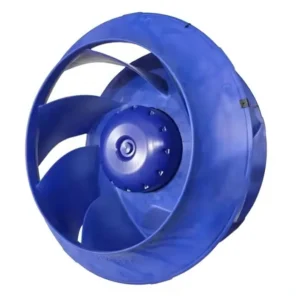
Centrifugal Fans11,344
EC plug fans in fan filter units — the dominant energy load in the whole facility.
Recirculation & FFU
Centrifugal Fans11,344
EC plug fans in fan filter units — the dominant energy load in the whole facility.
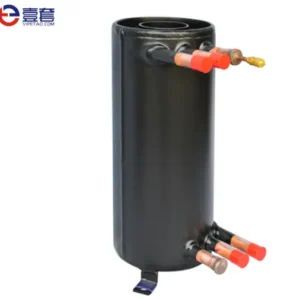 Close temperature & humidity
Chilling Equipment939
Fractional-degree stability with the reheat and humidification that implies.
Close temperature & humidity
Chilling Equipment939
Fractional-degree stability with the reheat and humidification that implies.
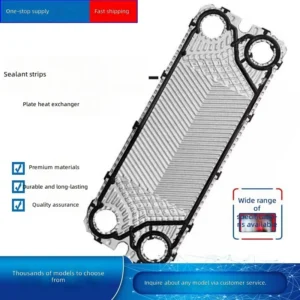 Energy recovery
Heat Exchangers364
Recovering from the large exhaust volumes without any risk of cross-contamination.
Energy recovery
Heat Exchangers364
Recovering from the large exhaust volumes without any risk of cross-contamination.
 Heat rejection
Dry Cooler348
Rejecting process and cooling load, with free cooling for much of the year.
Process exhaust
Ventilation Fans25,793
Dedicated exhaust for process chemistry, kept entirely separate from the recirculation path.
Heat rejection
Dry Cooler348
Rejecting process and cooling load, with free cooling for much of the year.
Process exhaust
Ventilation Fans25,793
Dedicated exhaust for process chemistry, kept entirely separate from the recirculation path.
What to check before you order
- EC Motor 2,500
- At hundreds of air changes per hour, fan efficiency is the facility’s largest energy lever.
- Variable Speed 2,411
- Closed-loop control holding flow constant as filters load.
- Stainless Steel 12,508
- Non-shedding, cleanable surfaces throughout the air path.
- Low Noise 4,912
- Vibration matters as much as noise — lithography tools are sensitive to both.
- Corrosion Resistant 2,232
- Process exhaust carries aggressive chemistry.
Products for this application
-

- 220V/110V
- 1000-2000 m3h
- 0.16 W
-
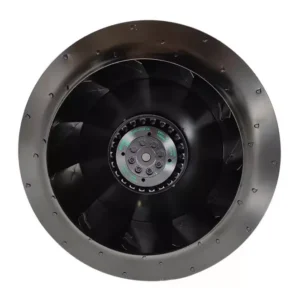
- 5V-500V
- Power Source Electric
- Carbon Steel
-
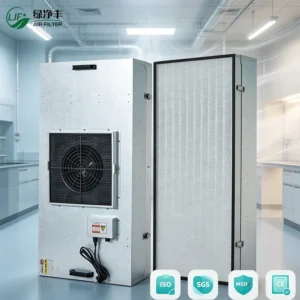
- Size 1175*575*320
- Material Textile
-

- 380 V
- Stainless Steel
- 2800 rpm
-
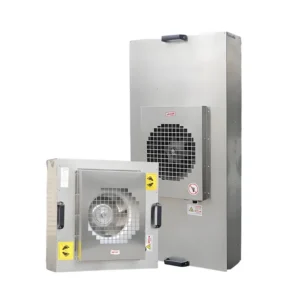
- Customized Size
- 220V/50Hz
- Material SUS304
-

- 230 V
- Blade Material Plastic
-
View & Inquire
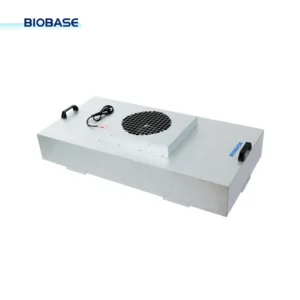
-

- 135W
- Air Flow 1100CMH
- Material Galvalume
-
- 380 V
- Aluminum Alloy
- 1350RPM
-
- 400V
- Stainless Steel
-
- Material Fiberglass
-

- 220V 50Hz 0.75KW
- 1000-2000 M3h
Questions buyers ask
How do semiconductor cleanrooms differ from pharmaceutical ones?
Why is fan efficiency such a large issue?
How is airflow kept constant as filters load?
Related applications
Tell us about your semiconductor & electronics cleanroom air project
Send the duty and site conditions and we will come back with matched equipment, price and lead time from the manufacturers listed here — usually within one working day.