
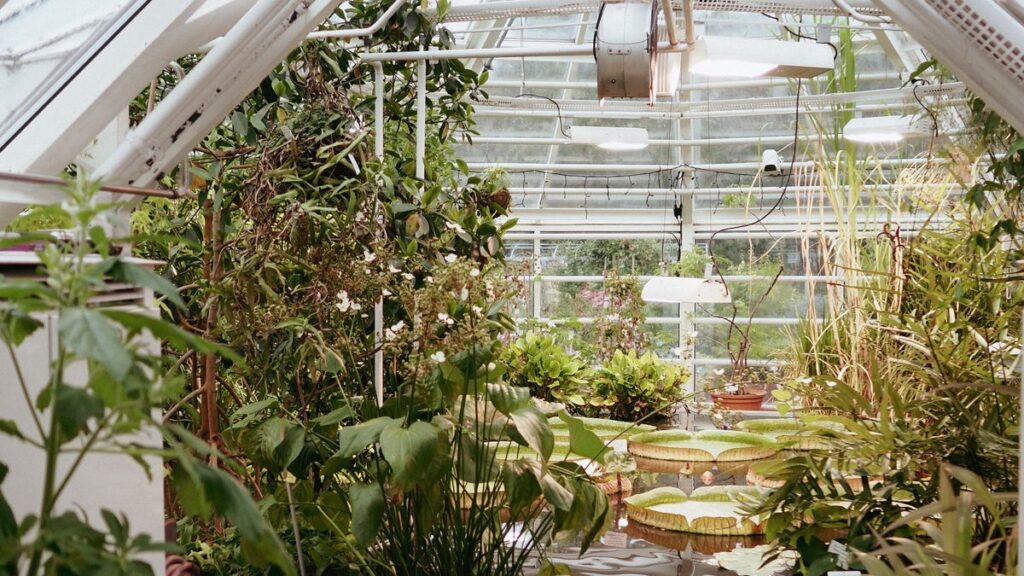
The standard way to cool a greenhouse in a hot dry climate — and a system whose performance is decided by pad face velocity and house length, not by fan size.
- 9,377products across this application
- 1,576verified manufacturers
- 5equipment groups
WhatPulling air through a wet wall
Exhaust fans at one end of the house draw air through a wetted cellulose pad wall at the other. Water evaporating from the pad cools the incoming air, and the whole house air volume is replaced roughly once a minute. In a dry climate the drop across the pad is genuinely useful — commonly 6–12 °C.
WhoWho buys it
Commercial vegetable and flower growers in hot climates, greenhouse constructors delivering turnkey houses, and agricultural contractors retrofitting cooling into existing structures.
WhyWhy long houses cool unevenly
The air warms as it travels from pad to fan, picking up solar and plant heat along the way. In a long house the crop at the fan end can be several degrees hotter than at the pad end, which shows up as uneven growth and harvest timing. This is a design consequence, not a fault: beyond roughly 60 m the temperature rise becomes hard to accept, and the answer is to split the house rather than add fans.
HowSizing pads and fans together
Size fans for one complete air change per minute at the static pressure the pad wall imposes — not free-air. Set the pad area from face velocity: too fast and air leaves the pad still dry and carries water droplets; too slow and the house cannot make its air change. Match water flow so the pad is evenly wetted top to bottom, since dry patches short-circuit uncooled air straight through. Then add circulation fans as a separate system, because they must run when the vents are shut and the pad system is off.
Equipment this application needs
 Exhaust fan bank
Axial Flow Fans6,332
Large-diameter units at the far end; rate them at pad-wall static pressure, never free-air.
Exhaust fan bank
Axial Flow Fans6,332
Large-diameter units at the far end; rate them at pad-wall static pressure, never free-air.
 Pad systems & portable units
Air Coolers659
Pad wall assemblies, and portable evaporative units for spot cooling and small houses.
Pad systems & portable units
Air Coolers659
Pad wall assemblies, and portable evaporative units for spot cooling and small houses.
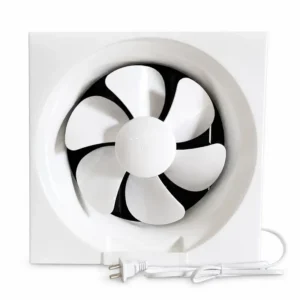 Night humidity purge
Exhaust Fans1,012
Removing moisture at night is what prevents condensation dripping on the crop at dawn.
Night humidity purge
Exhaust Fans1,012
Removing moisture at night is what prevents condensation dripping on the crop at dawn.
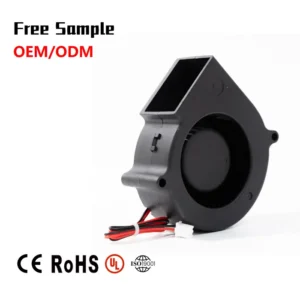 Horizontal airflow
Blowers820
Circulation between crop rows, running when the vents are shut and the pads are off.
Horizontal airflow
Blowers820
Circulation between crop rows, running when the vents are shut and the pads are off.
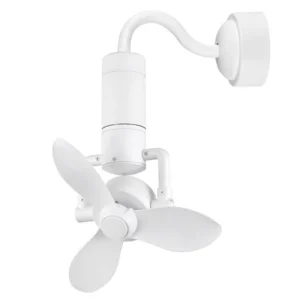 Shutters, belts & pumps
Ventilation Fan Parts554
Shutters that stick open in winter undo an entire season of heating.
Shutters, belts & pumps
Ventilation Fan Parts554
Shutters that stick open in winter undo an entire season of heating.
What to check before you order
- Corrosion Resistant 2,232
- Permanent humidity plus fertiliser and pesticide spray.
- IP55 / IP68 3,348
- Motors sitting in a wet, sprayed environment.
- Energy Saving 5,353
- Fan banks run for thousands of hours a season.
- 380V 15,604
- Three-phase for commercial-scale pad walls.
- Solar Powered 1,291
- Practical for remote houses and for keeping circulation running through outages.
Products for this application
-

- 380V
- 18000-50000m3/h
- Stainless Steel
-

- 220 V
- 2500m³/h
- Power Source Electric
-
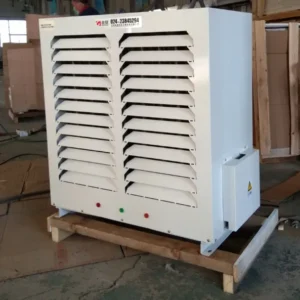
- 380V/50HZ
- Heating Capacity 6-40℃
- Power Source Electric
-

- 4000 m3/h
- Power Source Electric
- R410A
-

- DC 23~41V
- 48 in
- Power Source Solar
-

- 225 BTU
- Power Source Electric
- R454B
-
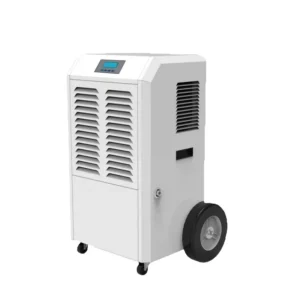
- 300 BTU
- Power Source Electric
- Refrigerant R410a/R290
-

- 120 V
- Size 4/5/6/8
- Power Source Electric
-
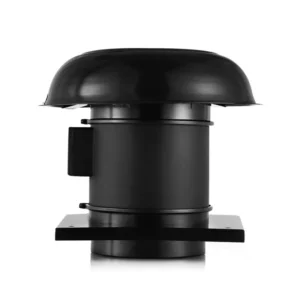
- 100-120V/220-240V
- Power Source Electric
- Material Plastic
-

- 380V/220V
- Power Source Electric
- Stainless Steel
-

- 220V 50HZ
- 9KG/H
- 900W
-

- 120 V
- 400 mm - 1530 mm
- Power Source Electric
Questions buyers ask
How much cooling does a fan and pad system deliver?
How long can a fan and pad greenhouse be?
Why do circulation fans need to be separate from the pad system?
Related applications
Tell us about your fan & pad evaporative cooling project
Send the duty and site conditions and we will come back with matched equipment, price and lead time from the manufacturers listed here — usually within one working day.