
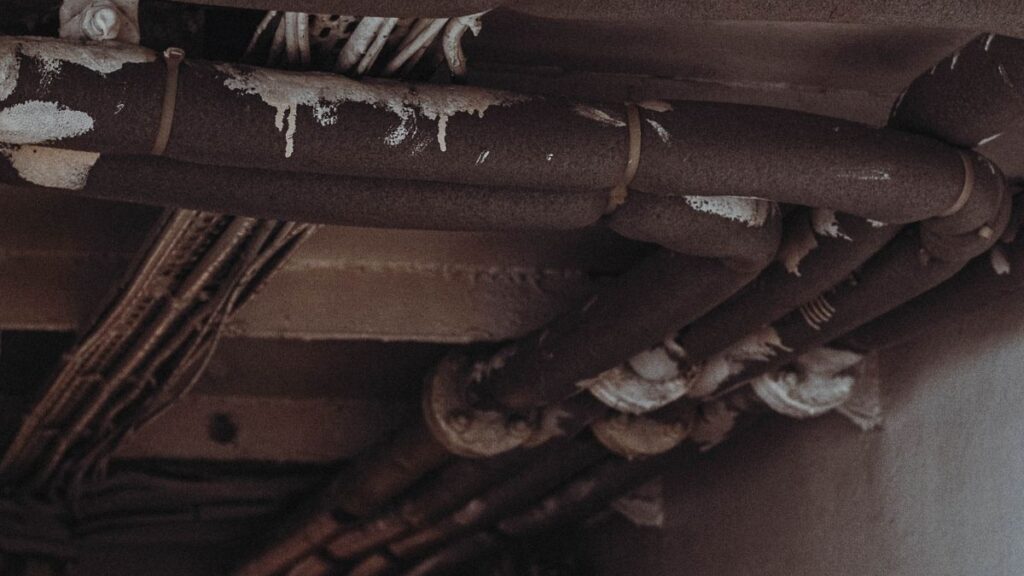
Supplying combustion air and removing machinery heat in a sealed steel compartment — where getting it wrong costs engine power before it ever becomes a comfort problem.
- 9,082products across this application
- 1,549verified manufacturers
- 5equipment groups
WhatTwo duties in one space
Machinery space ventilation does two jobs at once. It supplies the air the main and auxiliary engines burn — a large volume that must arrive regardless of conditions on deck — and it removes the heat those engines radiate into a sealed steel compartment. Both are sized together, because the same supply air does both jobs.
WhoWho buys it
Shipyards and naval architects, vessel operators and refit yards, offshore platform and workboat operators, and marine equipment suppliers.
WhyWhy underventilation shows up as lost power
An engine starved of combustion air loses output and its exhaust temperature rises, which is normally blamed on fuel or turbocharger condition long before anyone questions ventilation. Meanwhile the compartment temperature climbs, derating alternators and shortening the life of every electrical component in the space. The failure is gradual and misattributed, which is exactly what makes it persistent.
HowSizing supply first, then heat removal
Calculate combustion air from the installed engine power, then add the airflow needed to hold the compartment within its design temperature rise above ambient. Take the larger figure, not the sum. Design intakes so they keep taking air in a seaway — green water down an intake is a serious event — and arrange them so the space stays slightly positive, which keeps machinery fumes out of accommodation. Finally, specify fans that will still run after years of salt exposure, because access for replacement at sea is poor.
Equipment this application needs
 Supply & combustion air
Blowers820
The primary duty — engines must get their air regardless of deck conditions.
Supply & combustion air
Blowers820
The primary duty — engines must get their air regardless of deck conditions.
 Extract & heat removal
Axial Flow Fans6,332
Removing radiated machinery heat to hold the compartment within its design rise.
Extract & heat removal
Axial Flow Fans6,332
Removing radiated machinery heat to hold the compartment within its design rise.
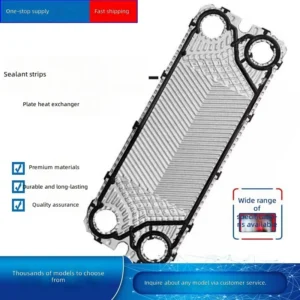 Machinery cooling
Heat Exchangers364
Seawater-cooled circuits taking heat out of the space rather than into the air.
Machinery cooling
Heat Exchangers364
Seawater-cooled circuits taking heat out of the space rather than into the air.
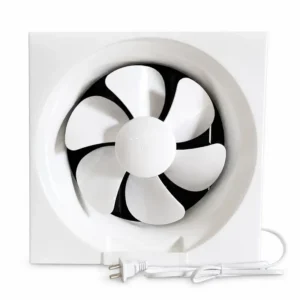 Bilge & void spaces
Exhaust Fans1,012
Purging enclosed spaces where fumes accumulate — a safety duty in its own right.
Bilge & void spaces
Exhaust Fans1,012
Purging enclosed spaces where fumes accumulate — a safety duty in its own right.
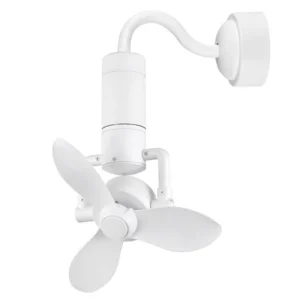 Spares aboard
Ventilation Fan Parts554
Impellers, motors and mounts carried aboard; replacement at sea is otherwise impossible.
Spares aboard
Ventilation Fan Parts554
Impellers, motors and mounts carried aboard; replacement at sea is otherwise impossible.
What to check before you order
- Corrosion Resistant 2,232
- Salt air drawn through the fan continuously for the vessel’s life.
- High Temperature 2,144
- Extract air from a machinery space runs well above ambient.
- IP55 / IP68 3,348
- Spray, washdown and damp machinery space conditions.
- Industrial Grade 12,410
- Continuous duty with very poor access for maintenance.
- 380V 15,604
- Vessel three-phase supply for main ventilation sets.
Products for this application
-

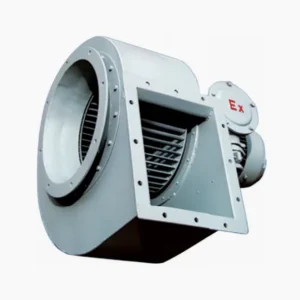
- Power Source Electric
- Material plastic
-
View & Inquire
-
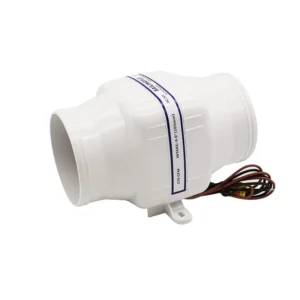
- 270CFM
- Power Electric
-
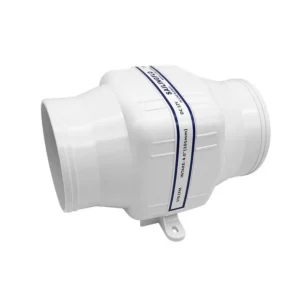
- 270CFM
- Power Electric
-

- Blade Material Plastic
- 3000RPM
-
View & Inquire
-

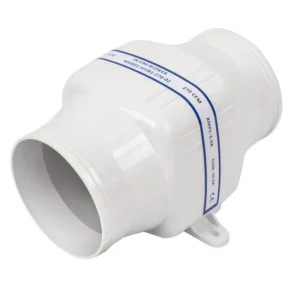
- 12V DC
- Power Source Electric
- Blade Material Plastic
-
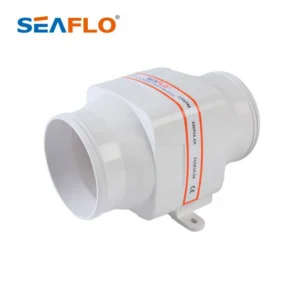
- 12 V
- Blade Material Plastic
-

- 120 V
- 200mm-2000mm
- Power Source Electric
-

- 12V DC 24V DC
- 45*31*35cm
-
View & Inquire

-
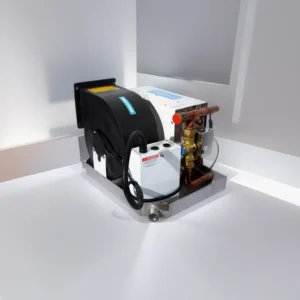
- 36000BTU
- 220V 60HZ
Questions buyers ask
How is engine room ventilation sized?
What are the symptoms of an underventilated engine room?
Should a machinery space be positive or negative pressure?
Related applications
Tell us about your engine room & machinery space ventilation project
Send the duty and site conditions and we will come back with matched equipment, price and lead time from the manufacturers listed here — usually within one working day.