
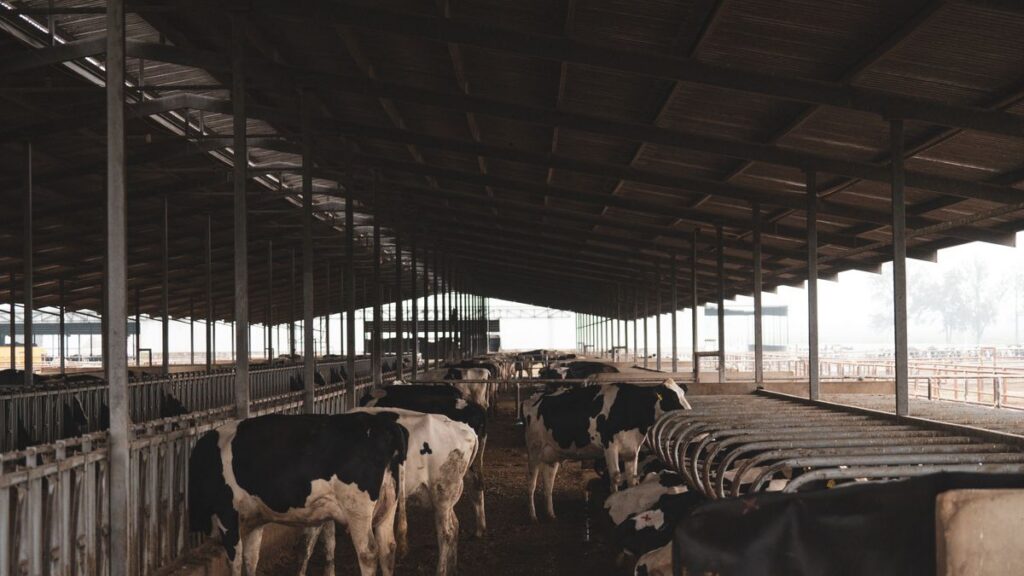
Heat stress cuts milk yield before it ever looks like a welfare problem — which makes cooling in a dairy barn one of the few ventilation investments with a directly measurable return.
- 9,634products across this application
- 1,435verified manufacturers
- 5equipment groups
WhatCooling a large animal that makes its own heat
A high-producing dairy cow generates a great deal of metabolic heat, and her comfort zone tops out far lower than most people expect — heat stress begins around 22 °C once humidity is factored in. Barn ventilation therefore runs for cooling far more of the year than for air quality, using air velocity over the animals and, in hot climates, evaporative cooling or direct soaking.
WhoWho buys it
Dairy farms of all scales, freestall barn builders, milking parlour equipment suppliers, and agricultural contractors retrofitting cooling into existing naturally ventilated barns.
WhyWhy it pays back measurably
Unlike most agricultural ventilation, the return here is directly visible in the bulk tank. Heat-stressed cows eat less, produce less milk, show reduced conception rates and higher somatic cell counts. Because the loss is measured daily in litres, cooling equipment in a dairy barn has one of the clearest payback calculations in the whole of agricultural ventilation — which also means underspecifying it is expensive in a way the farmer can see.
HowWhere to put the air
Concentrate cooling where cows crowd and heat up: the holding pen before milking is the single worst place for heat stress, followed by the feed line and the freestall rows. High-volume circulation fans over the stalls create the air velocity that carries heat away from the animal. In dry climates add evaporative cooling at the inlet; in humid climates soakers combined with air movement work where evaporative cooling does not. Air movement is the constant — without it, wetting cows achieves very little.
Equipment this application needs
 Stall & feed line circulation
Axial Flow Fans6,332
High-volume air movement over the cows — the core of any cooling strategy.
Stall & feed line circulation
Axial Flow Fans6,332
High-volume air movement over the cows — the core of any cooling strategy.
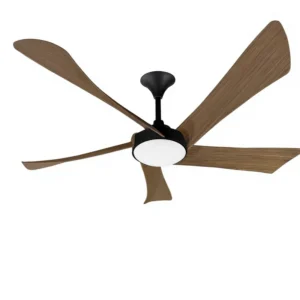 Large-diameter mixing
Ceiling Fans576
Low-speed high-volume units covering wide freestall areas quietly.
Large-diameter mixing
Ceiling Fans576
Low-speed high-volume units covering wide freestall areas quietly.
 Evaporative cooling
Air Coolers659
Effective in dry climates; of limited use where humidity is already high.
Evaporative cooling
Air Coolers659
Effective in dry climates; of limited use where humidity is already high.
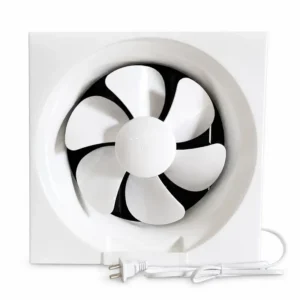 Winter air quality
Exhaust Fans1,012
Moisture and ammonia removal when the barn is closed up.
Winter air quality
Exhaust Fans1,012
Moisture and ammonia removal when the barn is closed up.
 Holding pen & parlour
Industrial Fans1,055
The holding pen is where heat stress is worst — crowded cows, no shade, waiting to be milked.
Holding pen & parlour
Industrial Fans1,055
The holding pen is where heat stress is worst — crowded cows, no shade, waiting to be milked.
What to check before you order
- Corrosion Resistant 2,232
- Manure gases and constant damp; parlours are washed down daily.
- IP55 / IP68 3,348
- Sealed against washdown and soaker spray.
- Industrial Grade 12,410
- Continuous seasonal running with minimal maintenance.
- Low Noise 4,912
- Noise in the parlour and holding pen affects cow flow and milk letdown.
- Energy Saving 5,353
- These run for months at a time through the cooling season.
Products for this application
-
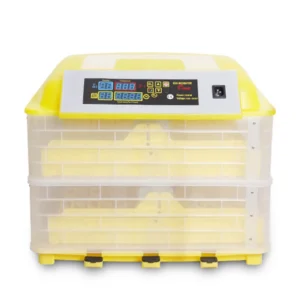
- 12 Chicken eggs
- 32.5*21*12.5CM
- Material ABS
-
- 12v
- Material PP
-

- 380V-480V
- 66000 m3/h
- Power Source Electric
-

- 380V
-
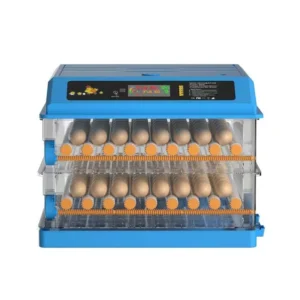
- 128 chicken eggs
- Material ABS
-

- 110V/220V
- 2000 chicken eggs
- Material PE
-
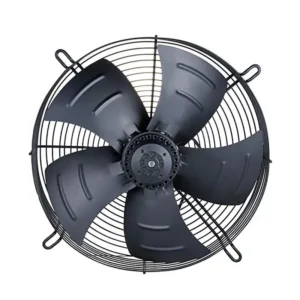
- 220V/380V
- Power Source Electric
- Blade Material metal
-

- Blade Material ss430
-

- Power Source Electric
-

- 220v/110v
- 30pcs Chicken Eggs
- Material PP
-

- 220V/380V/400V/Oth
- Power Source Electric
- Stainless Steel
-

- 380V-480V
- Power Source Electric
- Blade Material Alloy
Questions buyers ask
At what temperature do dairy cows start losing production?
Where should cooling be concentrated in a dairy barn?
Do soakers work better than evaporative cooling?
Related applications
Tell us about your dairy barn ventilation & cow cooling project
Send the duty and site conditions and we will come back with matched equipment, price and lead time from the manufacturers listed here — usually within one working day.