
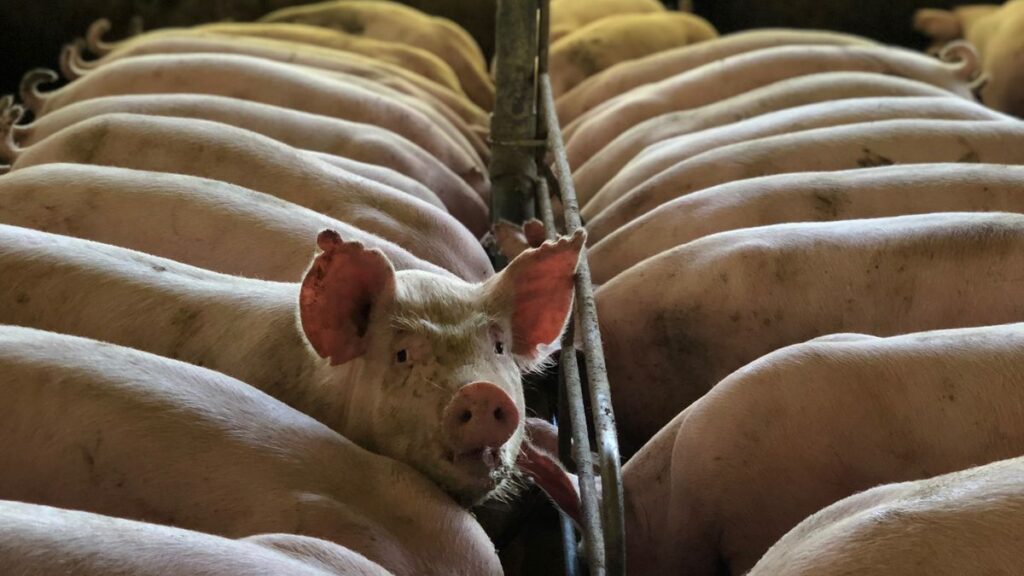
Ventilation for animals that cannot sweat, in buildings sitting over slurry pits that release hydrogen sulphide as well as ammonia — a harsher gas environment than any poultry house.
- 9,418products across this application
- 1,704verified manufacturers
- 5equipment groups
WhatDifferent rooms, different targets
A swine operation is several climates under one roof. Farrowing rooms need a compromise: around 20 °C for the sow with a heated creep area near 30 °C for the piglets. Nursery rooms run warm and drop as pigs grow. Finishing barns need the most cooling, because pigs at market weight generate substantial heat and cannot sweat to shed it.
WhoWho buys it
Integrated pork producers, independent finishing operations, farrow-to-wean units, and the barn construction and retrofit contractors serving them.
WhyWhy the pit changes everything
Most swine barns sit over a slurry pit, and that pit releases hydrogen sulphide as well as ammonia — a gas that is both corrosive and acutely dangerous when agitation releases it in quantity. Pit ventilation therefore runs continuously and is not simply part of the room extract. Equipment mounted in or near the pit airstream faces the most aggressive environment in agricultural ventilation.
HowTwo extract paths and zoned heat
Design pit extract and room extract as separate paths, with pit ventilation running continuously to keep gases moving away from the animal space. Size room ventilation by growth stage rather than by building volume. Provide zoned heating rather than heating whole rooms — a heated creep mat lets the room run at the sow’s temperature while piglets get theirs. And specify materials for hydrogen sulphide, not merely for ammonia: it is the more aggressive of the two.
Equipment this application needs
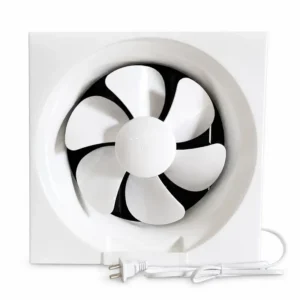 Pit & room extract
Exhaust Fans1,012
Continuous pit ventilation plus staged room extract, on separate paths.
Pit & room extract
Exhaust Fans1,012
Continuous pit ventilation plus staged room extract, on separate paths.
 Tunnel cooling
Axial Flow Fans6,332
Finishing barns in hot weather — pigs cannot sweat, so air velocity does the work.
Tunnel cooling
Axial Flow Fans6,332
Finishing barns in hot weather — pigs cannot sweat, so air velocity does the work.
 Evaporative inlet cooling
Air Coolers659
Extends the usable range in dry climates before heat stress cuts feed intake.
Evaporative inlet cooling
Air Coolers659
Extends the usable range in dry climates before heat stress cuts feed intake.
 Zone & creep heating
Industrial Heating Equipment861
Heating the piglet zone rather than the whole room is both better for the sow and far cheaper.
Zone & creep heating
Industrial Heating Equipment861
Heating the piglet zone rather than the whole room is both better for the sow and far cheaper.
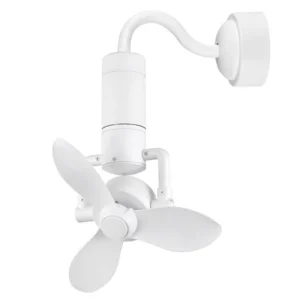 Corrosion-exposed spares
Ventilation Fan Parts554
Shutters, motors and bearings in pit airstreams are consumables here.
Corrosion-exposed spares
Ventilation Fan Parts554
Shutters, motors and bearings in pit airstreams are consumables here.
What to check before you order
- Corrosion Resistant 2,232
- Hydrogen sulphide as well as ammonia — materially more aggressive than a poultry house.
- IP55 / IP68 3,348
- Sealed against washdown and the damp pit environment.
- Industrial Grade 12,410
- Continuous duty in the worst gas environment in livestock housing.
- Variable Speed 2,411
- Stage ventilation smoothly across growth phases rather than cycling.
- 380V 15,604
- Three-phase for barn-scale fan banks.
Products for this application
-

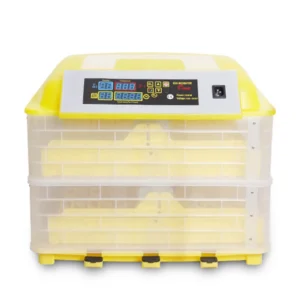
- 12 Chicken eggs
- 32.5*21*12.5CM
- Material ABS
-
- 12v
- Material PP
-

- 380V-480V
- 66000 m3/h
- Power Source Electric
-

- 380V
-
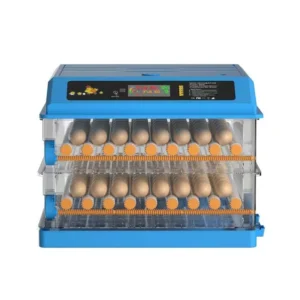
- 128 chicken eggs
- Material ABS
-

- 110V/220V
- 2000 chicken eggs
- Material PE
-
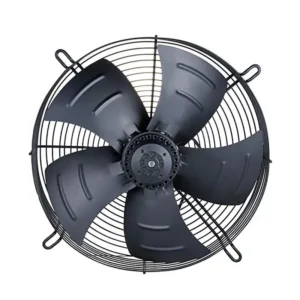
- 220V/380V
- Power Source Electric
- Blade Material metal
-

- Blade Material ss430
-

- Power Source Electric
-

- 220v/110v
- 30pcs Chicken Eggs
- Material PP
-

- 220V/380V/400V/Oth
- Power Source Electric
- Stainless Steel
-

- 380V-480V
- Power Source Electric
- Blade Material Alloy
Questions buyers ask
Why does a swine barn need separate pit ventilation?
What temperature should a farrowing room be?
Why do finishing pigs need so much cooling?
Related applications
Tell us about your swine barn ventilation project
Send the duty and site conditions and we will come back with matched equipment, price and lead time from the manufacturers listed here — usually within one working day.