
Extraction and supply air for spray finishing, where the airstream carries solvent vapour and overspray — and where explosion-protected construction is a legal requirement, not an upgrade.
- 2,606products across this application
- 836verified manufacturers
- 5equipment groups
WhatA booth is an airflow design, not a box
A spray booth works by moving air past the operator and the workpiece fast enough to carry overspray and solvent vapour away before either can accumulate. Downdraught, semi-downdraught and crossdraught layouts differ in where the air enters and leaves, but all of them are specified on face velocity through the working opening rather than on the volume of the enclosure.
WhoWho buys it
Vehicle refinishing shops, furniture and joinery finishers, metal fabrication and powder-coating lines, aerospace and rail maintenance facilities, and the booth manufacturers and installers who build for them.
WhyWhy the atmosphere classification comes first
Solvent vapour inside a booth forms an explosive atmosphere, so the extract fan sits in a classified zone. That is not satisfied by an “explosion-proof motor” alone: the impeller and housing must be non-sparking, the bearings protected, and the whole assembly certified for the zone it sits in. Fitting a standard fan to a solvent extract duct is the single most dangerous mistake in this scenario, and it is also the most common.
HowBalancing extract against supply
Set the required face velocity across the booth opening — this is normally fixed by the regulations applying to you. Multiply by the opening area to get the extract volume, then size the fan against the real system resistance: filters at both intake and exhaust, plus the discharge stack, add substantial static pressure and their resistance rises as they load. Supply air must be filtered, tempered and matched to extract, or the booth pulls dirty workshop air in through every gap and ruins the finish.
Equipment this application needs
 Extract fans
Centrifugal Fans813
Backward-curved impellers hold volume as filters load; explosion-protected construction where a classified zone applies.
Extract fans
Centrifugal Fans813
Backward-curved impellers hold volume as filters load; explosion-protected construction where a classified zone applies.
 Supply air
Axial Flow Fans752
High volume at low resistance for the filtered make-up air the booth needs.
Supply air
Axial Flow Fans752
High volume at low resistance for the filtered make-up air the booth needs.
 Air tempering & recovery
Heat Exchangers364
Heating make-up air to a workable spray temperature is the dominant running cost — recovery pays back quickly.
Air tempering & recovery
Heat Exchangers364
Heating make-up air to a workable spray temperature is the dominant running cost — recovery pays back quickly.
 Process & drying air
Blowers416
Curing and blow-off duties around the finishing line.
Process & drying air
Blowers416
Curing and blow-off duties around the finishing line.
 Spares & drives
Ventilation Fan Parts261
Belts, pulleys and motors — booth fans run every production hour and wear predictably.
Spares & drives
Ventilation Fan Parts261
Belts, pulleys and motors — booth fans run every production hour and wear predictably.
What to check before you order
- Explosion Proof 252
- Mandatory in the classified zone. Covers impeller and housing materials, not just the motor.
- Corrosion Resistant 266
- Solvents and paint residue attack standard coatings.
- Variable Speed 129
- Lets extract follow spray and flash-off cycles instead of running flat out all shift.
- Industrial Grade 1,636
- Continuous production duty with serviceable bearings.
- 380V 2,141
- Three-phase supply for booth-scale fan sets.
Products for this application
-
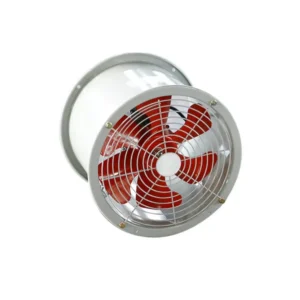
- 220 V
- Power Source Electric
- Carbon Steel
-
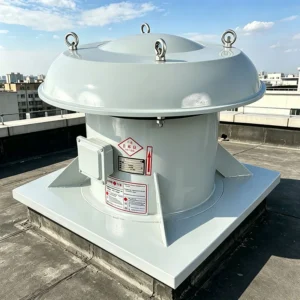
- 220V
- Power Source Electric
- Material Fiberglass
-
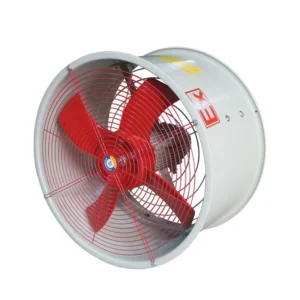
- 220V
- Power Source Electric
- Cast Iron
-
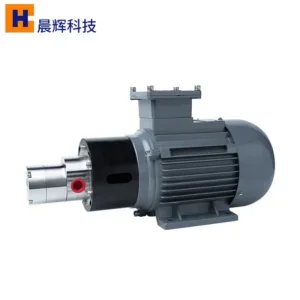
- AC220V/380V
- Power Source Electric
- Stainless Steel
-
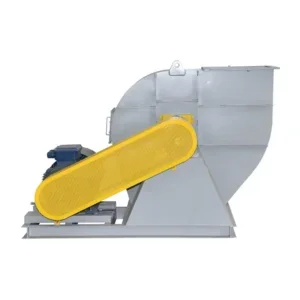
- 380V/50Hz
- Size Range 3.2-30dm
- Stainless steel
-
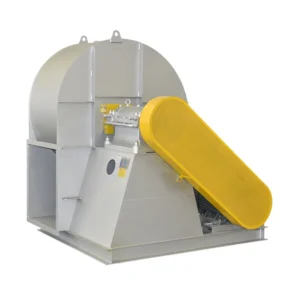
- 380V/50Hz
- 2.8-22 mm
- Stainless steel
-
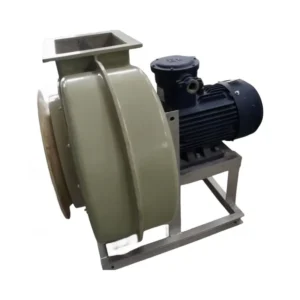
- 400 V
- 2300~12000m³/h
- Blade Material FRP
-
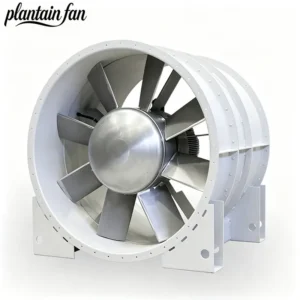
- 380 V
- 280mm-2000mm
- Power Source Electric
-
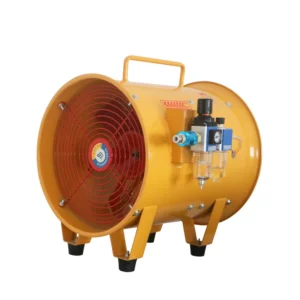
- 2880~5720m³/h
- 65dB (a)
-
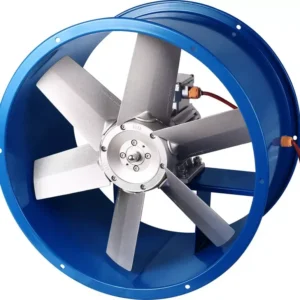
Steel Fan, 380V, 1000mm, Axial
$110.00- Power Source Electric
- Aluminum Alloy
-
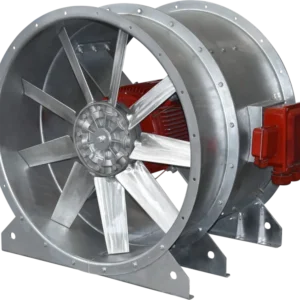
- 380V/50Hz
- 5000-94561 m³/h
- Size Range 5.6-10dm
-
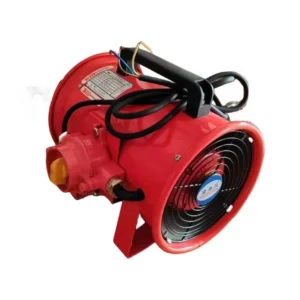
- 220V/50HZ
- 200mm
- 230W
Questions buyers ask
Does a paint booth fan have to be explosion-proof?
How much extract air does a spray booth need?
Why does the booth need supply air as well as extract?
Related applications
Tell us about your paint booth & spray finishing ventilation project
Send the duty and site conditions and we will come back with matched equipment, price and lead time from the manufacturers listed here — usually within one working day.