
A permanently evaporating water surface inside a heated building — where the real risk is not comfort but the moisture getting into the structure and destroying it from within.
- 1,495products across this application
- 590verified manufacturers
- 5equipment groups
WhatContinuous evaporation, continuously removed
An indoor pool evaporates water into the hall around the clock. That moisture has to be removed at the rate it is produced, by dehumidification, by ventilation with drier outside air, or by a combination. Pool halls run warm — air temperature is normally held a degree or two above water temperature specifically to slow evaporation.
WhoWho buys it
Hotels and resorts with indoor pools, leisure centres, spa and wellness facilities, school and community pools, and the specialist contractors who design pool environments.
WhyWhy the building is what is at risk
Comfort complaints are the visible symptom; structural damage is the real consequence. Moist air that reaches cold surfaces or penetrates the building fabric condenses inside the structure, and the chlorinated atmosphere makes that condensate aggressive. Corroded fixings, saturated insulation and failed roof structures in pool halls are a well-known and very expensive failure mode — and by the time it is visible the damage has been accumulating for years.
HowControlling moisture and pressure together
Size on the evaporation rate, which follows water temperature, air temperature, humidity and how much the surface is agitated — a leisure pool with features evaporates far more than a still lap pool of the same area. Hold the hall slightly negative relative to adjoining spaces so moist air never migrates into corridors, changing rooms or the hotel beyond. Specify every component in the airstream for a chlorinated atmosphere, including fasteners. And design recovery in: the extract stream is warm and continuous, and pool halls have a large permanent heat demand to feed it back into.
Equipment this application needs
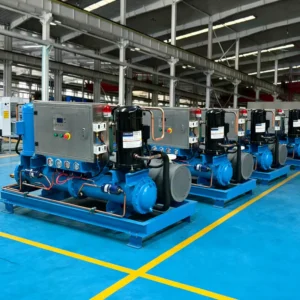 Dehumidification plant
Chilling Equipment88
Sized on evaporation rate, with the reheat that dehumidification inherently needs.
Dehumidification plant
Chilling Equipment88
Sized on evaporation rate, with the reheat that dehumidification inherently needs.
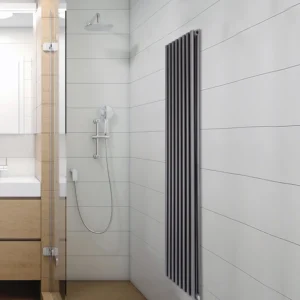 Pool hall air handling
Centrifugal Fans813
Corrosion-protected throughout — a chlorinated airstream attacks standard components.
Pool hall air handling
Centrifugal Fans813
Corrosion-protected throughout — a chlorinated airstream attacks standard components.
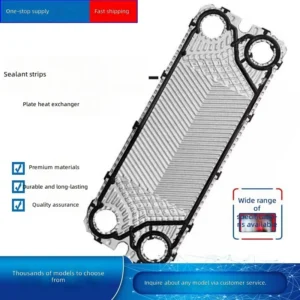 Heat recovery
Heat Exchangers364
Warm continuous extract feeding a large permanent heat demand — recovery is essential, not optional.
Heat recovery
Heat Exchangers364
Warm continuous extract feeding a large permanent heat demand — recovery is essential, not optional.
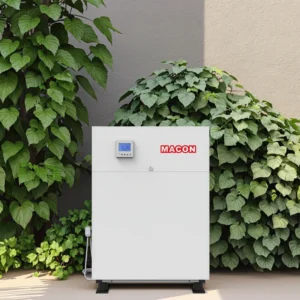 Pool water heating
Heat Pumps96
Heating the pool itself, often recovering from the dehumidification circuit.
Pool water heating
Heat Pumps96
Heating the pool itself, often recovering from the dehumidification circuit.
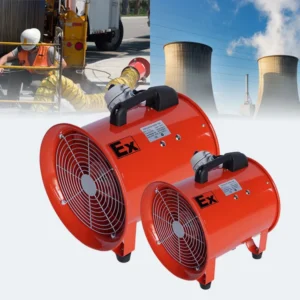 Purge & changing rooms
Exhaust Fans134
Adjacent wet areas need their own extract or they become the condensation problem instead.
Purge & changing rooms
Exhaust Fans134
Adjacent wet areas need their own extract or they become the condensation problem instead.
What to check before you order
- Corrosion Resistant 266
- Chlorinated humid air. Extends to fasteners and hangers, not just the main components.
- Stainless Steel 2,107
- Grade 316 in the pool hall atmosphere; 304 is not sufficient here.
- Heat Recovery 94
- The single largest lever on running cost in a pool hall.
- Variable Speed 129
- Evaporation varies with bather load and cover use; fixed-speed over-ventilates and wastes heat.
- Low Noise 699
- Hotel pool halls sit close to guest areas.
Products for this application
-
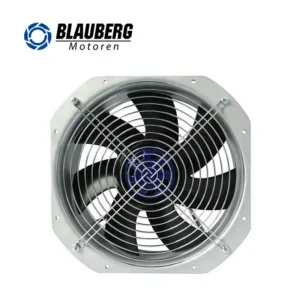
- 230 V
- Power Source Electric
- Stainless Steel
-
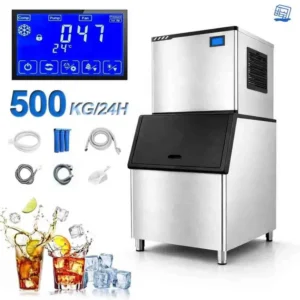
- 220 V
- 24 Hours
- 1760W
-
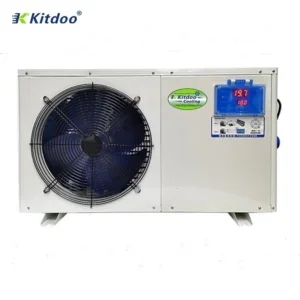
- 220 V
- R22/R410/R404A
-
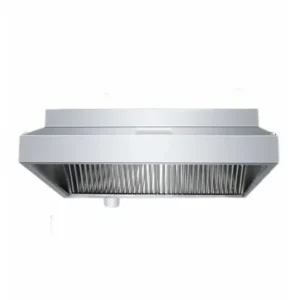
- AC 220V~240V
- Customized Size
- Power Source Electric
-
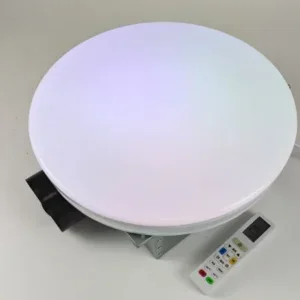
- 9 inch
- Power Source ac
- Material pp
-
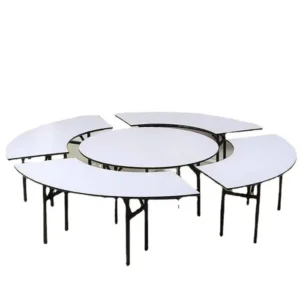
- Material Wood
-
- 9 inch
- Power Source ac
- Material pp
-
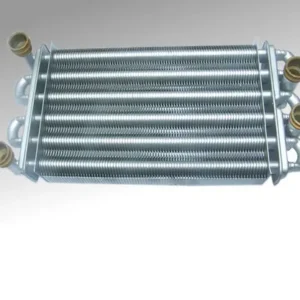
- Material Brass
-
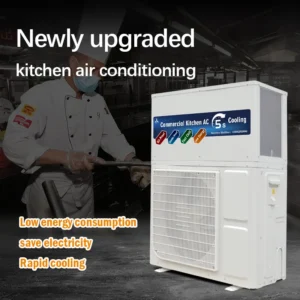
- 10001-12000 BTU
- Power Type AC
- R410A
-
- 800-1600W
-
- 800-1600W
-
- Power source Electric
- Material Cotton
Questions buyers ask
Why is pool air kept warmer than the water?
What happens if pool humidity is not controlled?
Should a pool hall be positive or negative pressure?
Related applications
Tell us about your indoor pool dehumidification project
Send the duty and site conditions and we will come back with matched equipment, price and lead time from the manufacturers listed here — usually within one working day.