
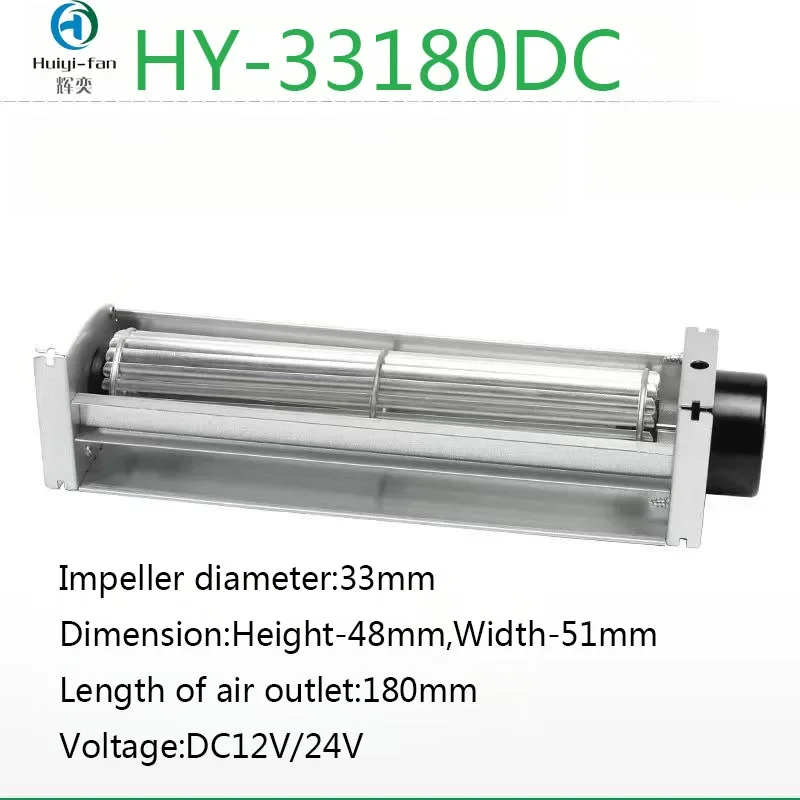
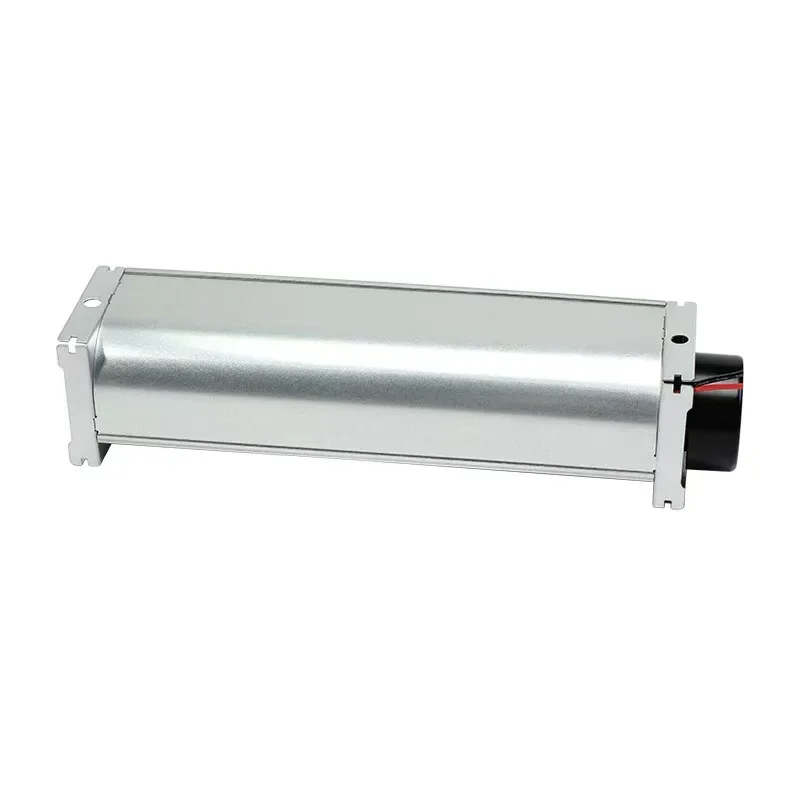
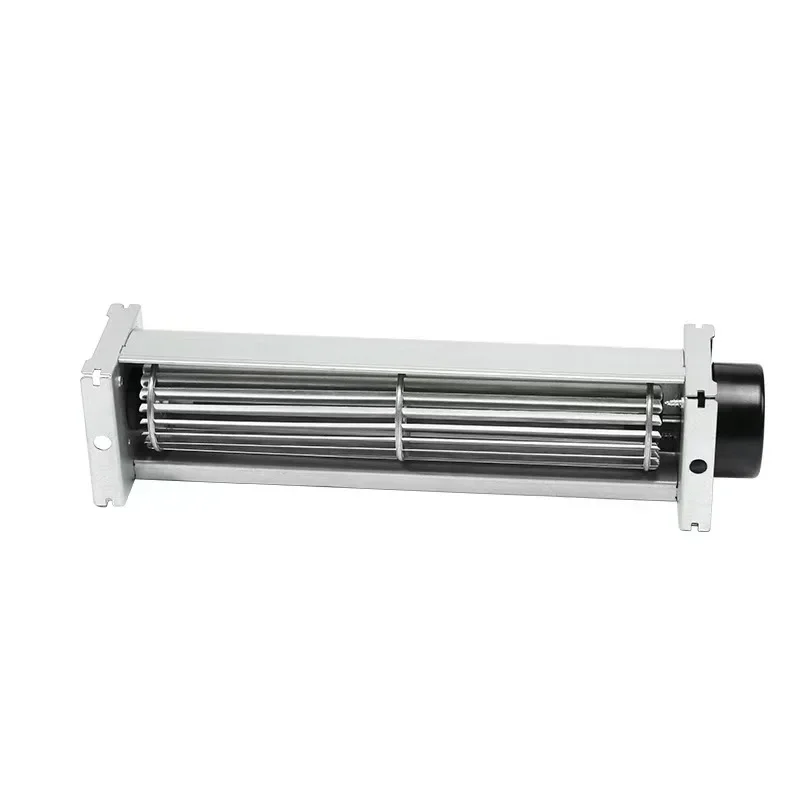
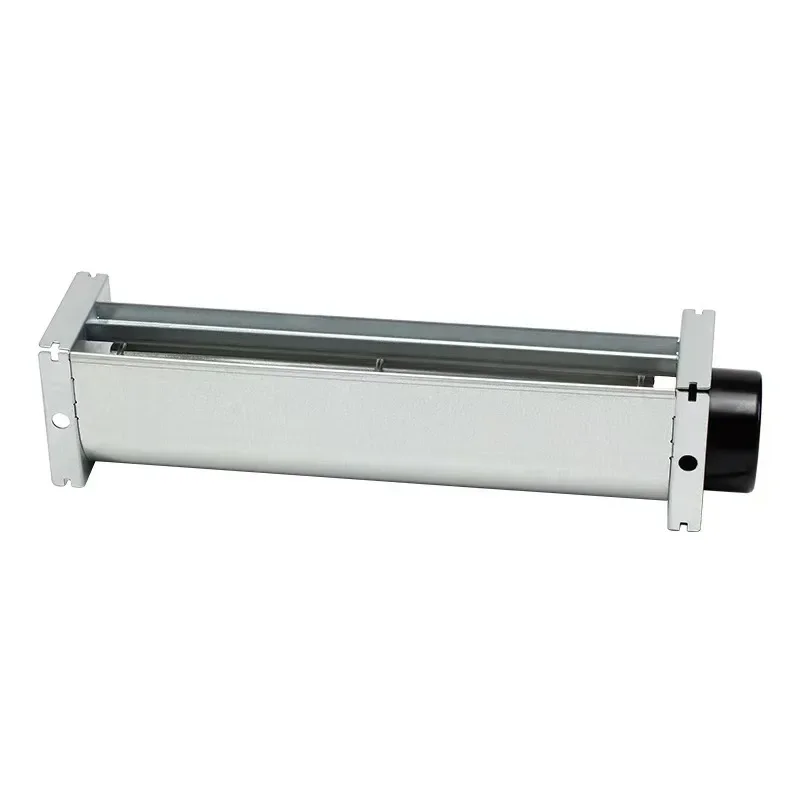
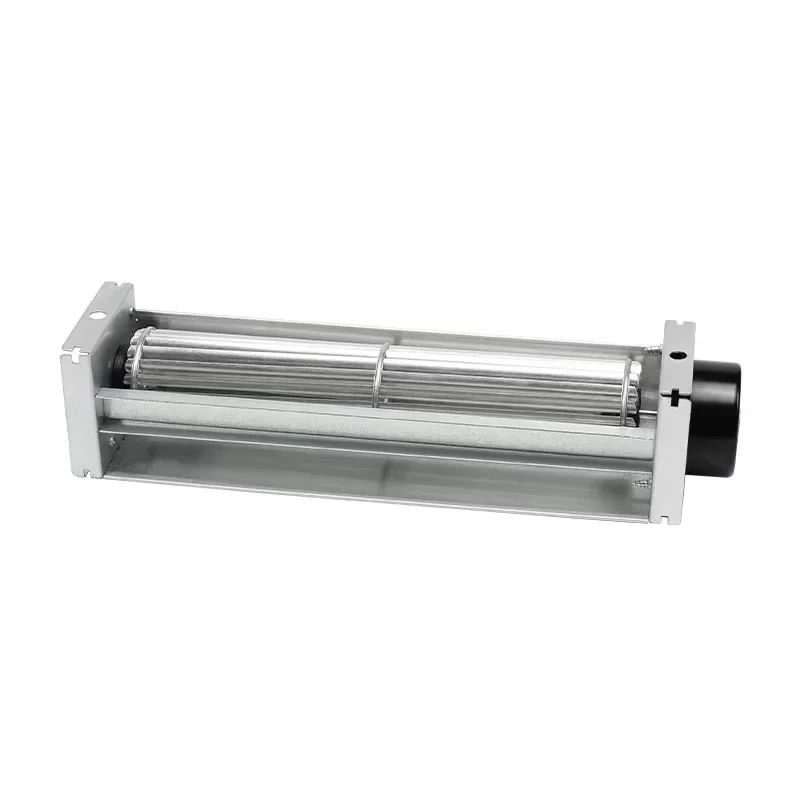
|
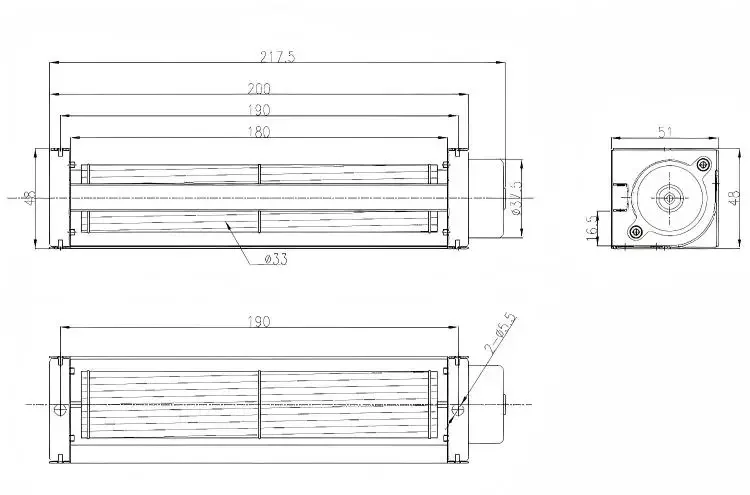
Model
|
A
Total length
|
B
Installation hole pitch
|
C
Length of air outlet
|
Voltage
V
|
Rated current
A
|
Speed
R.P.M
|
Max
Pa
|
Maximum Air flow
m³/h
|
Noise
dB
|
|
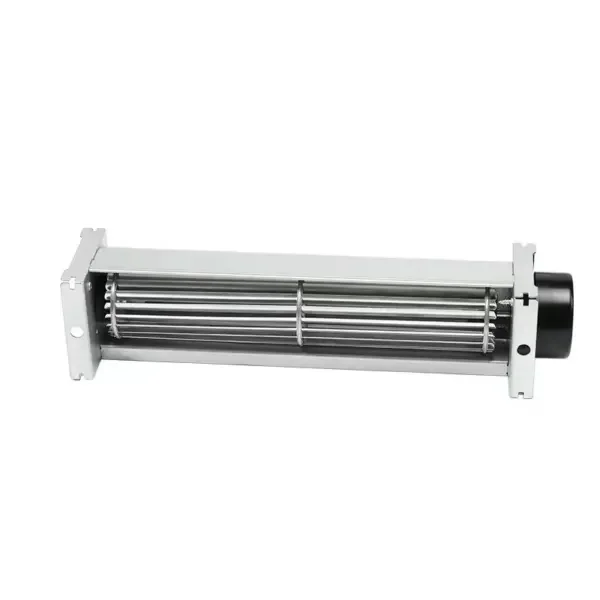
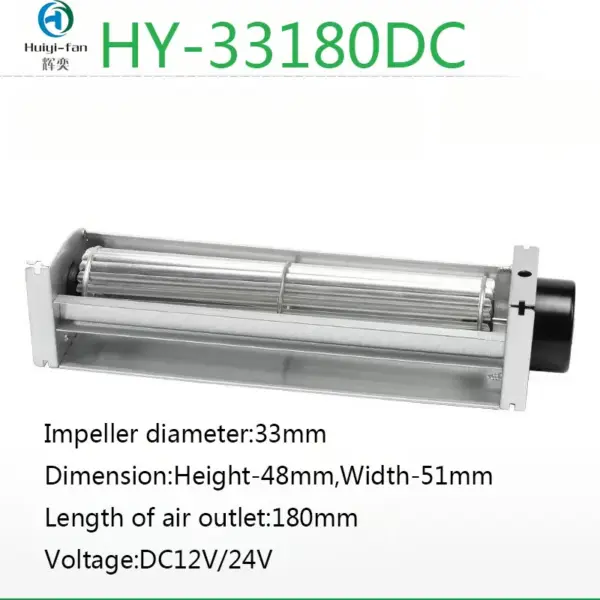
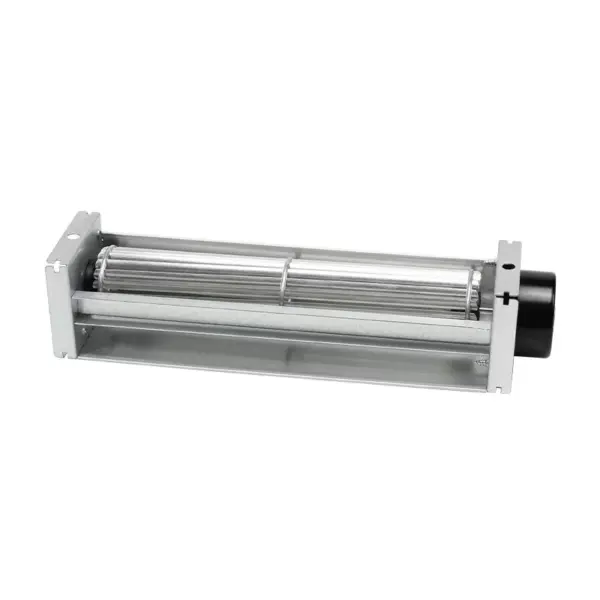
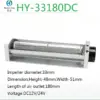
HY33180DC12V
|
217.5
|
190
|
180
|
12
|
0.24
|
3400
|
30
|
65
|
38
|
|
HY33180DC24V
|
217.5
|
190
|
180
|
24
|
0.2
|
3800
|
32
|
72
|
39
|
|
|
|
|
|
|
|
|
|
|
|



1. Buyer’s Notice
As all our products are sold simultaneously through both online and offline channels, inventory levels fluctuate rapidly and may not be updated in real time on the platform. To avoid any unnecessary inconveniences, please contact our online customer service to confirm the latest inventory status and final transaction price before placing your order.
2. After-Sales Service
All heat dissipation fans sold by our company come with a one-year warranty period. The specific repair method will be determined based on the actual condition of the product.
3. Customization Instructions
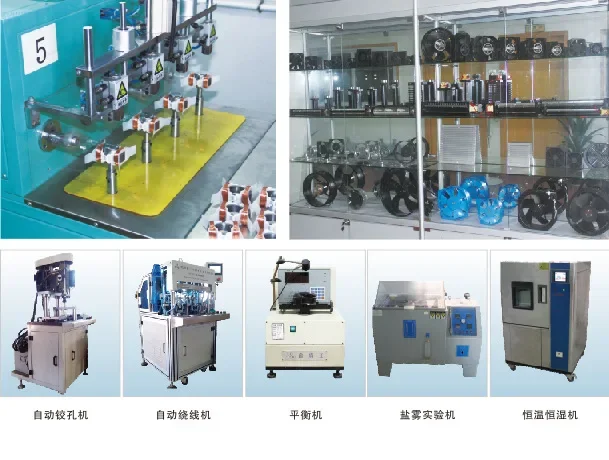
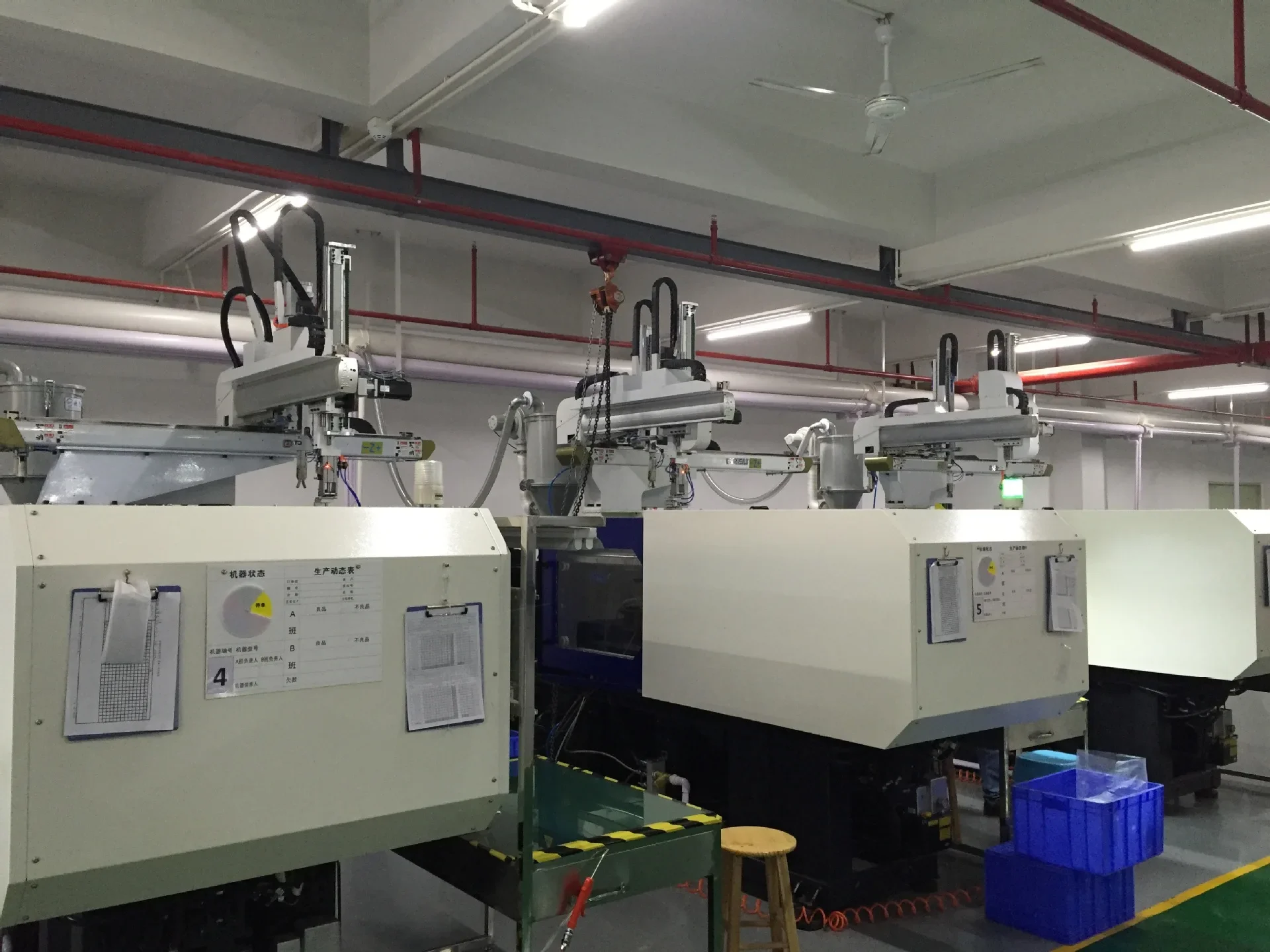
Our factory provides customization services for heat dissipation fans, with the following options available:
* You are required to provide details such as wire specifications and product structural dimensions.
* Parameters including rotation speed, air volume, noise level, and air pressure can be adjusted according to your specific
requirements.
* Label customization and OEM services are also supported.
4. Precautions for Fan Usage
1. Do not press or touch the fan blades, pull the power cord with force, or allow the power cord to wrap around the fan. These actions may damage the fan’s shaft core and power cord.
2. Prevent dust, water droplets, and small insects from entering the fan, as this can shorten its service life and cause
malfunctions.
3. Do not use the fan in environments containing flammable gases or any harmful substances.
4. Do not operate the fan in high-temperature environments exceeding 80°C (176°F). Exposure to such temperatures may cause the fan to deform and impair its performance.
5. Oil-containing fans should be used within 6 months of purchase. Prolonged storage may affect their performance due to environmental factors.
6. When the fan is running, do not lock it in a stationary state for an extended period. Continuous inactivity under operation may generate excessive heat and burn out the fan.
7. When installing the fan, pay special attention to noise caused by resonance or vibration.
8. During transportation or operation, avoid dropping the fan from a height of 60cm (23.6 inches) or more. Such an impact can disrupt the balance of the blades, especially for ball-bearing fans.
9. The torque used for tightening the fan housing screws must not exceed 4Kgf. Do not use tools such as screwdrivers or iron rods to block the fan’s rotation, as this will damage the fan.
10. Exercise caution when the fan is running at high speed, as it may cause finger injuries.
5. How to Choose the Most Suitable Fan
To select the optimal heat dissipation fan, consider the following three key factors:
① Check the Current
Under the same conditions of rotation speed, voltage, and air volume, a fan with lower current consumption is preferable. Lower current indicates less energy loss, meaning the fan is more energy-efficient.
② Evaluate the Noise Level
For fans with the same rotation speed and voltage, lower noise levels are a sign of better quality. Noise reduction is closely related to several factors:
* Fan Blade Design: Well-designed blade shapes can enhance air volume while minimizing noise, which reflects advanced
manufacturing technology and the expertise of engineers.
* Bearing Precision: Higher-precision bearings reduce friction with the shaft core and ensure more accurate dimensional matching, resulting in lower noise. This is strongly associated with the quality of the bearing material.
* Service Life Connection: Lower noise implies reduced friction, which extends the lifespan of the bearings, shaft core, and the DC fan as a whole.
③ Measure Vibration
Among fans of the same specification and rotation speed, those with smaller vibration perform better. Less vibration ensures smoother operation, reduces wear on the bearings and shaft core, and ultimately prolongs the fan’s service life.
Reviews
There are no reviews yet.