
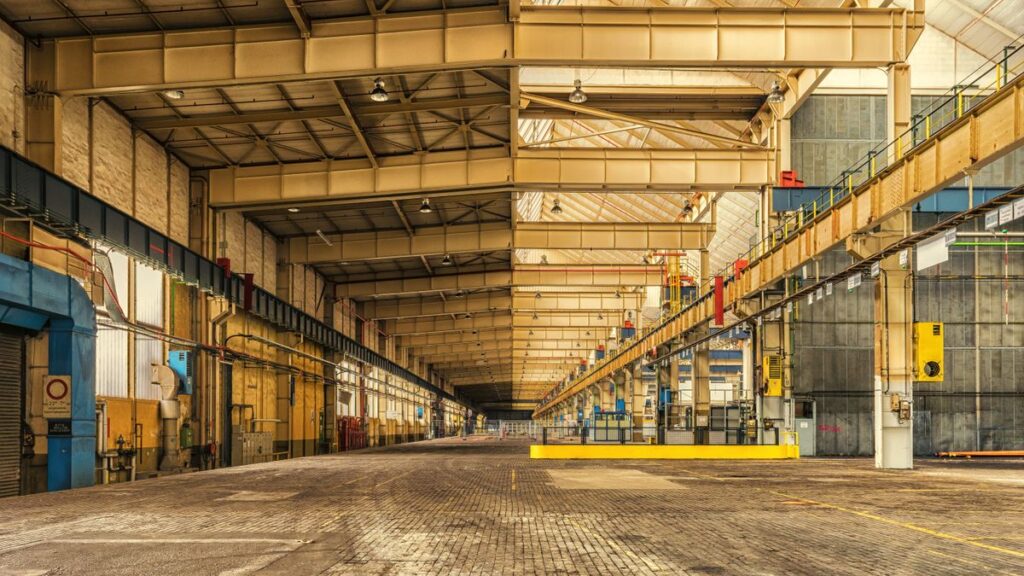
Large buildings stratify: heat collects at the roof while people work at floor level. Moving that air is usually cheaper than making more of it.
- 13,518products across this application
- 2,615verified manufacturers
- 5equipment groups
WhatThe temperature gradient nobody measures
In a high-bay building, warm air rises and stays there. A 10 m warehouse commonly runs several degrees warmer at roof level than at floor level in winter — heat that was paid for, is doing no useful work, and is increasing loss through the roof. In summer the same stratification traps a hot layer that radiates back down all afternoon.
WhoWho buys it
Logistics and distribution operators, manufacturing plants with high-bay areas, cold-chain cross-dock facilities, retail warehouses, and the facilities managers looking for savings that do not require replacing the heating plant.
WhyWhy moving air beats adding capacity
Destratification recovers heat that is already in the building rather than producing more. It also improves comfort at working level without changing the setpoint, and in summer, air movement across the skin provides a cooling sensation of several degrees at a fraction of the energy that mechanical cooling of the same volume would need. For most warehouses, mechanical cooling of the full volume is not economically defensible; air movement is.
HowSizing on coverage, not on air changes
Destratification is specified on the floor area each unit can cover and on achieving a gentle, continuous mixing flow — not on air change rate, which is a ventilation concept. Large-diameter, low-speed fans move a great deal of air quietly and are usually the right answer in high bays; smaller high-velocity units suit lower ceilings and spot duty. Keep them clear of racking that would block the column of air, and run them continuously at low speed rather than intermittently at high.
Equipment this application needs
 Destratification
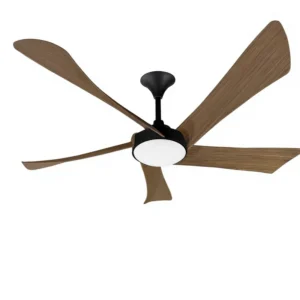
Ceiling Fans576
Large-diameter low-speed units mixing the roof layer back down to working level.
Destratification
Ceiling Fans576
Large-diameter low-speed units mixing the roof layer back down to working level.
 Spot & aisle cooling
Industrial Fans1,055
Directed air movement at picking stations, packing benches and loading docks.
Spot & aisle cooling
Industrial Fans1,055
Directed air movement at picking stations, packing benches and loading docks.
 Roof & wall extract
Axial Flow Fans6,332
Purging accumulated heat in summer and providing general air change.
Roof & wall extract
Axial Flow Fans6,332
Purging accumulated heat in summer and providing general air change.
 Dock & charging areas
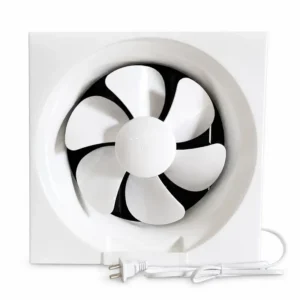
Exhaust Fans1,012
Battery charging bays and vehicle docks need dedicated extract regardless of the general system.
Dock & charging areas
Exhaust Fans1,012
Battery charging bays and vehicle docks need dedicated extract regardless of the general system.
 Space heating
Heating Equipment4,543
Warm-air and radiant heating sized after destratification, which usually reduces the requirement.
Space heating
Heating Equipment4,543
Warm-air and radiant heating sized after destratification, which usually reduces the requirement.
What to check before you order
- Industrial Grade 12,410
- Continuous operation at height where maintenance access is expensive.
- Energy Saving 5,353
- The entire business case is energy — the equipment must not consume what it recovers.
- Low Noise 4,912
- These run all day above people working; large-diameter low-speed units are quiet by design.
- Variable Speed 2,411
- Gentle continuous mixing works better than intermittent high speed.
- 380V 15,604
- Three-phase for larger installations.
Products for this application
-

- Material Steel
-

- 1000m3/h
- Noise 50dB
-
- Power Source Electric
- Material ABS
-
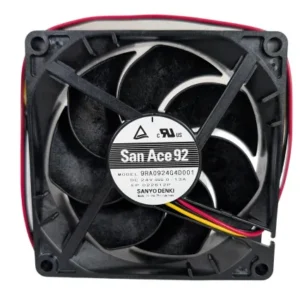
- 24v
- 92mm
- Power Source Electric
-

- 220V/380V
- Electric Blower
-

- Power Source Electric
-

- 500m³/min
- Customer's Request
-

- 220v/380v
- Carbon steel
- 1450 r/min
-
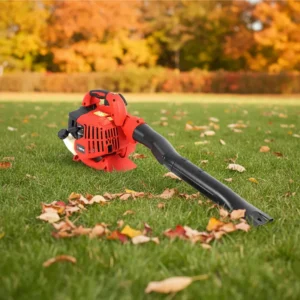
- Petrol/Gasoline
-
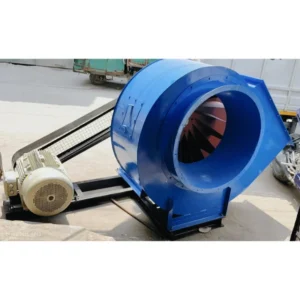
- 220V / 415V
- Electric Blower
- Material Iron
-
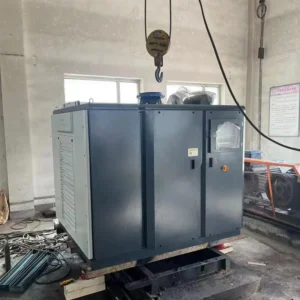
- 380 V
- 100-150m3/min
- Power Source Electric
-
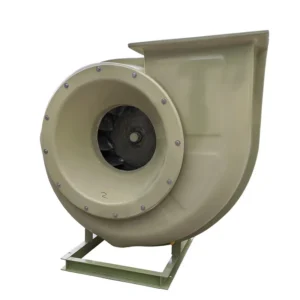
- Voltage customizable
- FRP Impeller
- 1450RPM
Questions buyers ask
How much heat is trapped at roof level in a warehouse?
Do destratification fans work in summer too?
How are these fans sized?
Related applications
Tell us about your warehouse ventilation & destratification project
Send the duty and site conditions and we will come back with matched equipment, price and lead time from the manufacturers listed here — usually within one working day.