
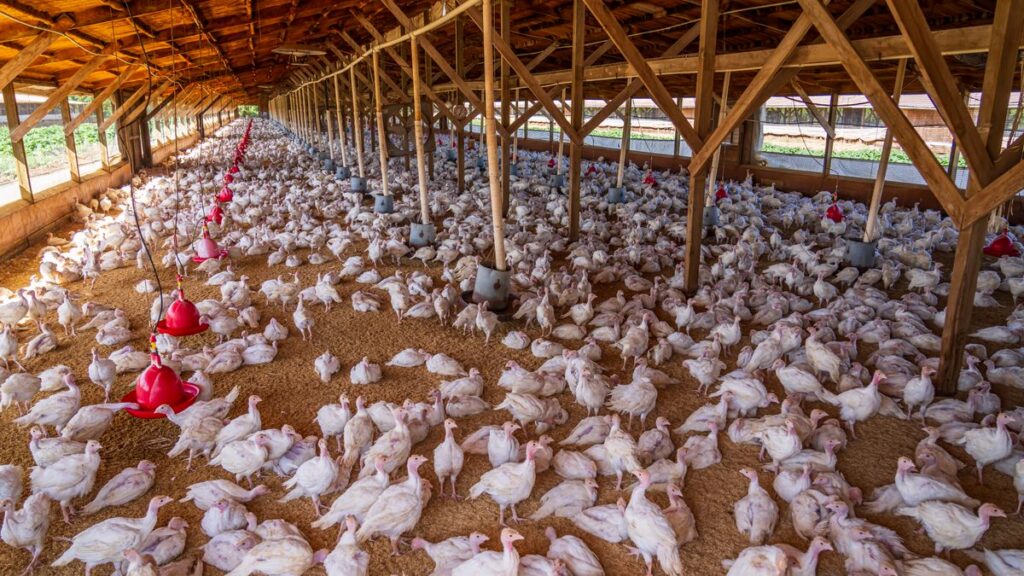
Continuous, year-round ventilation for birds that stay in the house for well over a year — where equipment reliability is measured across a whole laying cycle, not a six-week crop.
- 9,377products across this application
- 1,576verified manufacturers
- 5equipment groups
WhatA much longer, steadier duty
Layers occupy a house for 70 weeks or more at a stable body weight, so the ventilation requirement does not ramp the way a broiler crop does. Instead it runs continuously, year-round, with the added job of drying manure on belts to control ammonia. Multi-tier systems concentrate a great deal of livestock into a tall building, which makes air distribution between tiers a design problem in itself.
WhoWho buys it
Commercial egg producers, cage-free and barn conversion projects, pullet rearing operations, and the equipment integrators supplying multi-tier housing systems.
WhyWhy ammonia control dominates
Ammonia depresses feed intake and egg production, damages the birds’ respiratory tract, and makes the house unpleasant and eventually unsafe to work in. Most ammonia comes from wet manure, so the ventilation system is not only removing air — it is drying manure on the belts to stop the ammonia being produced in the first place. Getting that drying air right does more for house air quality than increasing extract rate.
HowDesigning for a long cycle
Size continuous ventilation on the flock’s moisture and heat output at the stable adult weight, then add manure-drying air as a separate duty with its own distribution. Because the house stays occupied for over a year, choose equipment that can be serviced without depopulating, keep a full set of spares on site, and specify corrosion protection on the assumption that nothing gets washed down for eighteen months.
Equipment this application needs
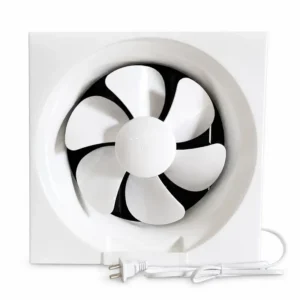 Continuous extract
Exhaust Fans1,012
Year-round running with staged control; reliability over a 70-week cycle is the selection criterion.
Continuous extract
Exhaust Fans1,012
Year-round running with staged control; reliability over a 70-week cycle is the selection criterion.
 Tunnel & hot-weather
Axial Flow Fans6,332
Peak summer capacity for houses that go to tunnel mode.
Tunnel & hot-weather
Axial Flow Fans6,332
Peak summer capacity for houses that go to tunnel mode.
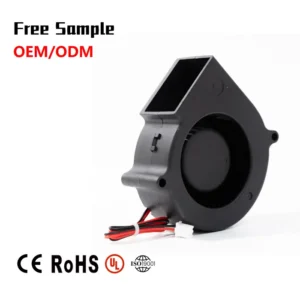 Manure belt drying air
Blowers820
Drying manure at source suppresses ammonia far more effectively than extracting it afterwards.
Manure belt drying air
Blowers820
Drying manure at source suppresses ammonia far more effectively than extracting it afterwards.
 Evaporative cooling
Air Coolers659
Inlet cooling in hot climates, where heat stress cuts lay rate before it threatens the birds.
Evaporative cooling
Air Coolers659
Inlet cooling in hot climates, where heat stress cuts lay rate before it threatens the birds.
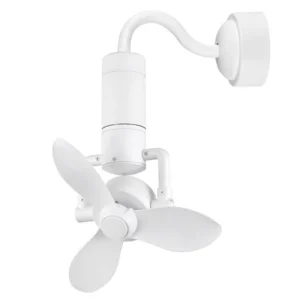 Spares held on site
Ventilation Fan Parts554
With birds in the house for over a year, waiting on a delivery is not an option.
Spares held on site
Ventilation Fan Parts554
With birds in the house for over a year, waiting on a delivery is not an option.
What to check before you order
- Corrosion Resistant 2,232
- Continuous ammonia exposure over a very long occupancy.
- Industrial Grade 12,410
- Serviceable while the house is occupied — access matters as much as durability.
- Energy Saving 5,353
- Running continuously for 70 weeks makes efficiency compound heavily.
- Variable Speed 2,411
- Staged and proportional control keeps rate matched to conditions rather than cycling.
- 380V 15,604
- Three-phase for commercial-scale houses.
Products for this application
-

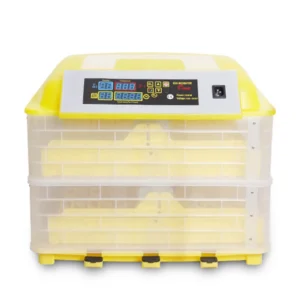
- 12 Chicken eggs
- 32.5*21*12.5CM
- Material ABS
-
- 12v
- Material PP
-

- 380V-480V
- 66000 m3/h
- Power Source Electric
-

- 380V
-
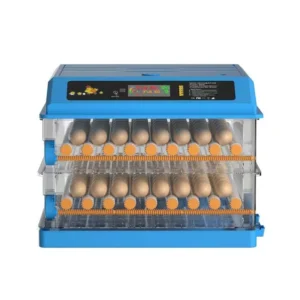
- 128 chicken eggs
- Material ABS
-

- 110V/220V
- 2000 chicken eggs
- Material PE
-
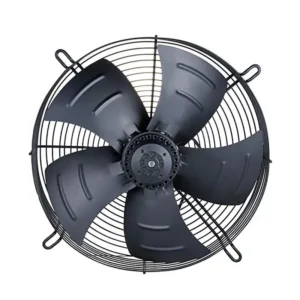
- 220V/380V
- Power Source Electric
- Blade Material metal
-

- Blade Material ss430
-

- Power Source Electric
-

- 220v/110v
- 30pcs Chicken Eggs
- Material PP
-

- 220V/380V/400V/Oth
- Power Source Electric
- Stainless Steel
-

- 380V-480V
- Power Source Electric
- Blade Material Alloy
Questions buyers ask
How does layer ventilation differ from broiler ventilation?
Why is manure drying part of the ventilation system?
Can equipment be replaced without depopulating the house?
Related applications
Tell us about your layer house ventilation project
Send the duty and site conditions and we will come back with matched equipment, price and lead time from the manufacturers listed here — usually within one working day.